
Afederal judge in San Jose has refused to throw out a Privacy Act claim brought by five Jeffrey Epstein victims, who say the Justice Department exposed their names and personal details when it released millions of pages of investigative files. U.S. Magistrate Judge Virginia K. DeMarchi ruled Tuesday, Nov. 24, that the women plausibly alleged the department put speed ahead of their privacy. The order is not a finding that the government broke the law, and it awards no damages.
The ruling, Document 81 in Jane Doe 1 v. United States, No. 5:26-cv-02624, denies the government's motion to dismiss the only claim pending against it, under the Privacy Act of 1974. The plaintiffs sue as Jane Doe 1 through Jane Doe 5 for themselves and a proposed class. Google and X.AI Corp. are also defendants, but the court said their separate motion to dismiss will be considered later.
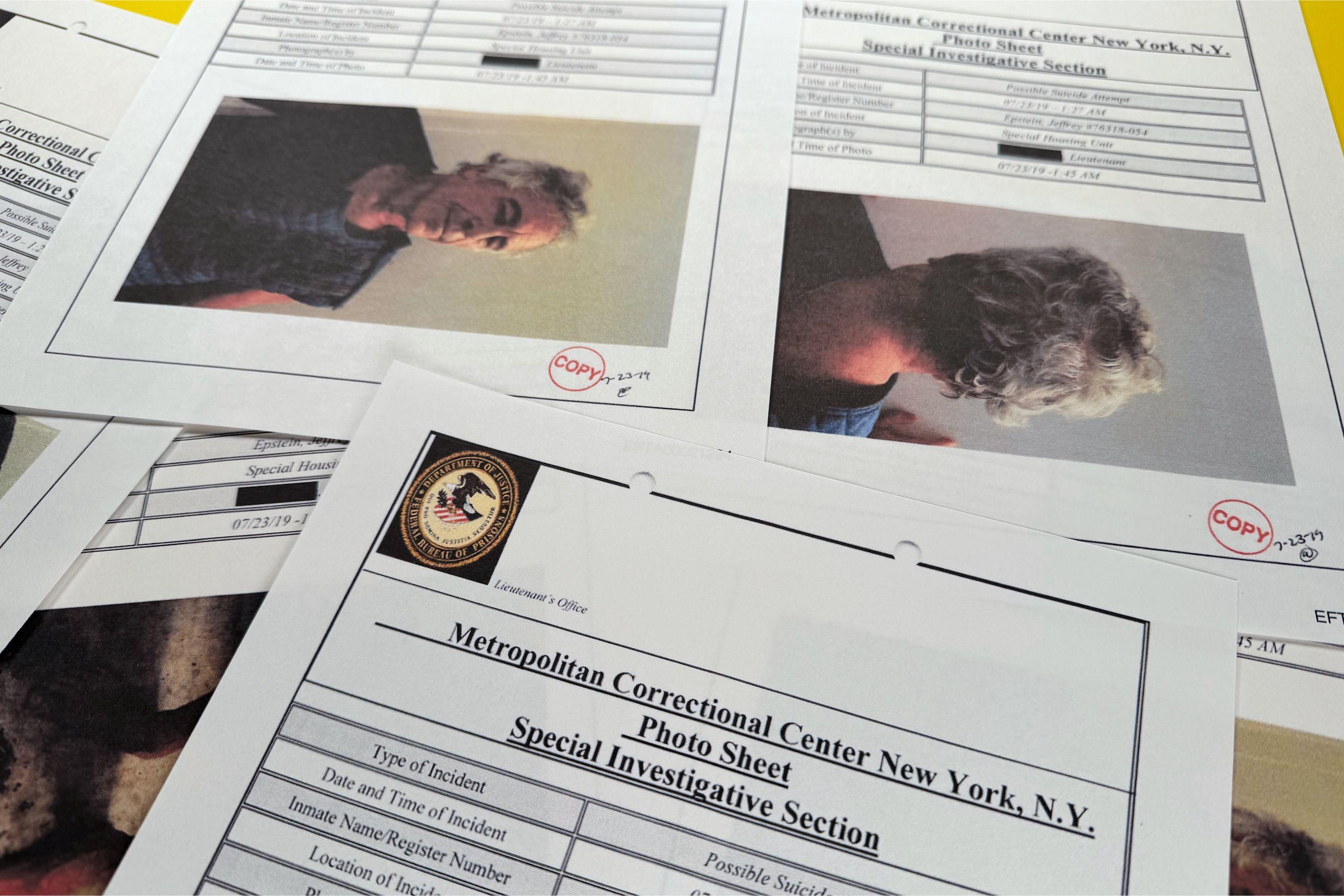
The case grows out of the Epstein Files Transparency Act, signed Nov. 19, 2025, which gave the department 30 days to release its Epstein records. The victims say about 100 of them were identified in late 2025 and early 2026. The government calls the release an enormous undertaking and concedes some mistakes.
"deliberate policy choice
— Allegation credited in Judge Virginia K. DeMarchi's Nov. 24 order
Why Willfulness Decided the Motion
Only one element of the claim was contested: whether the disclosures were willful or intentional. The other elements of a Privacy Act wrongful-disclosure claim, including improper disclosure, harm and actual damages, were not at issue on this motion.
DeMarchi described the willfulness standard as sitting just above gross negligence. She said the answer depends on the context of each disclosure, has no bright line and is often too fact-heavy to settle on the pleadings. The government argued that mere error is not enough. The court disagreed at this stage, viewing the facts in the victims' favor.
What the Victims Allege and How the Government Answered
The plaintiffs say the department chose rapid, large-volume release over protecting survivors, ignored or refused takedown requests and, in some cases, retaliated against women who had spoken publicly. The court relied most heavily on the first allegation: that the department made a conscious choice to meet its transparency deadline at the expense of its Privacy Act duties.
The government answered that Congress set an unprecedented deadline, that errors were inadvertent and that it built a website where victims could request more redactions. It also asked the court to consider a Justice Department memo and a letter to Congress from then-Deputy Attorney General Todd Blanche, and to presume federal officials did their jobs properly.
According to Courthouse News, DeMarchi declined to use those materials to resolve disputed facts at this stage. She found the allegations plausible and consistent with the government's own account of a tight deadline.
Jane Doe 1 filed the class action March 26 against the United States and Google. A June amended complaint brought in X.AI Corp., whose Grok tool the plaintiffs say also republished the information, and four more plaintiffs won permission that month to proceed under pseudonyms.
The proposed class covers survivors whose private information was disclosed without consent in unredacted records released between December 2025 and July 2026.
Google and X.AI face California privacy and negligence claims, which the Nov. 24 order does not address.
The Road Ahead: Discovery and Class Certification
A ruling on a motion to dismiss tests the complaint, not the evidence. The victims must still prove willful disclosure and actual damages. Discovery against the government is already moving after DeMarchi refused to pause it on Sept. 28, while discovery involving Google and X.AI was paused as they challenge the claims.
Case Schedule
Key dates from the court's case management order:
✓ Dec. 31, 2026: deadline to move to amend pleadings
✓ March 26, 2027: fact discovery cutoff
✓ May 28, 2027: expert discovery cutoff
✓ June 29, 2027: class certification motion due
✓ Sept. 28, 2027: class certification hearing in San Jose
The plaintiffs filed a second amended complaint on Nov. 13 under a court order.
A Defense Left Open for Later
For the Justice Department, the ruling means defending its conduct on a developed record instead of winning at the outset. The court did not decide whether its remedial steps, including the redaction-request website, defeat liability, so the government can press that argument later.
The file release drew scrutiny early. In February, lawyers for survivors reported thousands of redaction failures affecting nearly 100 people, and the department committed to scrub identities quickly.
only somewhat greater than gross negligence— Judge DeMarchi's order, on the Privacy Act's willfulness standard
As of Nov. 26, the coverage reviewed shows no Justice Department statement on the ruling. Watch for the government's answer to the claim, generally due within 14 days unless the court sets another date, and for the ruling on Google and X.AI's motion.
Sources
- U.S. District Court, N.D. Cal.: Order on motions to dismiss, Document 81, Jane Doe 1 v. United States (CourtListener)storage.courtlistener.com(opens in a new tab)
- Courthouse News Service: Epstein victims' privacy claim over file release survives government's bid to dismisscourthousenews.com(opens in a new tab)
- Civil Rights Litigation Clearinghouse: Jane Doe 1 v. United States of America, No. 5:26-cv-02624clearinghouse.net(opens in a new tab)
- Bloomberg Law: Epstein survivor sues US, Google over release of personal data, March 27, 2026news.bloomberglaw.com(opens in a new tab)
- The Spokesman-Review: Epstein files to remain online after DOJ agrees to scrub names of victims, Feb. 3, 2026spokesman.com(opens in a new tab)
- 5 U.S.C. 552a: Privacy Act of 1974 (Cornell Legal Information Institute)law.cornell.edu(opens in a new tab)