An Associated Press investigation published Nov. 24 reports that Drug Enforcement Administration agents watched a trafficking ring move at least 1.4 million counterfeit fentanyl pills through six states between August 2024 and April 2025 without seizing them. The tally is on top of the several hundred thousand pills the AP reported in June, and the DEA has not changed its position that its decisions were lawful.
The AP based its count on thousands of pages of court records, wiretap reports and 12 hours of DEA surveillance video, and it excluded deals with no stated pill total. Almost all of the pills remain unaccounted for. These are allegations from a news investigation; no court or oversight body has publicly found that any agent broke the law.
A DEA spokesperson declined detailed questions because the Justice Department’s inspector general is reviewing the matter, and said the agency’s response had not changed. The U.S. attorney’s office in New Mexico said in a statement that the department is committed to using every lawful tool to dismantle fentanyl trafficking organizations.
"Everybody wants the big fish, but the big fish isn’t guaranteed.
— Brian Besser, former DEA senior executive, to the Associated Press
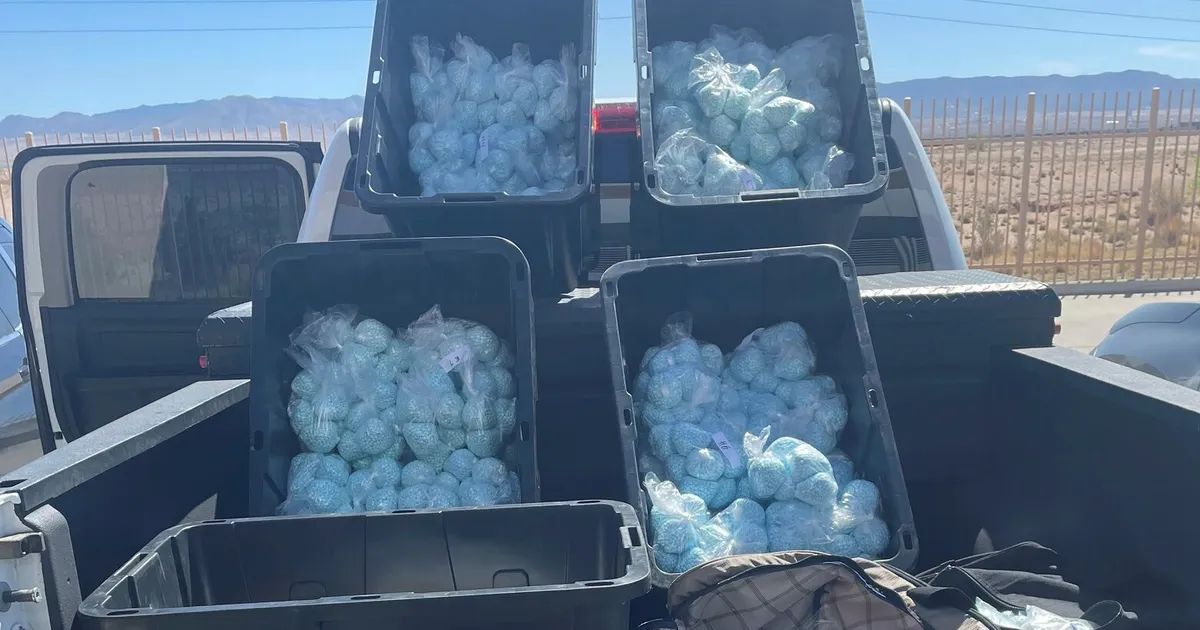
The AP points to a Sunday in August 2024 as a clear example. Agents staked out an Albuquerque hotel and watched two men leave, one carrying a backpack holding as many as 100,000 pills. They did not intervene, and eight months passed before the ring was taken down.
Other shipments followed, per the AP: 370,000 pills at an Albuquerque park, 200,000 delivered to a Santa Fe home, and a storage unit opened nearly 500 times.
Alleged ringleader Heriberto Salazar Amaya, arrested in April 2025, has pleaded not guilty. Fifteen others were charged; a dozen pleaded guilty, and a jury convicted regional manager Alex Anthony Martinez in August 2025. No Mexican suppliers have been named.
Why Agents Held Back: A 2017 Rule and Its 2024 Rewrite
Defenders of the approach say waiting can expose bigger bosses and suppliers. Fentanyl was meant to be an exception: the Justice Department told agents in 2017 to seize it whenever practicable. Officials loosened that rule in 2024, giving agents wider discretion, even after DEA Special Agent David Howell questioned the practice.
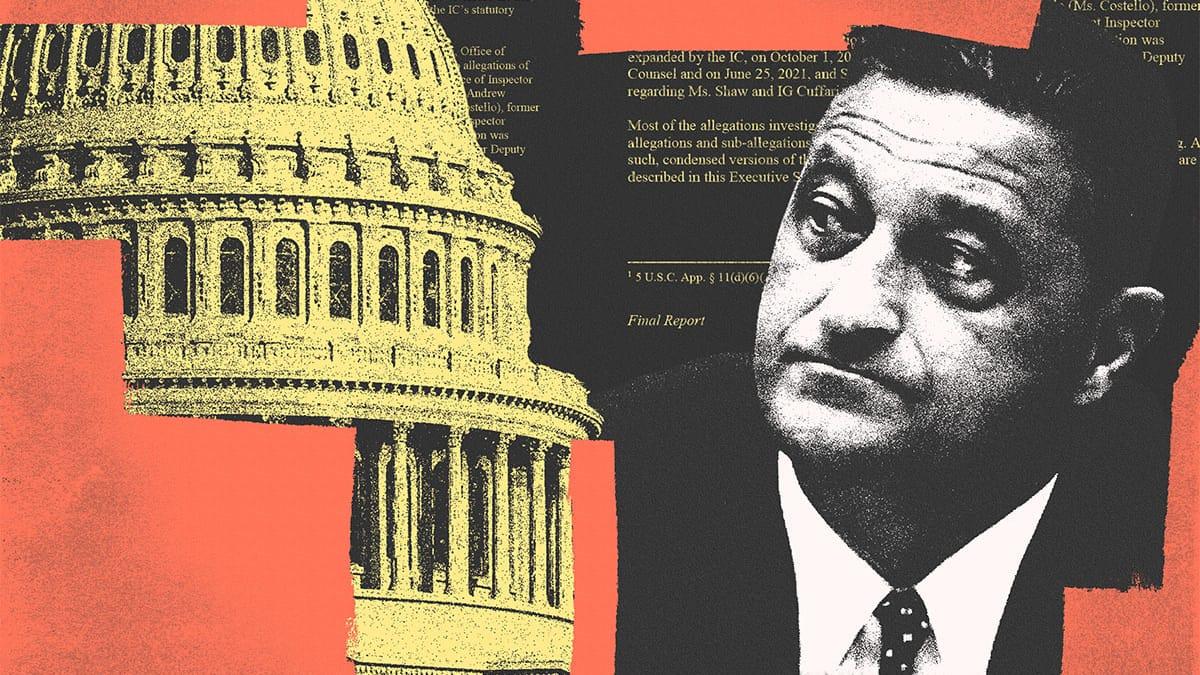
Howell, a 19-year agency veteran, saw his whistleblower complaint become public in June. The AP says the practice continued into the Trump administration, while the House Oversight Committee’s records request covers only the Biden years. In sworn testimony last year, DEA agent David Zimmerman told a federal jury that stepping in too early can ruin a big investigation.
Three Investigations and a $153 Million Claim Test the DEA’s Defense
The pressure is coming from several directions at once. Justice Department Inspector General Don Berthiaume announced a nationwide review in August covering department fentanyl policies and wiretap cases from the past two years, after DEA Administrator Terry Cole asked for a narrower inquiry into how Howell’s complaint was handled.
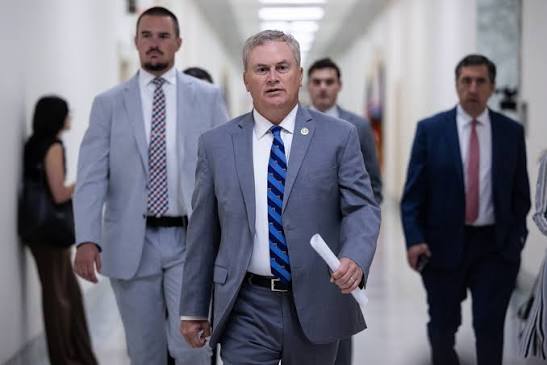
House Oversight Chairman James Comer wrote Attorney General Todd Blanche on Aug. 31 seeking records from January 2021 through January 2025. Days earlier, on Aug. 27, New Mexico Attorney General Raúl Torrez had sued the Justice Department in federal court for records tied to his own criminal investigation into whether DEA agents broke state law.
The Verified Timeline
Verified milestones as of Nov. 25, 2026:
✓ Nov. 19: Albuquerque files a $153,483,915.24 administrative claim under the Federal Tort Claims Act, not yet a lawsuit
✓ Aug. 31: House Oversight asks DOJ for Biden-era records on fentanyl tactics
✓ Aug. 27: New Mexico sues DOJ for records tied to its criminal investigation
Albuquerque’s city attorney describes the claim as notice of a possible lawsuit, and it can be treated as denied if the agency does not respond within six months.
A Disputed Link Between Unseized Pills and Overdose Deaths
Albuquerque says shipments the DEA allowed to move raised its emergency and public health costs, but proving that is the difficult part.
The AP reports that fentanyl overdose deaths in New Mexico rose 44% last year, and Gov. Michelle Lujan Grisham has accused the DEA of a cover-up. Those are claims by officials, not court findings.
It’s hard to link specific cases to the fentanyl being allowed to walk.— Joshua Boone, Albuquerque city attorney, speaking to KOAT
The next steps to watch are the inspector general’s findings, any DEA response to Albuquerque’s claim, the New Mexico records case and Salazar Amaya’s trial next year. Until then, the 1.4 million figure is the AP’s tally, and the DEA maintains its decisions were lawful.
Sources
- Associated Press (via The Philadelphia Inquirer): The DEA allowed 1.4 million fentanyl pills to go unseized in major probeinquirer.com(opens in a new tab)
- Associated Press (via WTOP): Key takeaways from AP findings that the DEA allowed 1.4 million fentanyl pills to go unseizedwtop.com(opens in a new tab)
- U.S. House Committee on Oversight and Government Reform: Chairman Comer Investigates Biden Administration’s DEA for Allowing Fentanyl to Hit U.S. Streetsoversight.house.gov(opens in a new tab)
- U.S. House Committee on Oversight and Government Reform: Letter to Attorney General Blanche (Aug. 31, 2026)oversight.house.gov(opens in a new tab)
- Associated Press (via PBS NewsHour): Justice Department watchdog to review DEA tactic that permitted deadly fentanyl to hit streetspbs.org(opens in a new tab)
- New Mexico Political Report: Torrez sues feds to obtain records of DEA operation allowing fentanyl to be distributed across New Mexiconmpoliticalreport.com(opens in a new tab)
- KOAT: Albuquerque says DEA decisions worsened fentanyl crisis, seeks $153 million for response costskoat.com(opens in a new tab)
- U.S. Attorney’s Office, District of New Mexico: Trial Victory Secured in Largest Single Fentanyl Pill Bust in DEA Historyjustice.gov(opens in a new tab)
- U.S. District Court, D.N.M.: Indictment, United States v. Heriberto Salazar Amaya, et al., No. 1:25-cr-00879justice.gov(opens in a new tab)