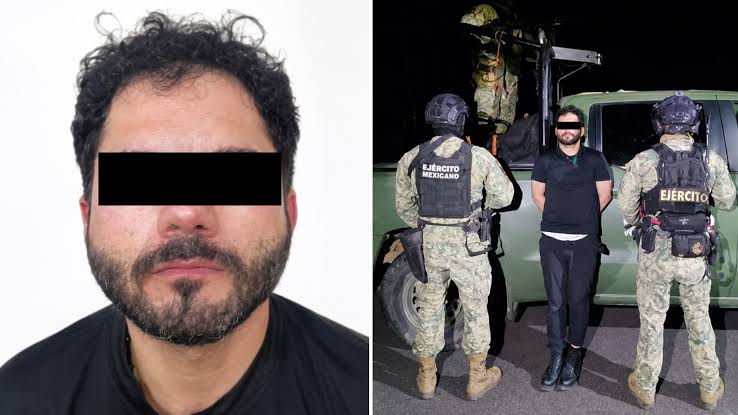
Juan Ricardo Palacio Escobar, 52, a Colombian national who co-founded a Florida data recovery company, has been indicted on three counts of wire fraud for allegedly lying to ransomware victims about how their files were recovered. Federal prosecutors say he promised proprietary decryption technology, then quietly paid the hackers and billed customers more. Each count carries up to 20 years in prison, for a combined maximum of 60 years.
A federal grand jury in the District of Rhode Island returned the indictment on Nov. 18, and the Justice Department announced it Wednesday. The case, United States v. Juan Ricardo Palacio Escobar, is filed under No. 1:26-cr-00096-MRD-RLA. An indictment is only an allegation, and Palacio Escobar is presumed innocent unless convicted in court.
Federal agents arrested him in Las Vegas on Oct. 22, and he was ordered held and moved to Rhode Island. On Nov. 20, two days after the indictment, the court released him before trial under strict conditions. No plea or trial date had been made public as of Nov. 26.
The “Over 99%” Pitch at the Center of the RansomwareHelp Fraud Case
The Justice Department does not name the company in its announcement. Krebs on Security, TechCrunch and The Record identified it as RansomwareHelp, whose website advertised a success rate above 99 percent and said it never paid ransoms on behalf of clients. The site now displays an “under maintenance” notice. Before it went down, the site also claimed 28 years of experience and a team of 80 experts, according to Krebs, who described Palacio Escobar as the firm’s chief technology officer and co-founder.
According to the indictment, the pitch was false. Prosecutors say the company had no technical fix. It negotiated with the attackers, paid for the decryption key, and kept the difference between that payment and the price it charged customers.
An FBI Sting Where Agents Played Both Victim and Hacker
The FBI ransomware investigation turned on an undercover operation in June 2026. Agents posed as a company hit by ransomware and, at the same time, as the attacker behind it. When the supposed victim called, Palacio Escobar’s company allegedly said it never negotiated with or paid ransoms and could recover the data through its own technology.
Prosecutors say it did the opposite. Krebs reported that the fake hackers first quoted about $13,000 and that Palacio Escobar pressed for less. He allegedly paid about $6,000 in Bitcoin for a decryption key, then charged the undercover company about $13,260. Krebs, which reviewed the indictment, reported that the total billed reached $16,010 once a $2,750 diagnostic fee was added.
Where the Money Allegedly Went: Properties in Miami
Prosecutors allege the markup helped fund purchases of several properties in Miami. In the undercover deal alone, the Justice Department says he charged more than double what he paid. The announcement does not say how many victims were affected or how much the company collected overall.
A 2024 LockBit Recovery Dispute Raised Earlier Red Flags
Separately, Paul Ihme of the security firm Soteria told Krebs that RansomwareHelp sent a $438,880 recovery proposal in 2024 to an accounting firm hit by LockBit ransomware. Ihme said his team later found that someone had already been negotiating with the attackers for days. That account is the firm’s own claim and is not among the allegations the Justice Department described.
One of Several Recent Cases Against Ransomware Negotiators
The ransomware fraud indictment is among several US cybercrime cases announced this autumn. In early October, prosecutors charged Edward Dubrovsky of the Canadian firm Cybersteward in a sealed case, and a wire fraud case was brought against MonsterCloud chief executive Zohar Pinhasi, who allegedly paid ransomware groups about $8 million while billing customers $19 million. In July, negotiator Angelo Martino was sentenced to 70 months for helping the BlackCat group. Those defendants face different allegations.
What Comes Next and What Victims Should Know
Trial Attorney Christen Gallagher of the Justice Department’s Computer Crime and Intellectual Property Section is prosecuting the case with Assistant U.S. Attorneys Lee H. Vilker and Julianne Klein. The FBI investigated, and Ted Docks, who leads the FBI’s Boston Division, called Palacio Escobar the “proverbial wolf in sheep’s clothing.” Court dates have not been announced.
The FBI and the Cybersecurity and Infrastructure Security Agency advise against paying ransoms, because payment does not guarantee data returns or stays private. Victims who hire a recovery firm can ask, in writing, whether it communicates with or pays the attackers. First Assistant U.S. Attorney Charles Calenda said victims should not be “victimized for a second time.”
Sources
- U.S. Attorney's Office, District of Rhode Island: charging announcement, November 25, 2026justice.gov(opens in a new tab)
- U.S. Department of Justice, Office of Public Affairs: Colombian National Indicted in Scheme to Defraud Victims of Ransomware Attacksjustice.gov(opens in a new tab)
- The Record from Recorded Future News: Florida ransomware recovery CEO indicted, November 25, 2026therecord.media(opens in a new tab)
- TechCrunch: DOJ accuses former cyber executive of defrauding ransomware victims, November 25, 2026techcrunch.com(opens in a new tab)
- Krebs on Security: CTO of RansomwareHelp indicted for wire fraud, November 20, 2026krebsonsecurity.com(opens in a new tab)
- United States v. Juan Ricardo Palacio Escobar: indictment (D.R.I.)krebsonsecurity.com(opens in a new tab)