Federal prosecutors have arrested the former Honduran consul general in Atlanta, accusing her of demanding more than $375,000 in cash bribes from people who needed passports and other consular services. The case is the first ever brought under the Foreign Extortion Prevention Act, a federal law aimed at foreign officials who demand payoffs. Her two sons and a former consulate employee were arrested with her, and all four are presumed innocent.
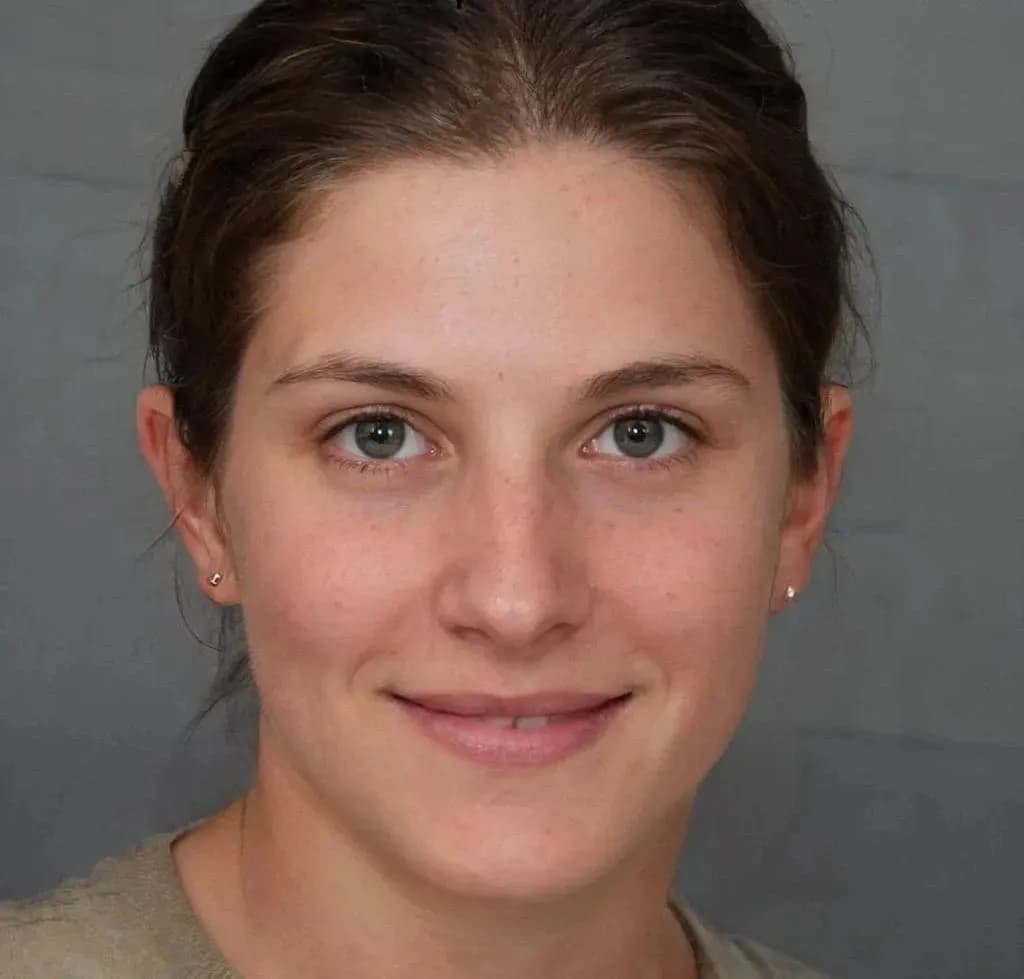
Ada Evila Serrano Nuñez, 72, led the Honduran Consulate in Atlanta from July 2022 until March 2026. Agents arrested her Sunday at Hartsfield-Jackson Atlanta International Airport, and she was arraigned Monday before U.S. Magistrate Judge Regina D. Cannon. A grand jury in Atlanta had already indicted her on Sept. 1, charging her with demanding bribes, conspiring to demand bribes and conspiring to launder money. The indictment was filed under seal and made public Sunday at the request of prosecutors, according to the Atlanta Journal-Constitution.
Three others were arrested the same day on a criminal complaint charging them with conspiring to demand bribes: her sons, Luis Euceda Serrano, 39, and Angel Euceda Serrano, 42, both of Honduras, and Mario Antonio Castellanos Velazquez, 63, of Atlanta, a former consulate staff member. All four are in U.S. Marshals Service custody while the case moves forward. Prosecutors said in court filings that Serrano faces up to 40 years in prison if convicted, the AJC reported. The charges are allegations, and each defendant is presumed innocent.
How prosecutors say the payment system worked
Consulates handle routine paperwork for citizens living abroad, including passports, travel documents, notary services and civil records. According to prosecutors, many Hondurans who needed those services traveled to Georgia from neighboring states and relied on a transportation company to drive them and book their appointments.
Starting around July 2023, prosecutors say, Serrano required that company to collect a cash bribe for each person who wanted an appointment. The money allegedly moved from the company to consulate staff, including Castellanos, and then to her sons, who put it into their personal bank accounts in deposits ranging from $100 to $6,000. At times, staff members allegedly handed the cash straight to Serrano. Prosecutors put the total at more than $375,000.
The AJC, citing the indictment, reported that the company is based in Tennessee and is not named in the charging document. It generally charged each client $300, a fee that covered the round trip to the consulate and the alleged bribe. In exchange, prosecutors say, its customers got priority access to appointments.
Encrypted apps and a warning about hidden cameras
Investigators say Serrano understood the arrangement could be exposed. She allegedly used encrypted messaging apps and capped the number of daily appointments set aside for the transportation company's customers, which would have kept the volume from standing out.
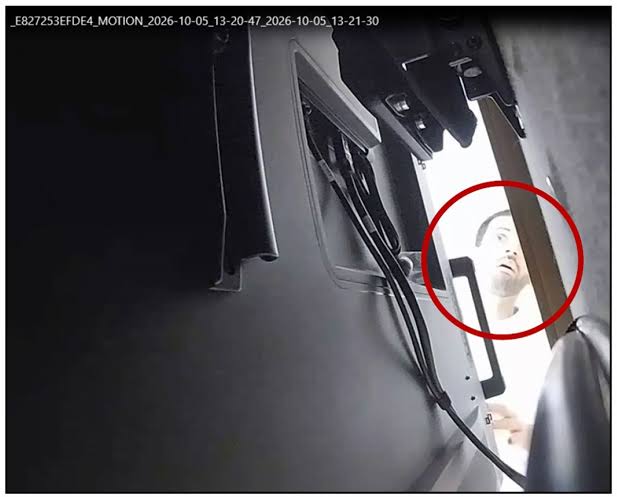
The Justice Department also describes a meeting in which she is said to have told her sons and a staff member that there "might be cameras" and urged them to be careful. According to the department, she also worried that microphones could be hidden in her office and asked for vents to be covered.
In a court filing seeking Serrano's detention, prosecutors wrote that their case includes financial records, cooperating witnesses, text messages and many covert recordings. They argue the recordings show her closely controlling how the cash was collected and handled. None of that evidence has been tested in court, and the AJC reported that it could not immediately reach Serrano, her co-defendants or their lawyers for comment.
A first test for the Foreign Extortion Prevention Act
The law makes it illegal for foreign officials to demand or accept bribes while inside the United States or from U.S. businesses. It targets the receiving end of corruption, while the better-known Foreign Corrupt Practices Act is built around the people who pay bribes.
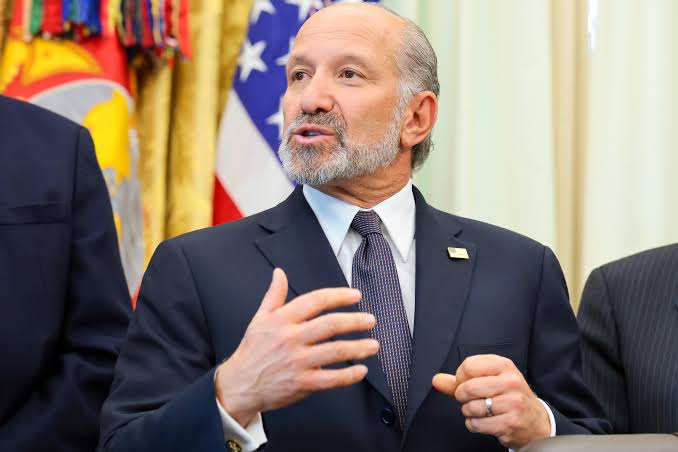
Assistant Attorney General A. Tysen Duva, who leads the Justice Department's Criminal Division, said the charges show foreign officials will not be excused when they abuse their positions to extort businesses. U.S. Attorney Theodore S. Hertzberg said his office will pursue bribery in the Northern District of Georgia no matter how senior the suspect is. Marlo Graham, special agent in charge of the FBI's Atlanta field office, called the arrest a significant moment in the fight against foreign corruption.
What happens next in federal court
The case is being prosecuted by Assistant U.S. Attorney Garrett L. Bradford and Assistant Chief Derek J. Ettinger of the Criminal Division's White Collar and Corporate Enforcement Section. The FBI's Atlanta field office investigated.
Serrano's sons and Castellanos were charged by criminal complaint rather than indictment. Under federal rules, prosecutors generally have 30 days after an arrest to obtain a grand jury indictment, although that deadline can be extended or waived.
As of Nov. 17, the reports reviewed do not include a statement from the Honduran government, a trial date or a public docket number. A consulate representative did not respond to the AJC's questions Monday. Every defendant remains presumed innocent, and prosecutors must prove guilt beyond a reasonable doubt.