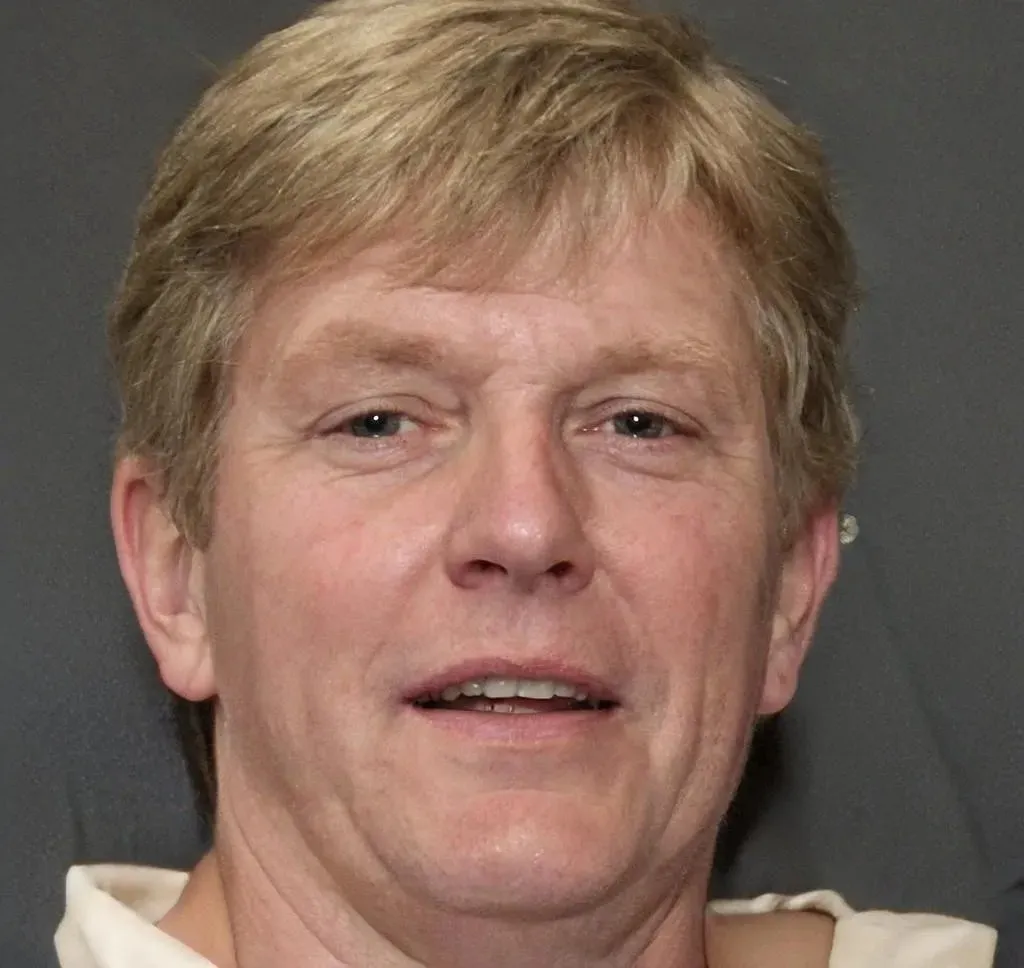
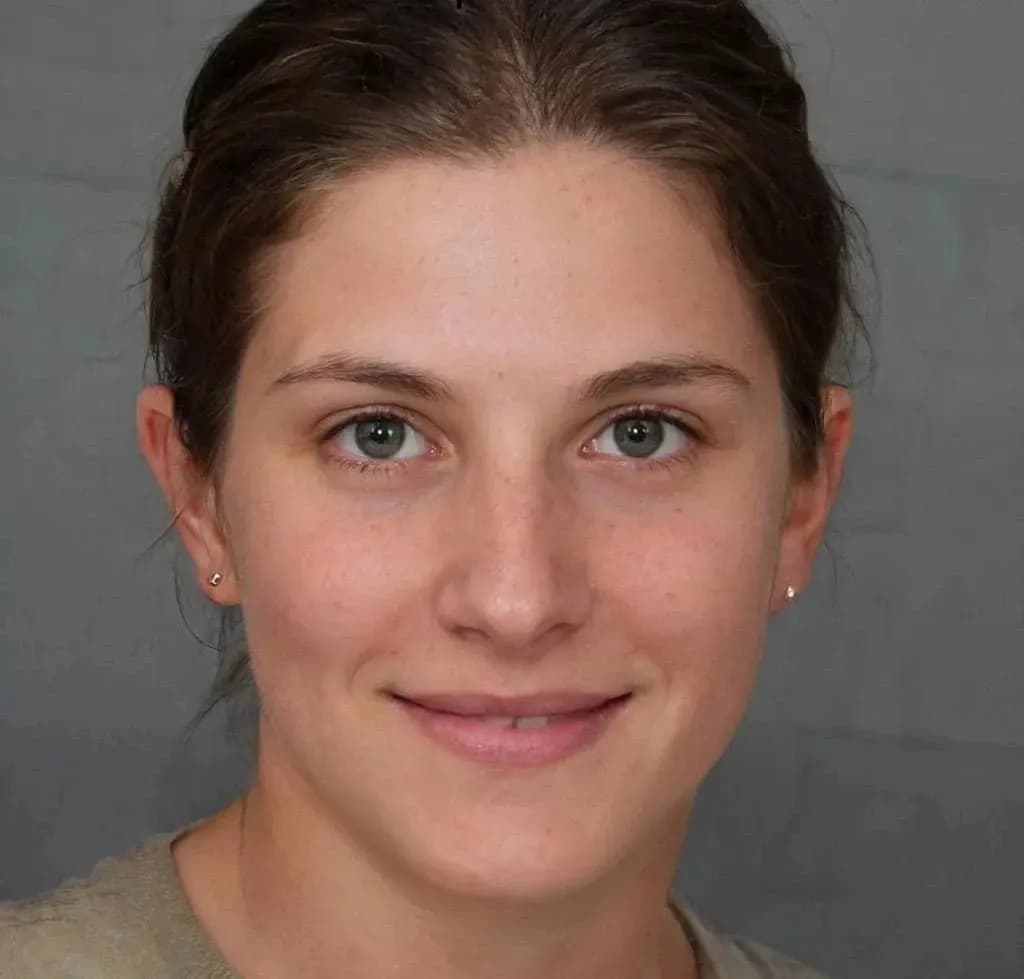
Jessica Bowie, 35, of Albany, appeared in federal court Thursday to face a single charge of attempting to provide material support to a designated foreign terrorist organization, ISIS, capping a monthslong FBI counterterrorism investigation that prosecutors say ended just before she could act. The charge carries a maximum sentence of 20 years in prison and a $250,000 fine, according to the U.S. Attorney's Office for the Northern District of New York.
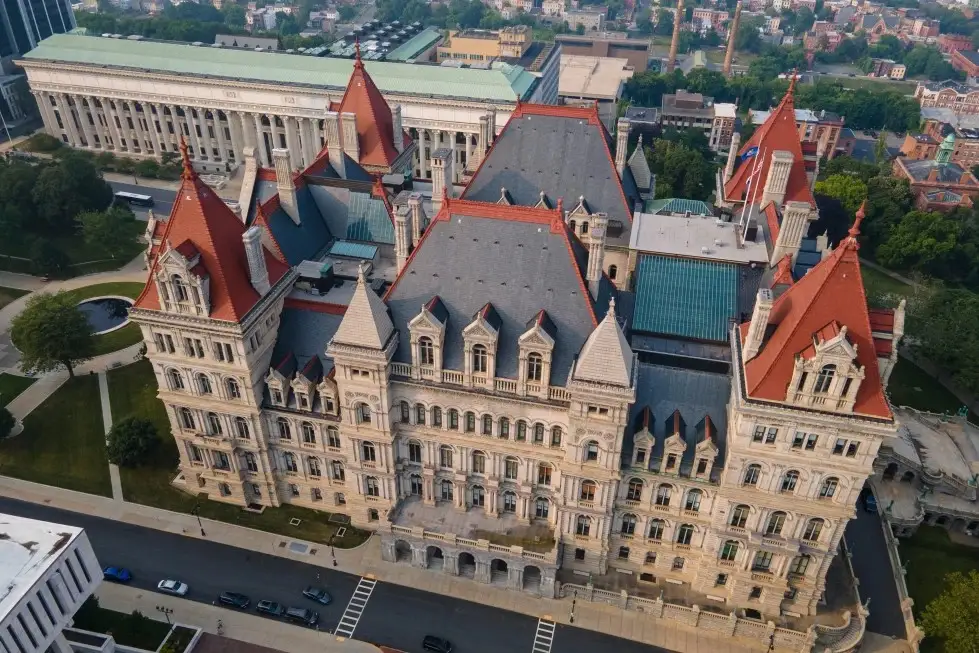
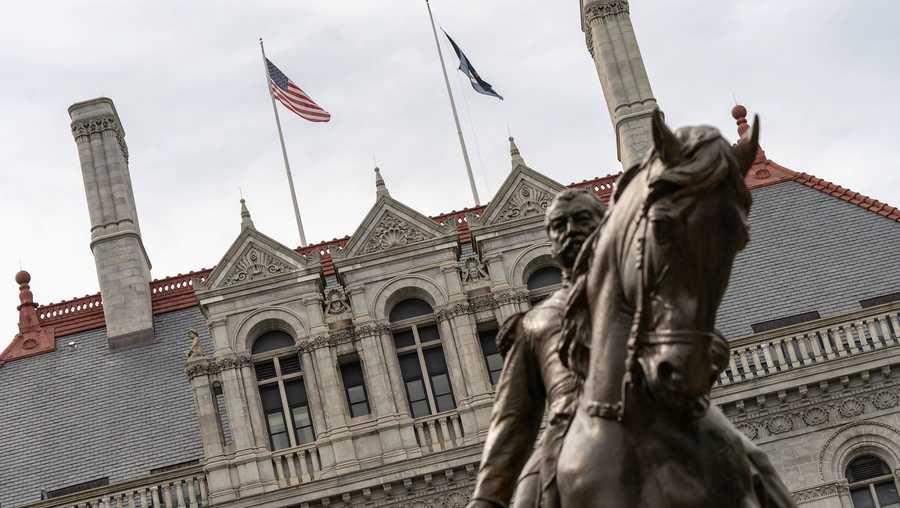
Investigators allege Bowie spent weeks plotting an attack on the state Capitol building, hoping to kill as many lawmakers as possible before fleeing the country to join ISIS fighters in Syria. Assistant Attorney General for National Security John Eisenberg said Bowie intended to detonate a device that would destroy "as much of the building as possible," and that she planned to escape to ISIS-held territory afterward.
Court papers describe a woman who converted to Islam roughly five years ago and later adopted the name "Aisha Saif" online. Investigators say a cluster of social media accounts traced back to her cell phone number and other identifiers featured posts praising past terror attacks and disparaging the United States.
Among the messages agents attribute to her are celebratory posts about the September 11 attacks and vows to harm nonbelievers once she was free to travel abroad, according to the criminal complaint. Agents began monitoring the accounts in earnest around May, watching her rhetoric harden through the early summer months.
By mid-July, she was in direct contact with someone she believed to be an ISIS recruiter — in reality an FBI operative posing online.
"As alleged, Bowie plotted to deploy an explosive device at the New York State Capitol, intending to kill public officials.
— John A. Eisenberg, Assistant Attorney General for National Security
Once Bowie began corresponding with the undercover contact, she reportedly floated the idea of hitting the Capitol in a way she could "get away with," and discussed disguising an explosive inside a food-delivery bag so she could pass as a courier walking through security.
Over the following weeks, she allegedly toured the Capitol grounds five separate times between July 21 and Aug. 9, photographing entrances and mapping out where a blast might do the most damage.
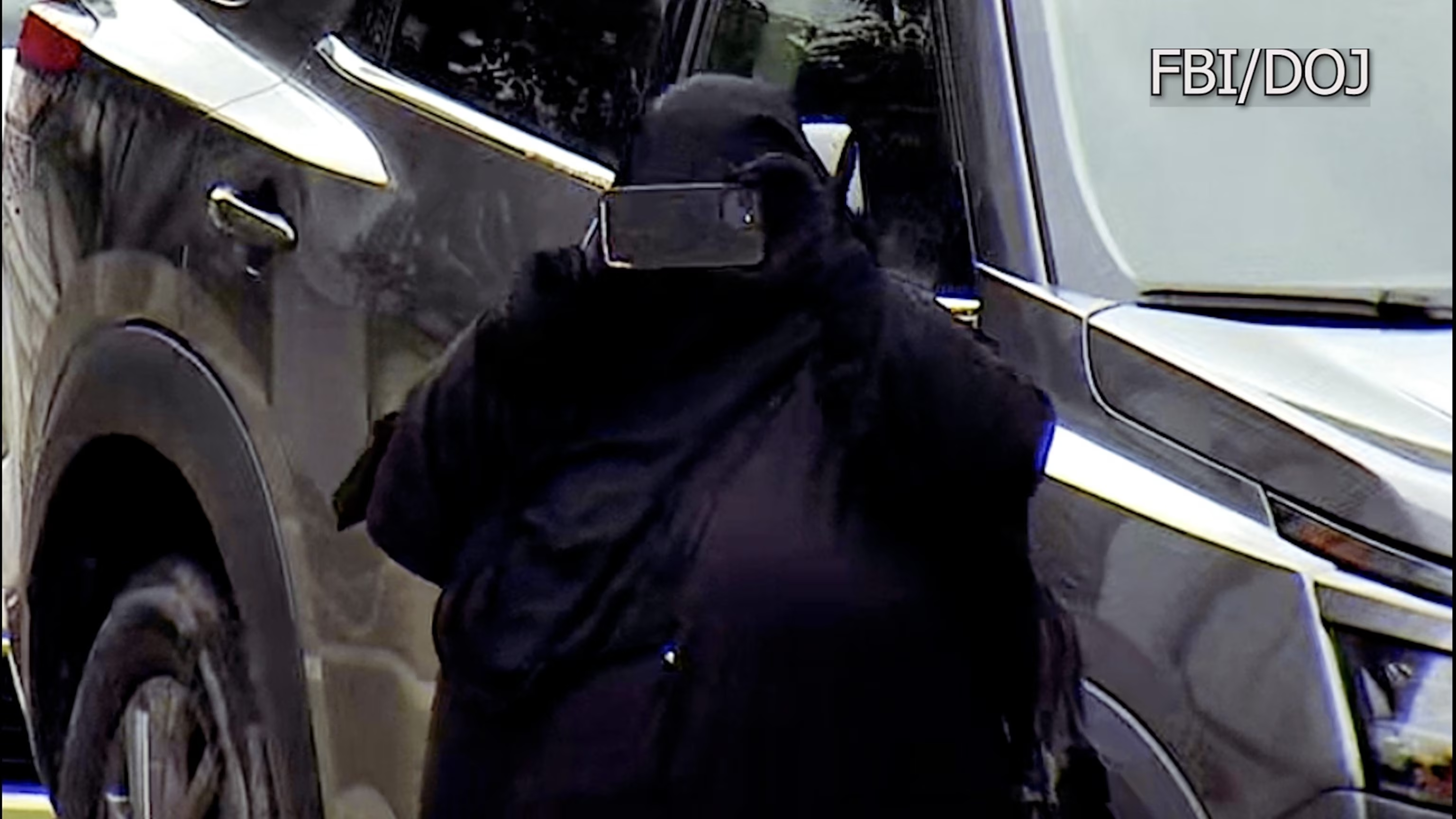
On Aug. 5, she met two additional informants inside a parked car for a conversation investigators secretly recorded. Agents also say they supplied money she used to buy hardware, including nails intended as shrapnel, at a local Home Depot.
How the sting operation unfolded
The material-support statute Bowie is charged under, 18 U.S.C. § 2339B, makes it a federal crime to knowingly provide aid to any organization the State Department has designated a foreign terrorist group. ISIS has carried that designation since 2004, and prosecutors used the same law to bring the single count against Bowie rather than a separate weapons or explosives charge, since the device she ultimately received from operatives was inert.
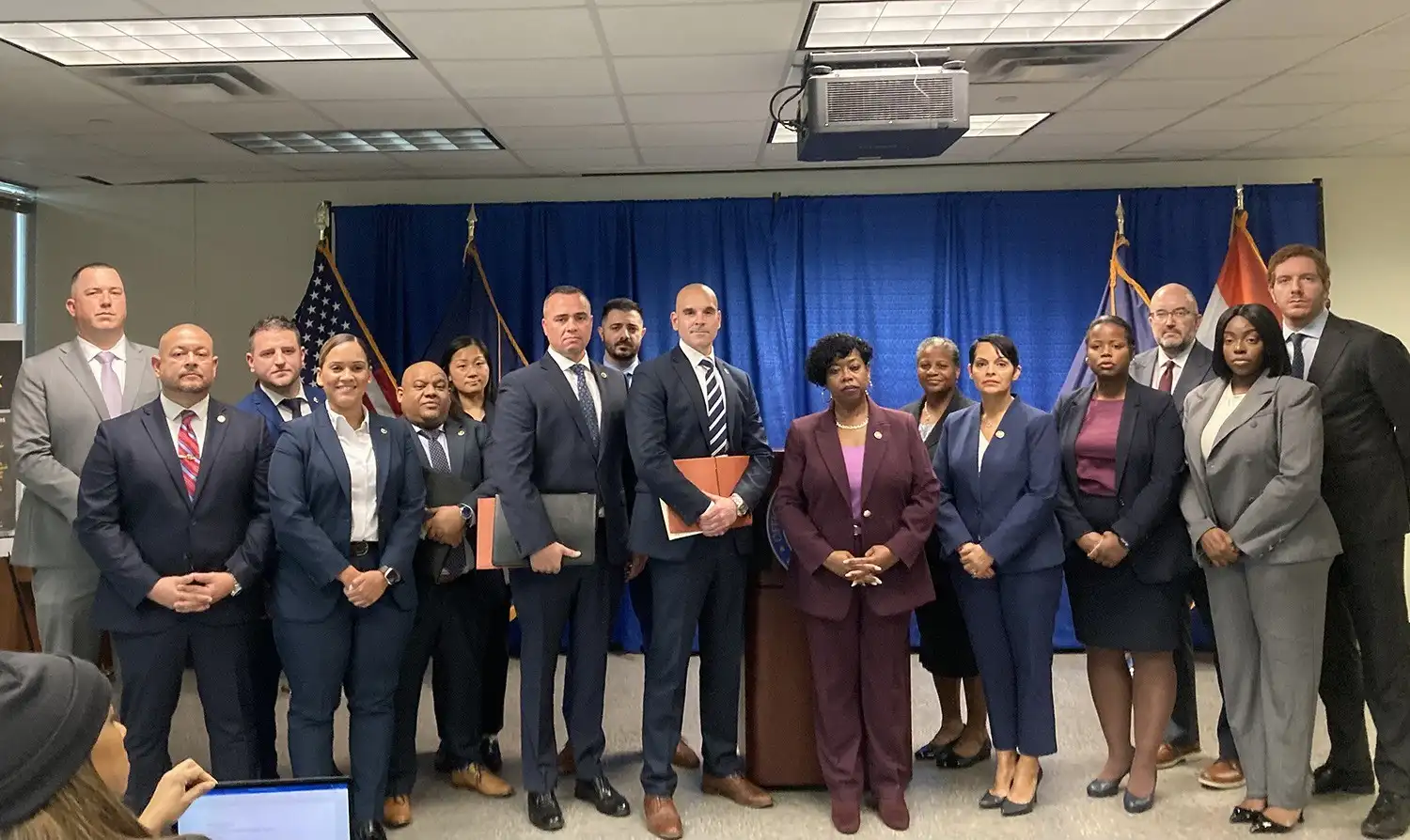
First Assistant U.S. Attorney John Sarcone III, who led Thursday's news conference alongside FBI and Secret Service officials, walked reporters through the government's account of how the plot developed. He said Bowie had zeroed in on state senators specifically, reasoning that legislation passed in Albany amounted to an affront to her faith, and that she saw an attack during a session as the clearest way to strike at multiple officials at once.
The arrest
The operation reached its conclusion on Wednesday, when operatives handed Bowie a firearm, ammunition and an inert explosive device, then walked her through how to use them, according to the complaint. FBI agents moved in and arrested her as soon as she left the meeting with the weapons still in her bag.
Investigators say Bowie's online footprint made her easy to trace once agents started looking. She had built out several accounts under her adopted name, many of which were repeatedly suspended for violating platform rules against promoting extremism, according to court filings. Rather than deterring her, agents say the pattern simply pushed her to open new ones, and it was through billing records and phone numbers linked across those accounts that investigators first connected the postings to Bowie.
Once she was communicating with the informant posing as an ISIS contact, the exchanges escalated quickly. Within roughly two weeks she was sending photographs of the Capitol building with sections circled to indicate where she believed an explosion would be most destructive, according to the complaint. She also asked the informant for basic guidance on assembling a device, prosecutors said, before the conversation moved toward acquiring both a weapon and explosive materials.
What officials are saying
FBI Albany special agent in charge Craig Tremaroli told reporters Bowie's ambitions went beyond individual lawmakers, saying she wanted "a complete disruption of our government." A separate statement from the FBI's National Security Branch credited the bureau with detecting and stopping the plot before anyone was hurt.
Officials have not said whether Bowie has any prior criminal record or history of contact with law enforcement. Authorities have released few personal details beyond her age, hometown and the online alias tied to the case.
✓ Charge: Attempting to provide material support to ISIS
✓ Maximum penalty: 20 years in prison and a $250,000 fine
✓ Status: In federal custody, no trial date set
Thursday's announcement lands amid a broader national conversation about threats to elected officials, from statehouses to Washington. Officials stressed that the sting never allowed Bowie access to a functioning bomb; the device recovered from her bag on Wednesday had been rendered inert before it was handed over.
What happens next
Bowie has not yet entered a plea, and no trial date had been set as of Thursday. It was not immediately clear whether she has retained an attorney; a spokesperson for the Federal Public Defender's office in Albany declined to comment.
Court records show prosecutors also flagged additional threats Bowie allegedly discussed with informants, including a fallback plan targeting Albany City Hall and a stated willingness to return to the country later for attacks on the White House or a New Year's Eve gathering in Times Square, according to officials.
A criminal complaint is not an indictment, and Bowie is presumed innocent unless and until prosecutors secure a conviction. Legal observers note that material-support cases built on undercover stings often turn on the specifics of who first raised the idea of an attack and how much the government's own operatives shaped the plan — questions that typically surface later, in pretrial motions rather than at an initial appearance.
There's no helping me, you guys know enough.— Jessica Bowie, to FBI agents after her arrest
Gov. Kathy Hochul's office said the state has bolstered security across state government this year amid a broader rise nationally in threats against public officials, adding there is no known ongoing danger tied to the case. The Capitol has been out of legislative session since June, and Bowie is due back in federal court in Albany at a date that had not yet been scheduled as of Thursday evening.