
The Senate voted 70–27 on Monday to end debate on a bipartisan package that would speed federal approval of energy, mining and transmission projects. The vote clears a key procedural hurdle, but it is not final passage, and the bill still needs House approval before it can reach President Donald Trump.
The vote was on a substitute amendment from Sen. Shelley Moore Capito, R-W.Va., who chairs the Environment and Public Works Committee. The amendment replaces the text of the Bipartisan American Affordability and Jobs Act of 2026, with H.R. 2347 serving as the Senate's legislative vehicle.
The Hill reported that the result sets up a final Senate vote before the Thanksgiving recess, and Majority Leader John Thune has also filed cloture on the bill itself. As of Tuesday, Nov. 17, no final passage vote had been reported, and Senate staff were still working toward an agreement on amendments.
What the package would change
It would tighten review timelines and set a 150-day window for court challenges under laws including the National Environmental Policy Act, the Clean Water Act, the Endangered Species Act and the National Historic Preservation Act. It would also direct the Federal Energy Regulatory Commission to set timelines for utilities to upgrade transmission lines, and it declares that data centers should pay the full cost of the grid service and equipment they require.
Who backs the bill and who does not
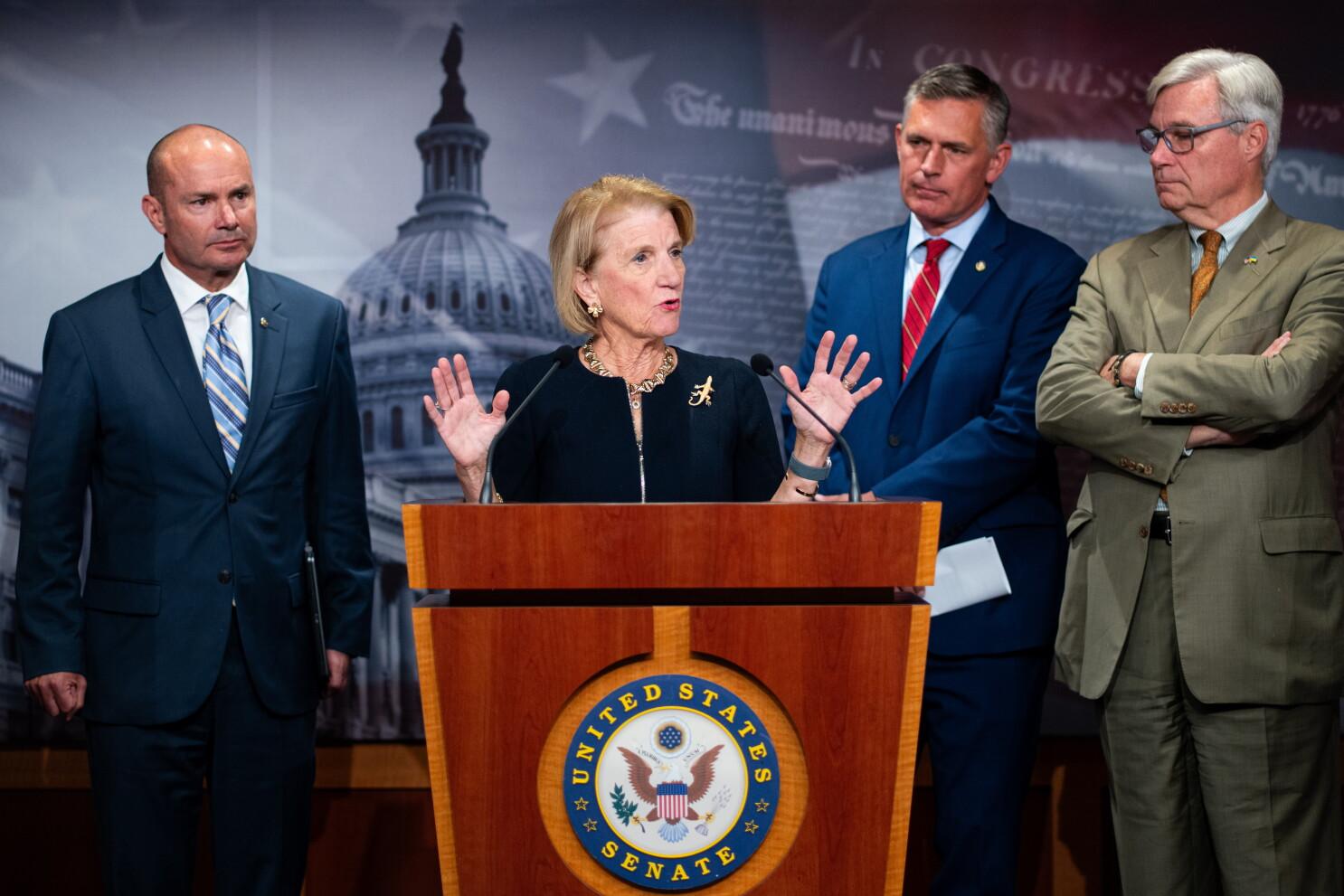
Trump has said he is behind it, and a White House official said the time to get permitting reform done is now. The four lead authors, Capito, Sen. Mike Lee, R-Utah, and Democratic Sens. Sheldon Whitehouse of Rhode Island and Martin Heinrich of New Mexico, argue it will lower energy costs and create jobs. Industry groups such as the American Petroleum Institute and the Data Center Coalition support it, as do major labor unions.
Opposition runs through the environmental movement and a large bloc of Democrats. The Sierra Club and the Natural Resources Defense Council are against it, and The Hill reported that nearly half of the Senate Democratic caucus opposes the measure, including Sen. Jeff Merkley of Oregon.
Tribal consultation is the sharpest dispute. Sen. Catherine Cortez Masto, D-Nev., voted to limit debate but has said she will oppose final passage unless a provision affecting the National Historic Preservation Act is removed. Minority Leader Chuck Schumer, D-N.Y., has said he has outstanding concerns he will try to address through amendments.
Why the House is the harder test
House Democratic leader Hakeem Jeffries, expected to become speaker in January, has said the bill "falls short in several areas." House Energy and Commerce Chair Brett Guthrie, R-Ky., wants changes on grid reliability, and several progressive Democrats oppose it outright. Trump's vow to keep blocking wind turbines adds another snag for Democrats who want assurances that approved wind projects can move ahead.
The calendar is tight. A Dec. 11 funding deadline competes for floor time, and any bill not passed by both chambers before the current Congress ends in early January must start over. Next up are amendment votes and a cloture vote on the bill, which also needs 60 votes.
Sources
- The Hill: Senate takes big step toward passing permitting reform package, November 16, 2026thehill.com(opens in a new tab)
- HNGN: Senate permitting bill advances 70-27, House is the hurdle, November 16, 2026hngn.com(opens in a new tab)
- Axios: The path ahead for the permitting bill, November 10, 2026axios.com(opens in a new tab)