For decades, the Southern Poverty Law Center built its identity — and its fortune — on tracking, naming, and shaming America's most dangerous hate groups. But on April 21, 2026, the organization best known for mapping extremism found itself at the center of a stunning federal indictment, accused of secretly paying the very people it publicly condemned.
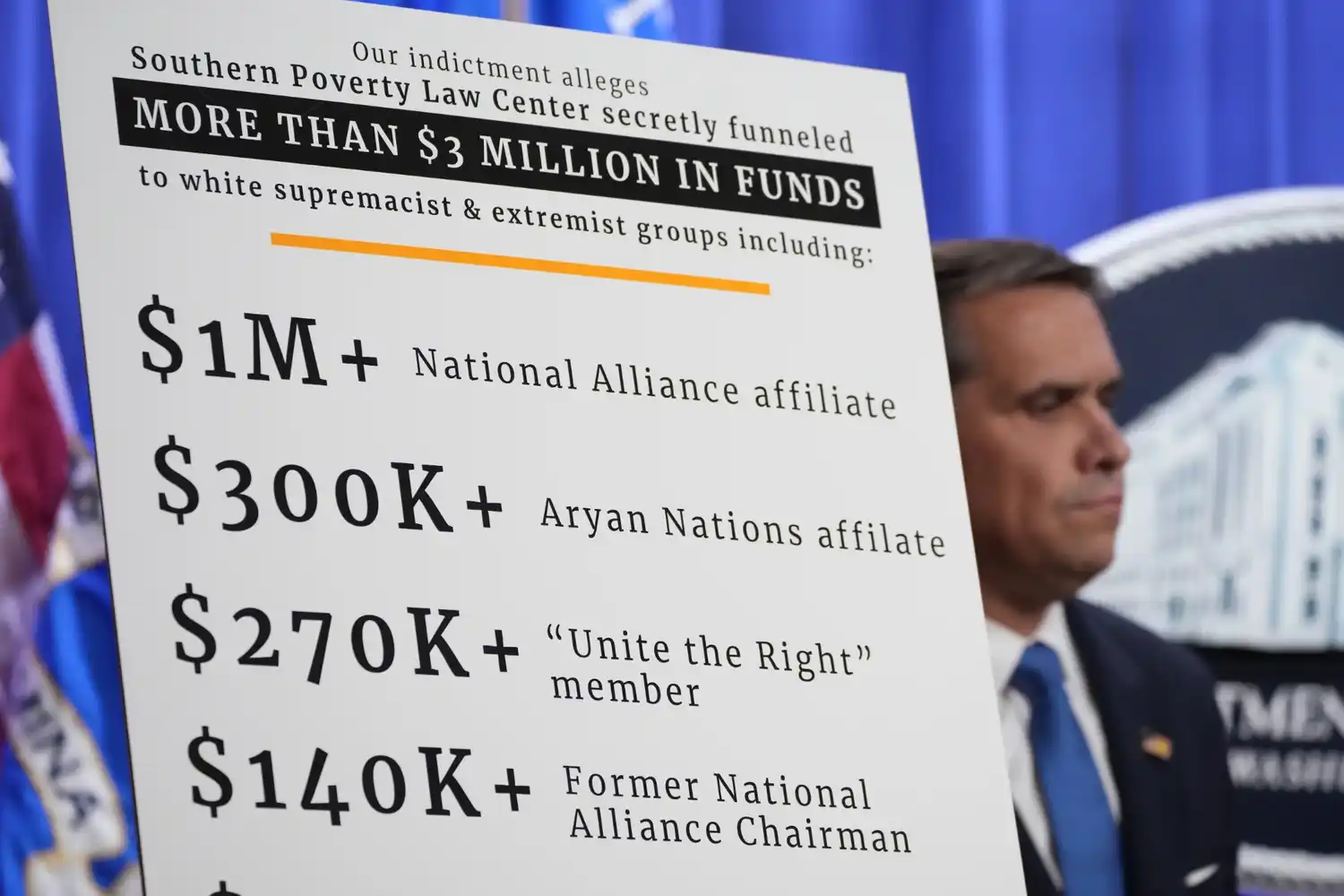
A federal grand jury in Alabama handed down an 11-count indictment against the SPLC, charging the nonprofit with wire fraud, bank fraud, and conspiracy to commit money laundering. At the heart of the case is a covert program, allegedly running from 2014 to 2023, in which the organization funneled over $3 million in donor contributions to embedded insiders — referred to internally as 'field sources' or simply 'the Fs' — operating within neo-Nazi organizations, Ku Klux Klan chapters, and other white supremacist networks.
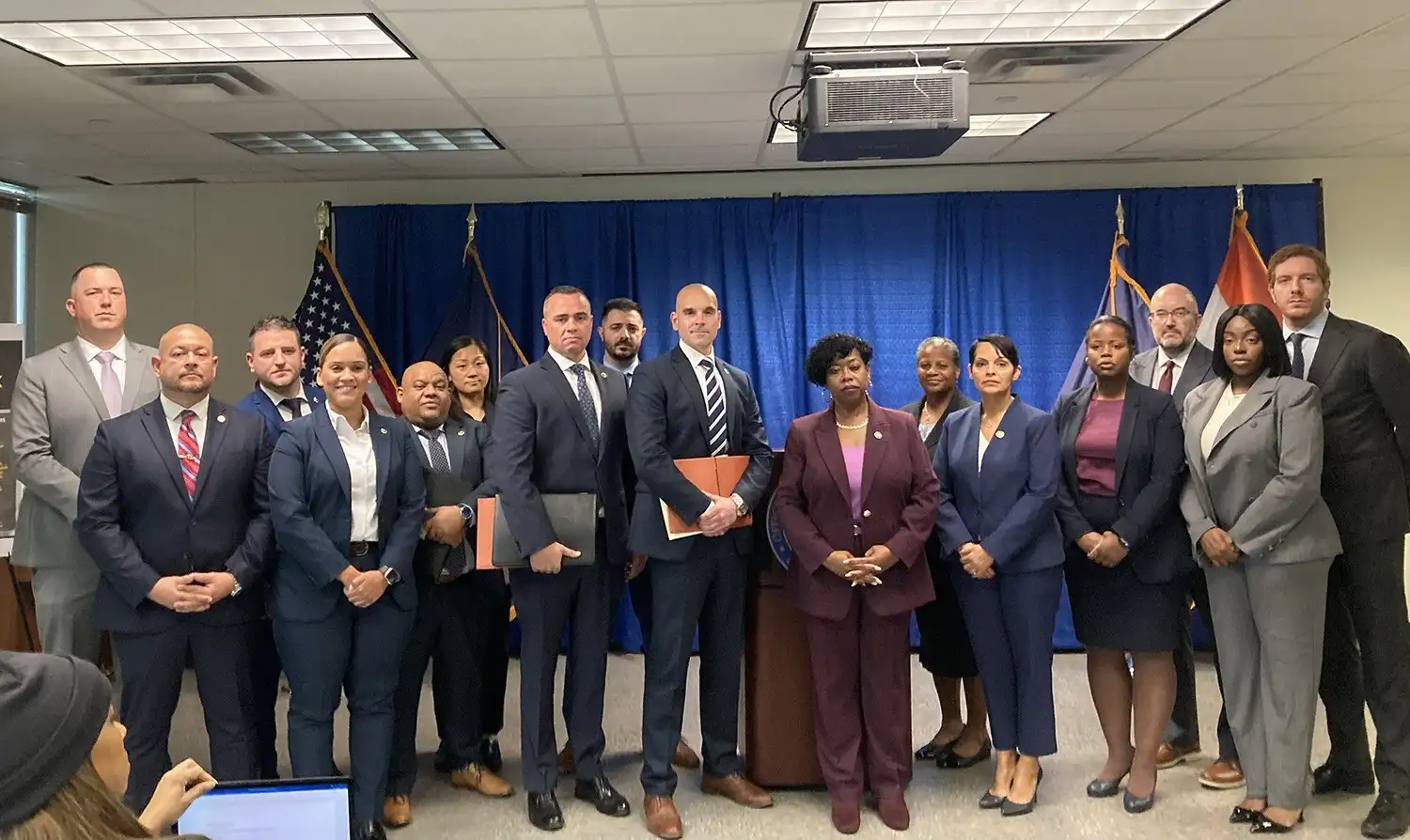
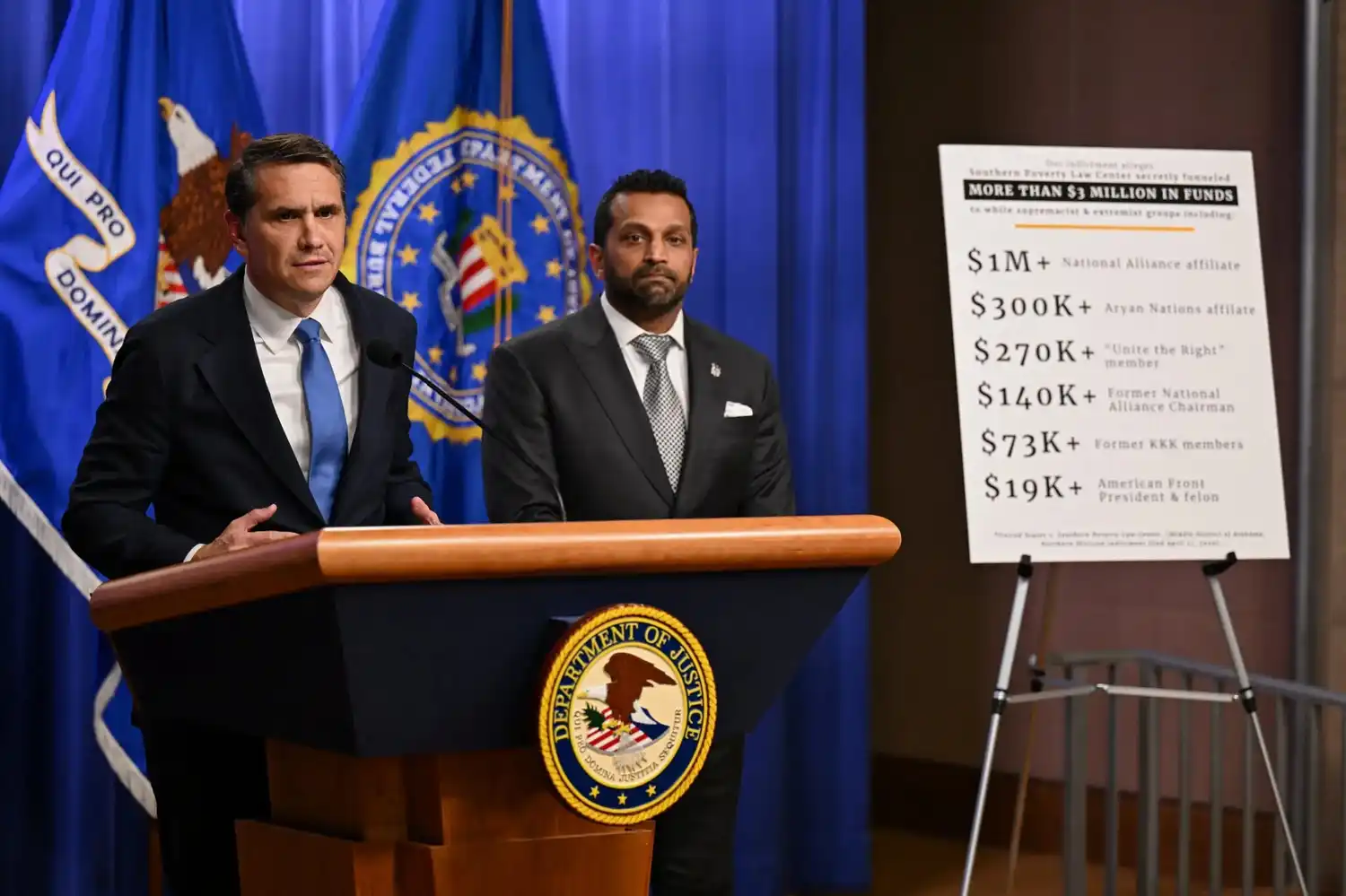
Acting Attorney General Todd Blanche and FBI Director Kash Patel stepped before cameras Wednesday to announce the charges, with Patel stating the SPLC had 'betrayed the trust of every American who ever donated a dollar' to the organization. The announcement sent shockwaves through civil rights circles and drew fierce reactions from both sides of the political aisle.
"By propping up and paying these actors sums of money to do the very things they were supposed to be combating, they created a narrative — and a justification for their own existence.
— Gene Hamilton, America First Legal President and former DOJ official
Among the informants detailed in the indictment — none of whom were named — is an 'Imperial Wizard' of the United Klans of America, a KKK chapter the SPLC itself once described as responsible for the 1963 16th Street Baptist Church bombing that killed four young Black girls in Birmingham, Alabama.
Another unnamed informant, a senior figure in the neo-Nazi National Alliance, allegedly received more than $1 million over the course of the program. Prosecutors say this individual — who worked as a fundraiser for the violent extremist group — was directed by SPLC handlers to steal 25 boxes of internal documents from the National Alliance's headquarters. Those stolen records later became the foundation for a story published on the nonprofit's own 'Hatewatch' blog.
To cover the theft, the SPLC allegedly paid a second informant within the same organization $6,000 to take criminal responsibility for the break-in — a detail prosecutors say illustrates how deeply the scheme had penetrated standard ethical boundaries.
A Web of Secret Payments Across America's Most Violent Extremist Groups
The indictment reads like a who's-who of American white supremacy. An informant present in an online planning group for the deadly 2017 Unite the Right rally in Charlottesville, Virginia, allegedly received $270,000 from SPLC between 2015 and 2023. Prosecutors say that individual posted racist content at the SPLC's direction while simultaneously coordinating transportation for rally attendees — effectively helping stage the very event as an SPLC-funded insider.
A National Socialist Movement officer and member of the Aryan Nations-affiliated Sadistic Souls Motorcycle Club reportedly collected more than $300,000 between 2014 and 2020. A former National Alliance chairman — whose profile appeared in the SPLC's public-facing 'Extremist Files' database — was simultaneously receiving $140,000 in secret payments between 2016 and 2023, according to the filing.
A former director of the Aryan Nations who also held Klan membership received $70,000 despite being featured on the SPLC's extremist tracking pages. A national president of the American Front — previously convicted on federal cross-burning charges — was paid $19,000 between 2016 and 2019. An 'Exalted Cyclops' in a KKK chapter received $3,500, a payment that surfaced in prior court proceedings. Additional payments totaling $160,000 went to other extremist leaders, including a former Grand Wizard of the Knights of the Ku Klux Klan.
SPLC Calls It Political Weaponization. Critics Call It Fraud.
SPLC CEO Bryan Fair issued a defiant statement Tuesday, insisting the informant program was a legitimate, now-discontinued intelligence operation designed to protect communities from violent groups. Fair characterized the indictment as a politically motivated attack by the Trump administration, accusing federal prosecutors of weaponizing the Department of Justice against a civil rights organization.
But legal observers and nonprofit watchdogs weren't buying the defense so easily. Gene Hamilton, president of the conservative America First Legal and a former DOJ official, called the situation 'mind-bogglingly dumb,' comparing it to a nonprofit secretly funding the activities it raises money to oppose. 'It's one thing if it's the government — the government can prosecute people,' Hamilton said. 'But a tax-exempt nonprofit using donor dollars this way is unprecedented.'
Liora Rez, founder of StopAntisemitism, was blunter still. 'It is unimaginable to us that a civil rights group would manufacture bigotry in order to solicit donations from concerned Americans,' Rez said. 'If this is what the SPLC did, it is shameful and outrageous.'

Key Elements of the Case
The indictment outlines a systematic pattern of donor deception stretching nearly a decade, with the SPLC allegedly raising millions under the pretense of fighting extremism while covertly paying extremist insiders to remain active and embedded.
✓ 11-count indictment: 6 counts wire fraud, 4 counts bank fraud, 1 count money laundering conspiracy
✓ Over $3 million in alleged secret payments between 2014 and 2023
✓ At least 8 informants in leadership roles of KKK, neo-Nazi, and white supremacist groups
✓ Case filed in U.S. District Court, Middle District of Alabama — Case No. 2:26-cr-00139
✓ SPLC denies wrongdoing; vows to fight charges in court
Complicating the picture further, records obtained through FOIA requests by America First Legal revealed that during the same period covered by the alleged fraud, the Biden-era DOJ's Civil Rights Division maintained close ties with the SPLC — inviting its officials to quarterly departmental meetings and granting exclusive access to federal hate crime databases.
What Comes Next for the SPLC?
The SPLC now faces one of the most consequential legal battles in its 54-year history. With an 11-count federal indictment and the full weight of the Department of Justice bearing down, the organization that built its brand on exposing institutional corruption must now defend itself against charges that it corrupted its own institution.
The case is assigned to Chief Judge Emily Coody Marks in Montgomery, Alabama — the same city where the SPLC was founded in 1971 by Morris Dees and Joseph Levin Jr. as a small civil rights law firm.
Legal analysts note that if the allegations are proven, the financial and reputational fallout could be irreparable. Donor trust is the lifeblood of any nonprofit, and the accusation that contributions were used to fund the activities of KKK members and neo-Nazis — while the organization publicly fundraised against those same groups — represents a potential catastrophic breach of that trust.
It is unimaginable that a civil rights group would gin up fake bigotry in order to solicit donations from concerned Americans.— Liora Rez, Founder of StopAntisemitism
For now, SPLC says it will fight. But in courtrooms, unlike in press releases, the facts carry the weight.
Whether the SPLC's informant program was a flawed but well-intentioned counterintelligence strategy — or a calculated scheme to manufacture the very threat it profited from combating — will ultimately be decided by a federal jury in Alabama.
Either way, the indictment marks a defining moment not just for one organization, but for the broader landscape of American civil rights nonprofits and the question of how far any institution can stray from its mission before the law catches up.