
A federal judge has stopped the Trump administration from ending Temporary Protected Status for about 350,000 Haitians who are legally living and working in the United States.
Late Monday, U.S. District Judge Ana Reyes in Washington, D.C. granted a temporary stay, stopping Homeland Security Secretary Kristi Noem's decision to end TPS for Haiti, which was supposed to happen the next day.
Judge Reyes wrote a strong 83-page opinion in which she criticized the secretary's reasoning and language. She pointed out that Noem had publicly called immigrants seeking safety "killers, leeches, or entitlement junkies."
"Kristi Noem has the right under the First Amendment to call immigrants killers, leeches, entitlement junkies, and any other name she wants. But Secretary Noem is limited by both the Constitution and the APA when it comes to putting the TPS program into action.
— Judge Ana Reyes
The judge pointed out five Haitian TPS holders who filed the challenge, including a neuroscientist, a software engineer, a lab assistant, a college student, and a registered nurse. She said that these people are productive members of the community, not the negative stereotypes that the secretary used.
Reyes brought up George Washington's vision of America as a safe place for the oppressed and said that Congress created TPS to reflect that vision during times of crisis in people's home countries.
The decision says that the end of TPS is "null, void, and of no legal effect" during the stay. This means that current TPS holders can still work and not be deported.
Background and Legal Situation
TPS lets people from certain countries who are facing violence, disasters, or instability stay in the U.S. for a short time and work legally. Haiti has long been eligible because of ongoing gang violence, political chaos, and humanitarian crises.
The plaintiffs said that Noem's firing broke the Administrative Procedure Act and the Fifth Amendment because it was arbitrary and may have been influenced by bias.
Reactions and effects on a larger scale
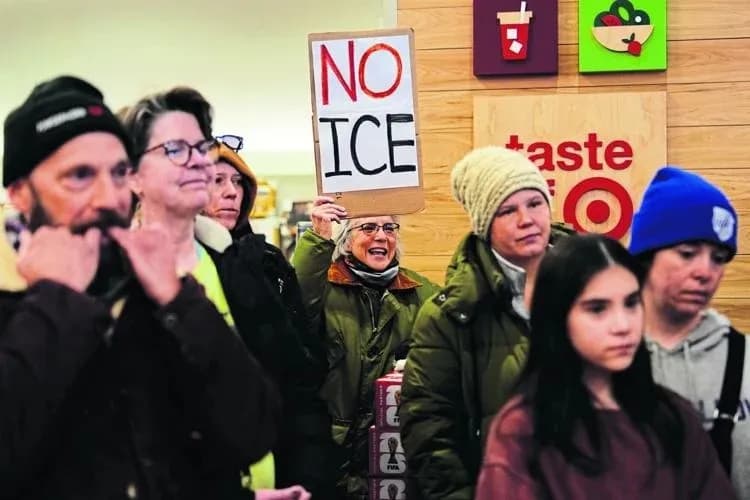
The decision gives Haitian communities immediate relief, including thousands of people in places like Springfield, Ohio, where false claims about immigrants got a lot of attention during the 2024 campaign.
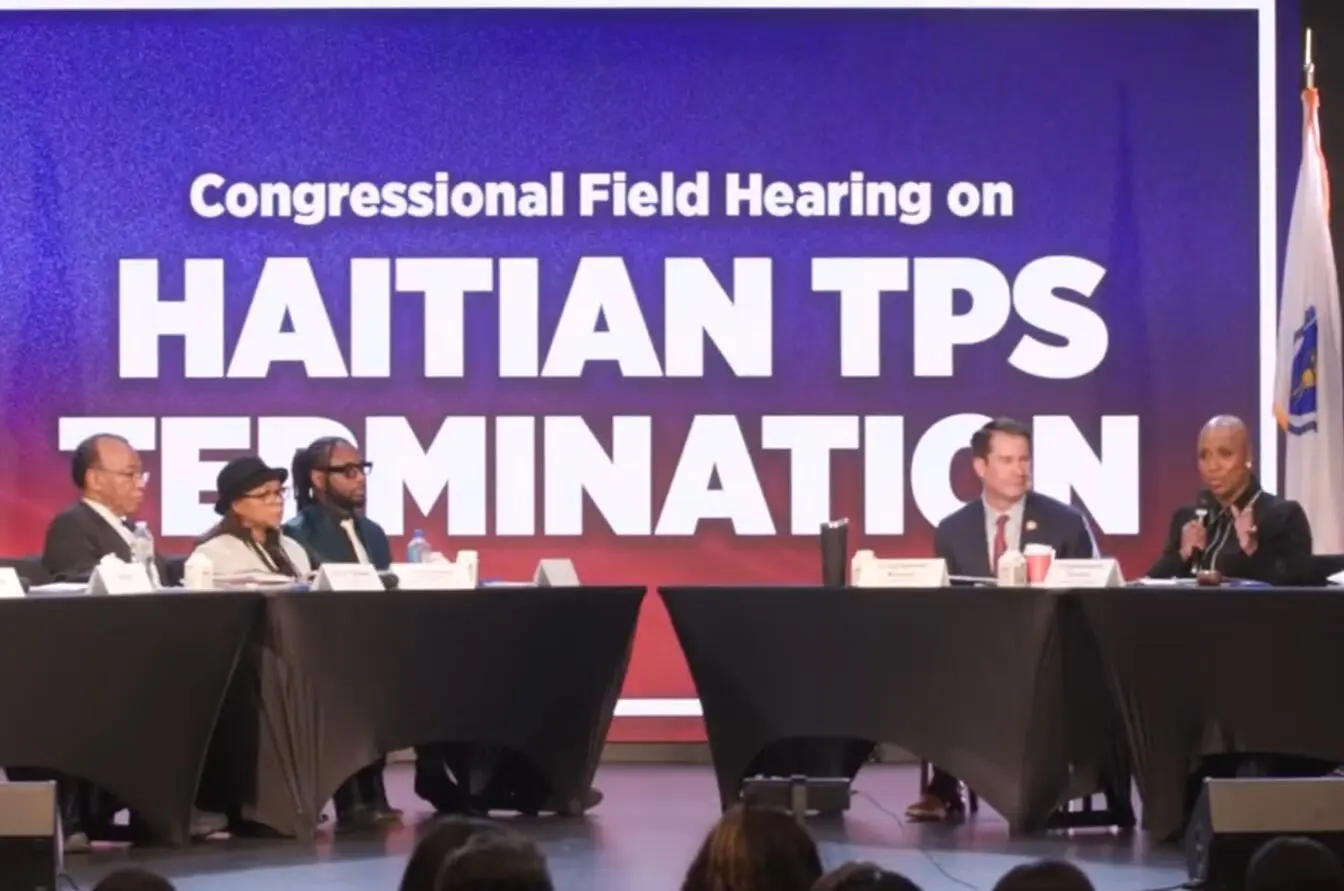
What You Should Know About the Ruling
Judge Reyes thought that the plaintiffs had a good chance of winning their case.
She asked if Noem really thought about how things are right now in Haiti.
The order stops anyone from losing their legal status or work permits right away.
✓ TPS termination is on hold until the full court case is over
✓ The judge criticizes the DHS Secretary's public comments that are insulting
✓ The ruling protects about 350,000 Haitians from being deported right away
✓ The administration is likely to appeal the decision
This is the most recent court loss in the current administration's efforts to quickly end TPS designations for a number of countries.
What Happens Next
While the lawsuit goes on, the stay stays in place. The ruling doesn't end the case for good, but it gives Haitian TPS holders and their families a lot of extra time.
Advocates for immigrants see the decision as a big win for due process and protections for people in need.
So far, the record shows that she hasn't [applied the facts to the law faithfully].— Judge Ana Reyes, talking about Secretary Noem
A lot of people think the Trump administration will appeal. In the meantime, TPS for Haitians is still in effect, which means that people who have it can't be deported and can keep working legally.
This article is based on court documents and major news stories about the decision.