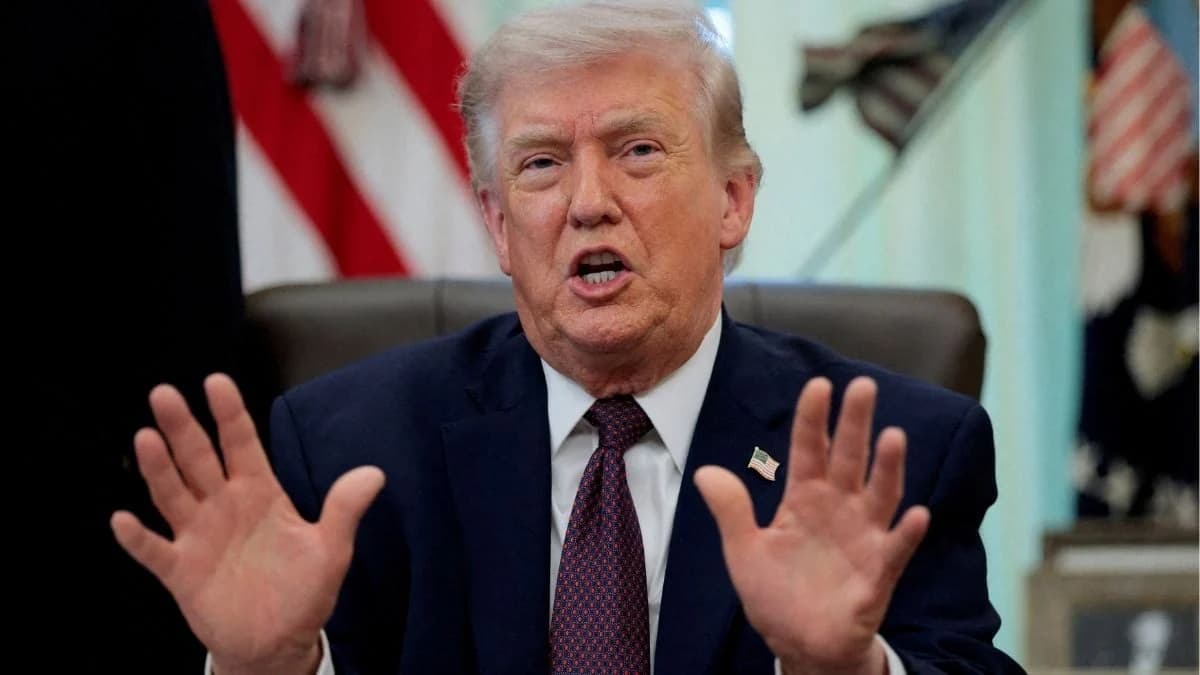

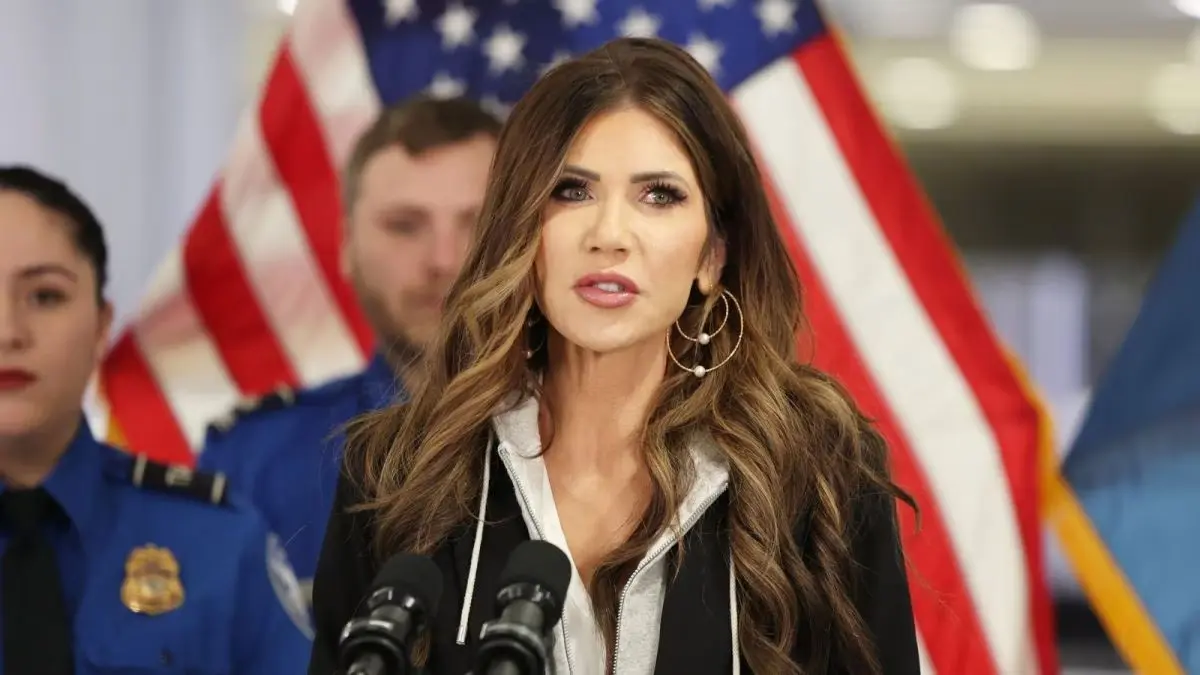
A federal appeals court has said that the Trump administration's decision to take away Temporary Protected Status (TPS) from hundreds of thousands of Venezuelans was illegal because Homeland Security Secretary Kristi Noem went beyond what the law allowed her to do.
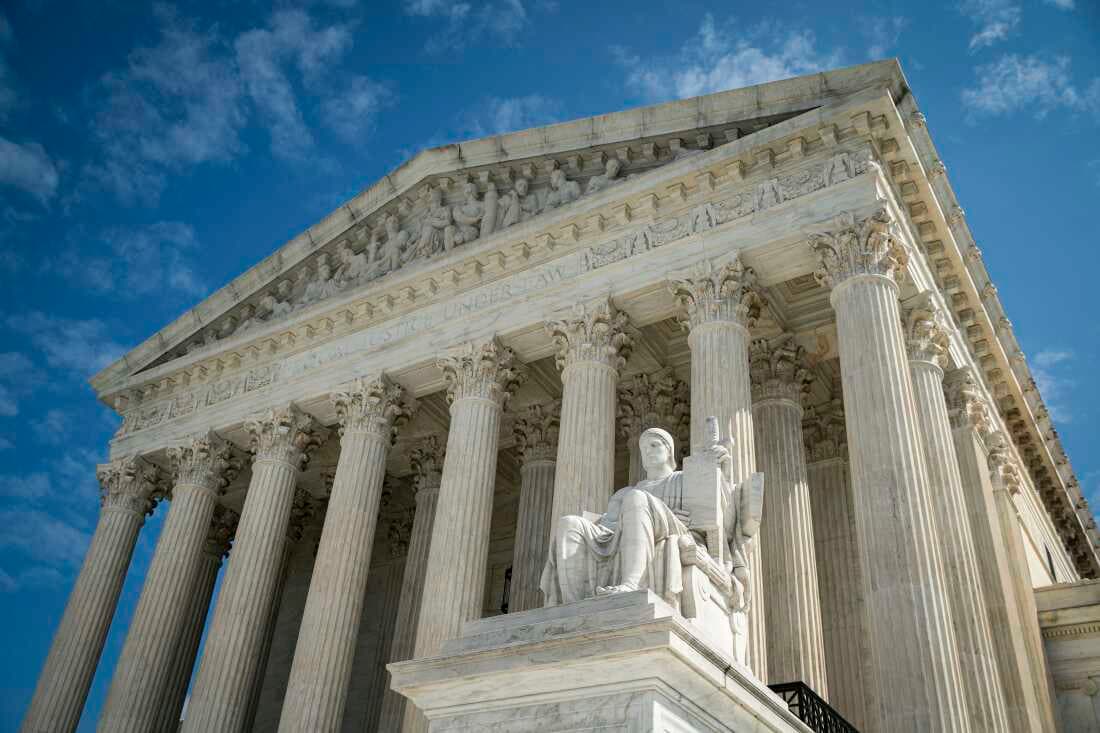
Late on Wednesday, a three-judge panel of the 9th U.S. Circuit Court of Appeals upheld a lower court's decision that Noem did not have the authority under federal law to end Venezuela's existing TPS designation. The panel also agreed that her partial ending of protections for Haitians went too far under the law.
The decision makes it clear that TPS, which Congress made in 1990, gives people from countries with problems like violence, disasters, or instability temporary protection from deportation and the right to work. It gives holders a sense of security, but it doesn't lead to citizenship. Noem said that things had gotten better in both countries and that extensions were not in the best interests of the country.
"The law has a lot of procedural protections that make sure that people with TPS can count on and feel safe during times of extraordinary and temporary conditions in their home country.
— Judge Kim Wardlaw wrote for the panel
The decision says that many TPS holders—hardworking parents, spouses of U.S. citizens, and taxpayers with clean records—could be deported or put in jail if they lost their status.
Venezuela is still in crisis, with political unrest, an economic collapse, and a mass exodus. Haiti's TPS started after the 2010 earthquake and is still in place despite gang violence and hunger.
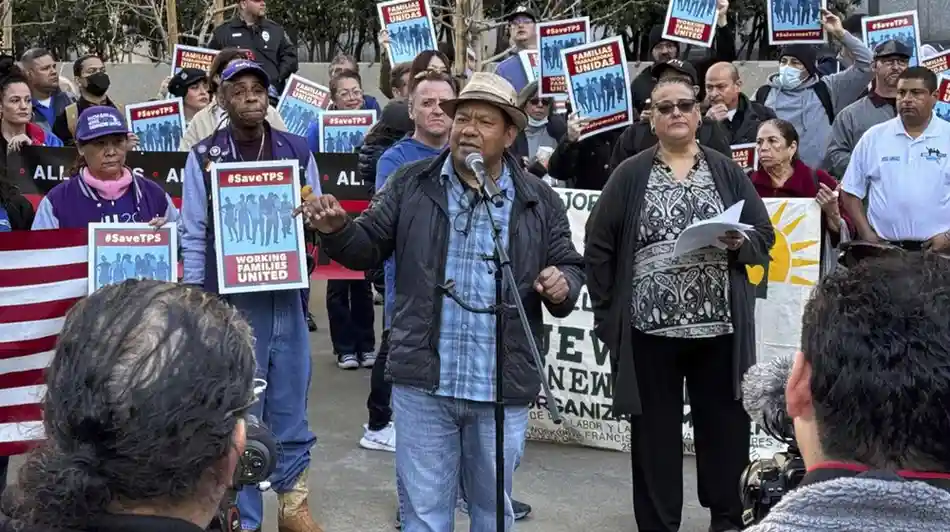
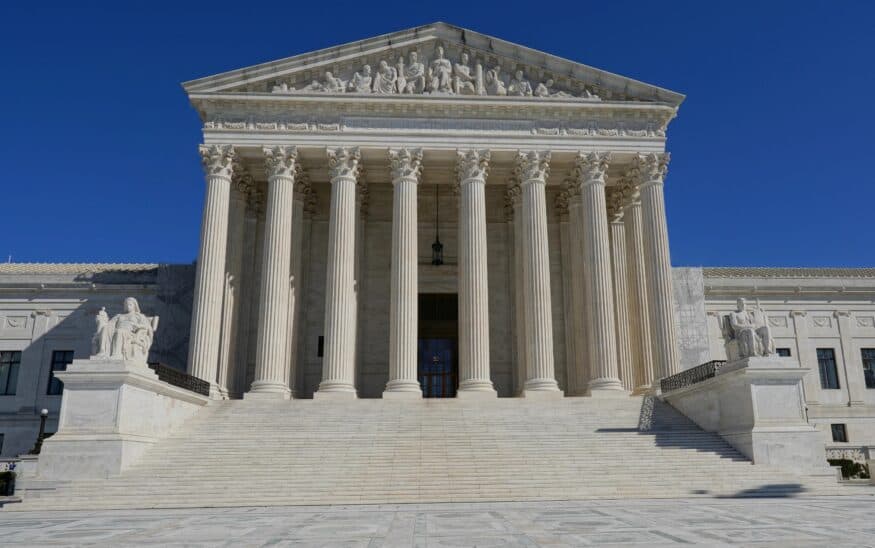
The ruling doesn't have any immediate effects because the Supreme Court let terminations go ahead in October 2025, pending final review. This will probably lead to another fight in the high court.
Important Results from the 9th Circuit
Kim Wardlaw (a Clinton appointee), Salvador Mendoza Jr., and Anthony Johnstone (all Democratic nominees) were the judges. They said that Congress never gave the secretary the power to "vacate" previous TPS decisions, which was meant to protect stability.
Judge Mendoza agreed and said that there was evidence of racial and national-origin bias in Noem's actions, which he called "preordained" and based on stereotypes instead of policy differences.
A brief history of TPS and the countries that are part of it
When it is not safe for people to go back to their home countries, TPS lets the DHS secretary choose those countries for 6 to 18 months (with the option to extend). Venezuela is in trouble because of hyperinflation, corruption, and unrest. Haiti is in trouble because of the aftermath of the 2010 earthquake and ongoing violence and famine.
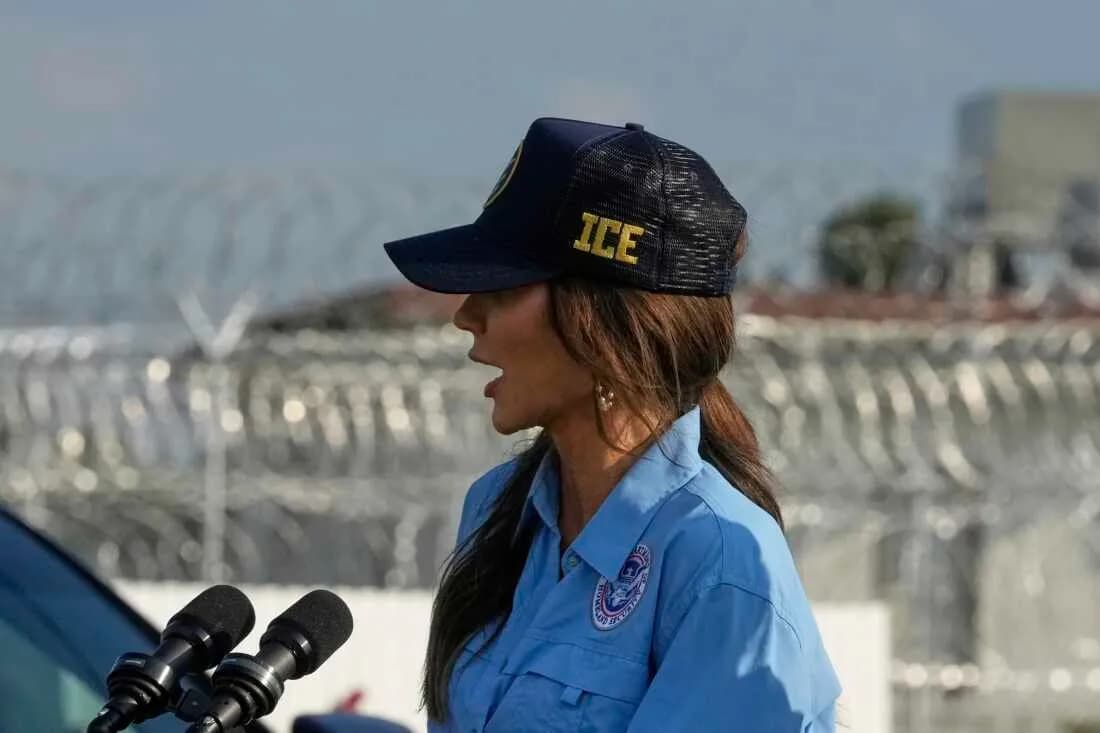
Main Points of the Ruling
The government said that they had a lot of freedom and that their decisions couldn't be reviewed, so they weren't biased. The court disagreed, saying that the actions were random, unfair, and not allowed by law.
✓ No legal power to remove existing TPS designations
✓ A lot of harm to TPS holders and their families
✓ evidence that the reasoning was pretextual and that there was animus
✓ The end of Haiti TPS is coming up on February 3, 2026, but there is still a separate challenge going on
DHS did not respond right away to requests for comment on the ruling.
What This Means for the Future
The appeals court ruled against the administration, but the Supreme Court's earlier stay means that current terminations will stay in place for now. The Supreme Court could decide the future of TPS for Haitians and Venezuelans.
The case shows how hard it is to balance humanitarian protections with claims of executive power and national interest in U.S. immigration policy.
Noem's illegal actions have had real and serious effects on Venezuelans and Haitians in the United States who depend on TPS.— Judge Kim Wardlaw
As the lawsuit goes on, hundreds of thousands of people are stuck in limbo, facing possible deportation while their home countries are still in crisis. This decision shows that making changes to programs created by Congress on your own has its limits.
This article is based on reporting from the Associated Press and the official 9th Circuit opinion.