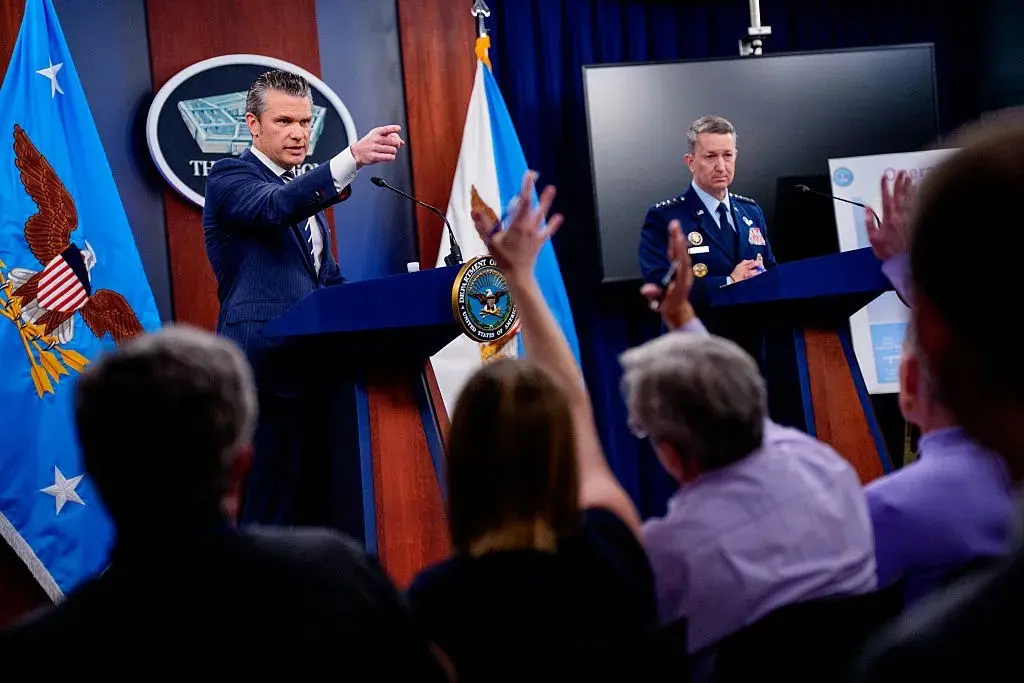

A shutdown for the Department of Homeland Security appeared certain Thursday as lawmakers in the House and Senate were set to leave Washington for a 10-day break and negotiations with the White House over Democrats’ demands for new restrictions had stalled.
Democrats and the White House have traded offers in recent days as the Democrats have said they want curbs on President Donald Trump’s broad campaign of immigration enforcement. They have demanded better identification for U.S. Immigration and Customs Enforcement and other federal law enforcement officers, a new code of conduct for those agencies and more use of judicial warrants, among other requests.
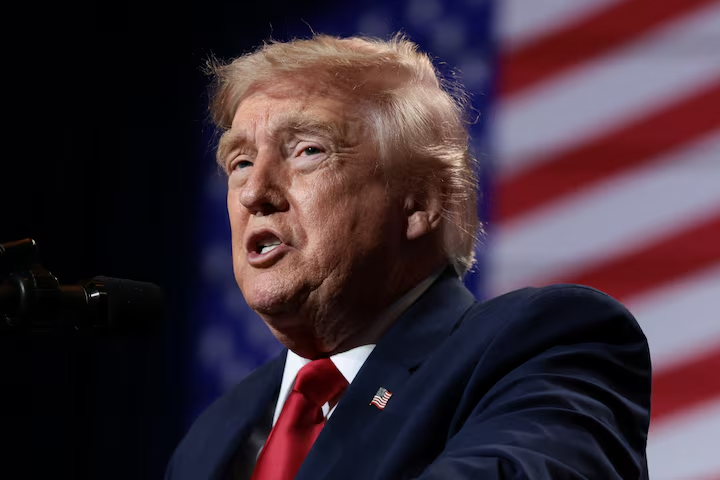
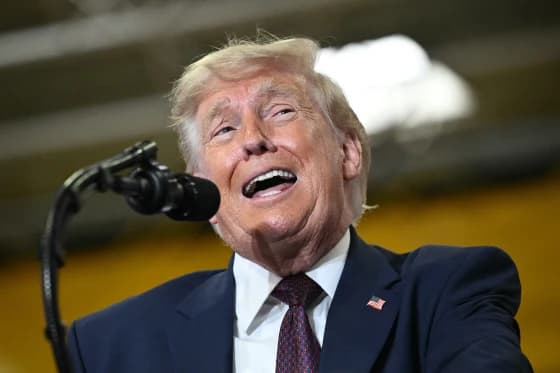
The White House sent its latest proposal late Wednesday, but Trump told reporters on Thursday that some of the Democratic demands would be “very, very hard to approve.”
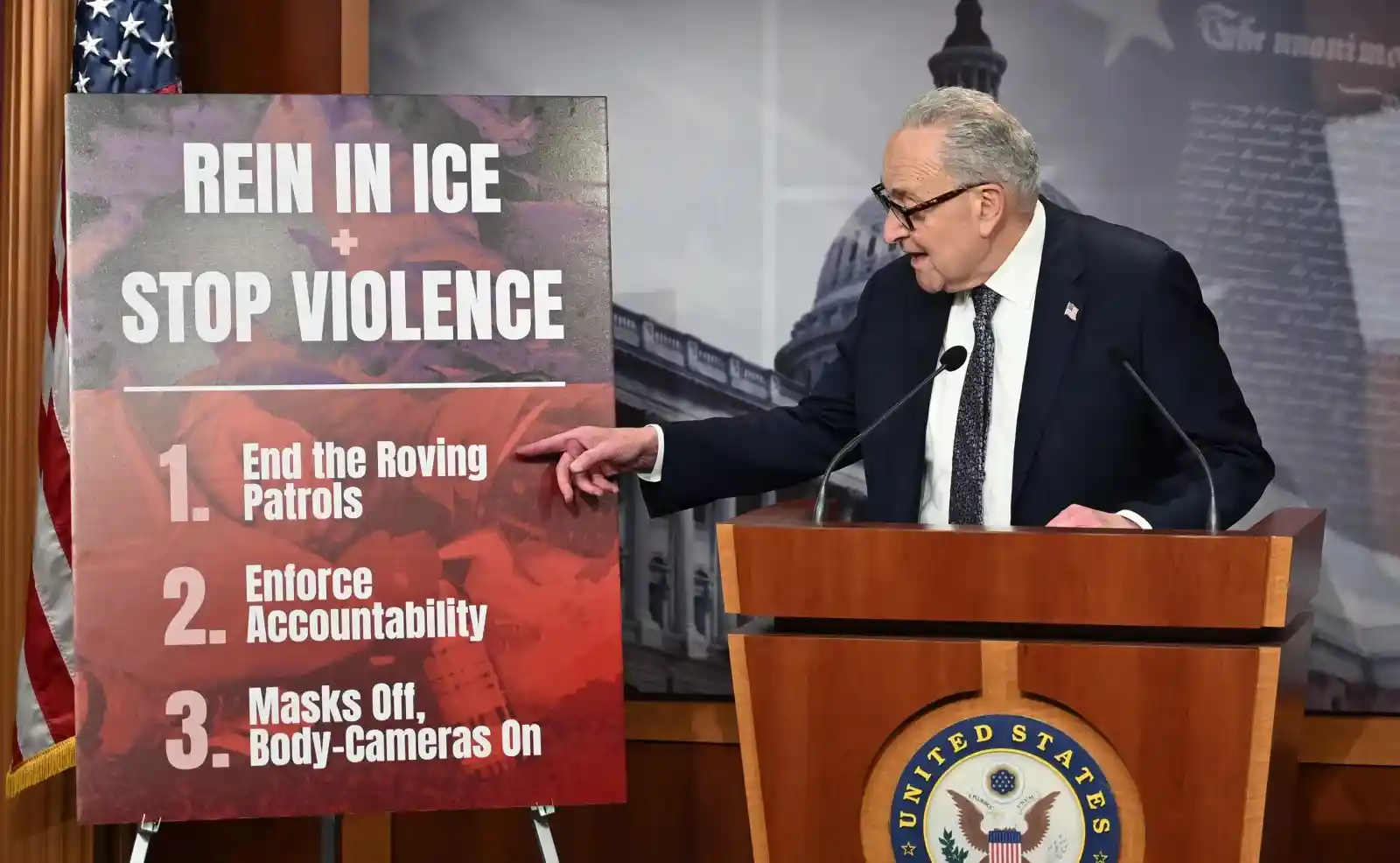
Democrats said the White House offer, which was not made public, did not include sufficient curbs on ICE after two protesters were fatally shot last month. The offer was “not serious,” Senate Democratic Leader Chuck Schumer of New York said Thursday, after the Senate rejected a bill to fund the department.
"Americans want accountability and “an end to the chaos.” The White House and congressional Republicans must listen and deliver.
— Chuck Schumer, Senate Democratic Leader
Lawmakers in both chambers were on notice to return to Washington if the two sides struck a deal to end the expected shutdown. Sen. Patty Murray, the top Democrat on the Senate Appropriations Committee, told reporters that Democrats would send the White House a counterproposal over the weekend.
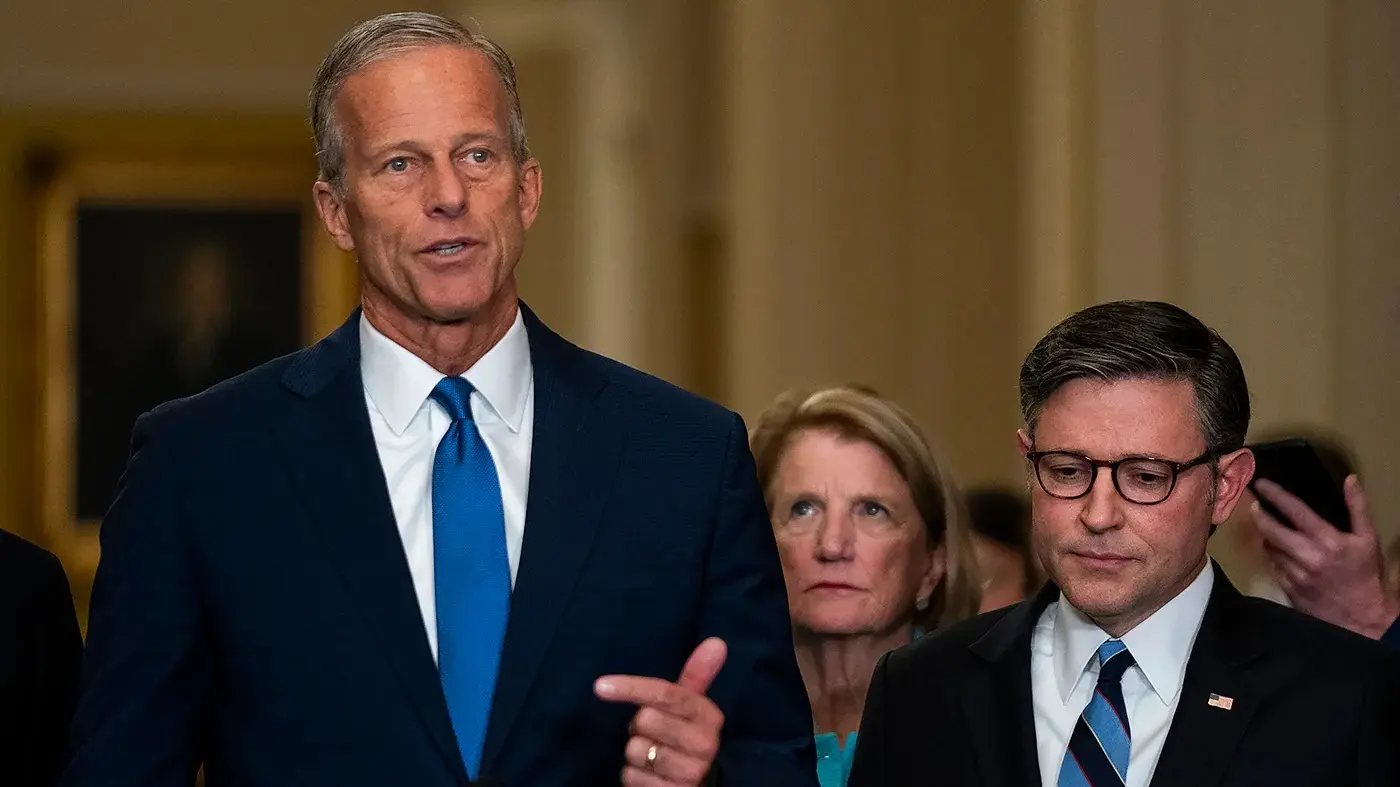
Senate Majority Leader John Thune, R-S.D., said after the vote that a shutdown appeared likely and “the people who are not going to be getting paychecks” will pay the price.
Impact of a Homeland Security Shutdown
The impact of a DHS shutdown is likely to be minimal at first. It would not likely block any of the immigration enforcement operations, as Trump’s tax and spending cut bill passed last year gave ICE about $75 billion to expand detention capacity and bolster enforcement operations.
But the other agencies in the department — including the Transportation Security Administration, the Federal Emergency Management Agency, the Secret Service and the Coast Guard — could take a bigger hit over time.
Trump Defends Officer Masking Amid Demands
Trump, who has remained largely silent during the bipartisan talks, noted Thursday that a recent court ruling rejected a ban on masks for federal law enforcement officers. “We have to protect our law enforcement,” Trump told reporters.
Democrats made the demands for new restrictions on ICE and other federal law enforcement after ICU nurse Alex Pretti was shot and killed by a U.S. Border Patrol officer in Minneapolis on Jan. 24. Renee Good was shot by ICE agents on Jan. 7.
Key Democratic Demands
Schumer and House Democratic leader Hakeem Jeffries of New York have said they want immigration officers to remove their masks, to show identification and to better coordinate with local authorities.
They have also demanded a stricter use-of-force policy for the federal officers, legal safeguards at detention centers and a prohibition on tracking protesters with body-worn cameras.
✓ Remove masks for immigration officers
✓ Show identification clearly
✓ Better coordination with local authorities
✓ Stricter use-of-force policies
✓ Legal safeguards at detention centers
✓ End indiscriminate arrests
✓ Require verification of citizenship before detention
Sticking Points and Partisan Tensions
Thune suggested there were potential areas of compromise, including on masks. There could be contingencies “that these folks aren’t being doxed,” Thune said. “I think they could find a landing place.”
But Republicans have been largely opposed to most of the items on the Democrats’ list, including a prohibition on masks. Sen. Eric Schmitt, R-Mo., said Republicans who have pushed for stronger immigration enforcement would benefit politically from the Democratic demands.
Judicial warrants remain a major sticking point. Thune indicated that the issue of warrants “is going to be very hard for the White House or for Republicans.”
This is an exceptional moment in this country’s history.— Chris Murphy, Connecticut Senator
Simmering partisan tensions played out on the Senate floor immediately after the vote, as Alabama Sen. Katie Britt tried to pass a two-week extension of Homeland Security funding and Democrats objected.
Britt said Democrats were “posturing” and that federal employees would suffer for it. “I’m over it!” she yelled. Murphy responded that Democrats “want to fund the Department of Homeland Security, but only a department that is obeying the law.”