
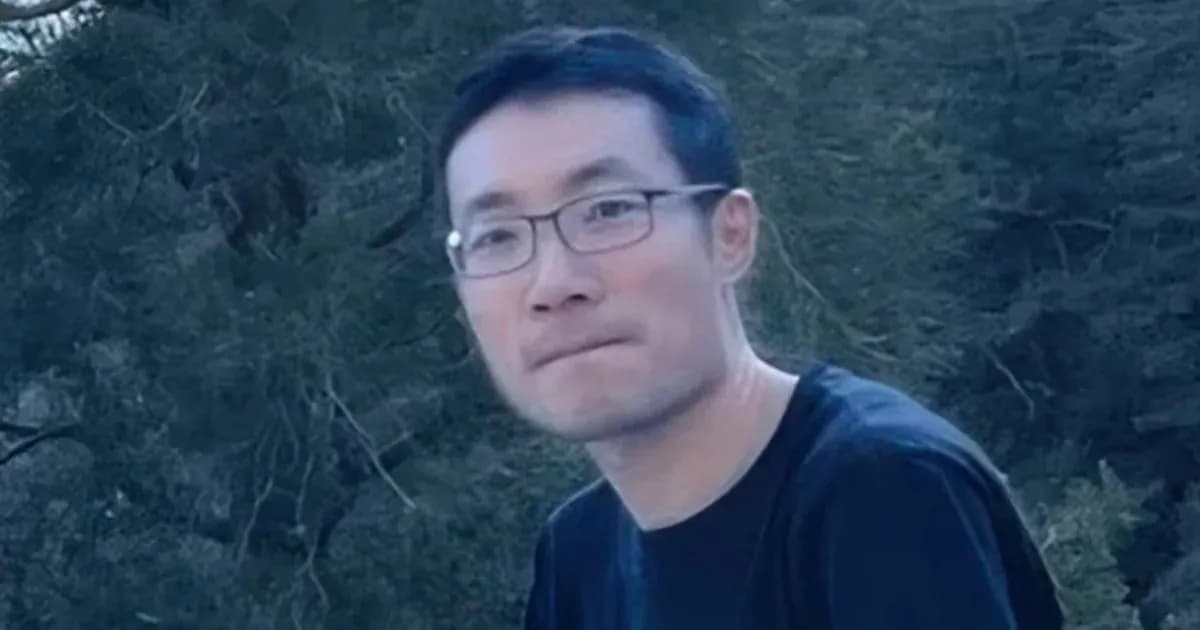
A Chinese national who secretly documented detention camps in Xinjiang has been released from U.S. immigration custody after successfully obtaining asylum.
Guan Heng walked free on Tuesday and was reunited with his mother after an immigration judge granted him asylum, concluding he faces a genuine risk of persecution if deported to China. The ruling came nearly a week before his release.
Speaking to reporters the following day, the 38-year-old said he felt emotionally numb at first. “Yesterday I still felt like I was inside the facility,” he explained, “but today friends have come to see me and it finally feels real.”
Guan is currently staying temporarily in Binghamton, New York, and has not yet decided on long-term plans.
"For five and a half months I barely slept properly. Today I finally feel at ease.
— Luo Yun, Guan Heng’s mother
Guan’s mother, Luo Yun, traveled from Taiwan to support her son during his detention. She described months of anxiety and sleepless nights, saying the release brought her immense relief.
The outcome is unusual in the current immigration climate since President Trump’s return to office. Guan had previously faced the possibility of deportation to Uganda — a plan abandoned in December after public attention and concern from lawmakers grew.
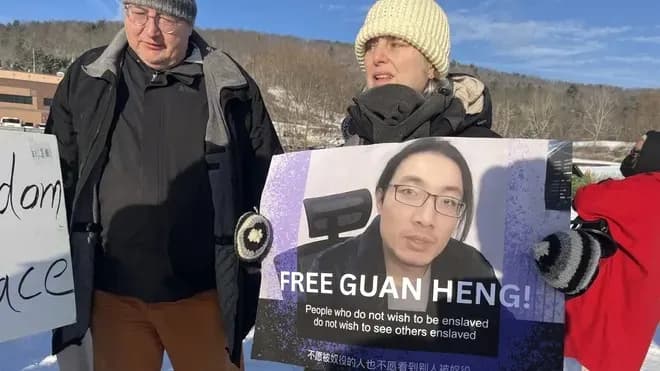
The Department of Homeland Security has 30 days to appeal the January 28 asylum decision but has not yet announced whether it will do so.
Background and Congressional Response
Rep. Ro Khanna (D-CA), ranking member of the House Select Committee on the Chinese Communist Party, called Guan’s prolonged detention unnecessary. He described the release as proof that legal protections and moral responsibility to shield whistleblowers must work together.
Khanna promised to push for greater openness in how similar cases are handled.
Documenting Abuses in Xinjiang
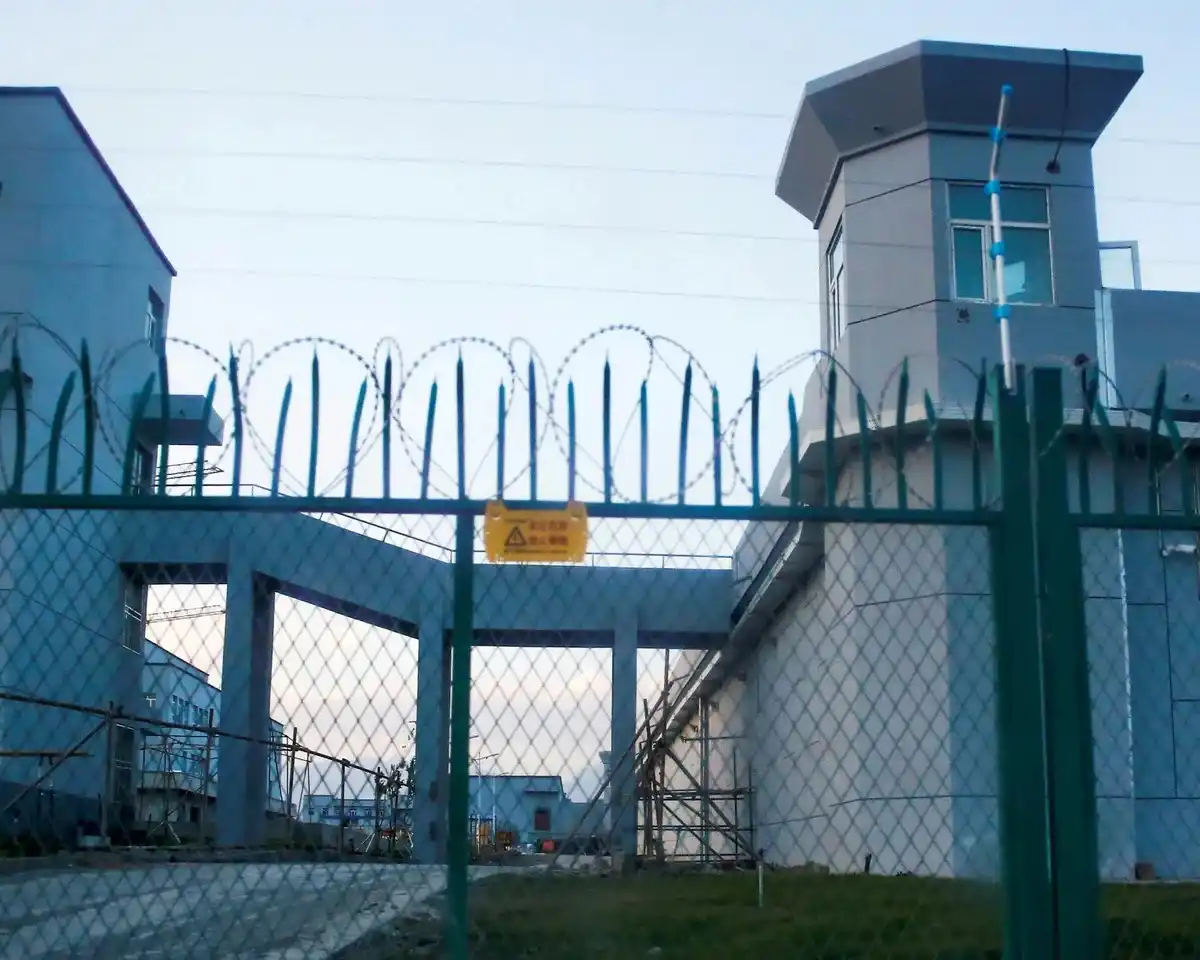
In 2020, Guan covertly recorded inside detention facilities in Xinjiang, helping build visual evidence of what human rights organizations describe as mass internment of Uyghurs and other ethnic minorities — with estimates reaching up to one million people.
Chinese authorities reject the accusations, insisting the facilities are voluntary vocational centers designed to teach job skills and discourage extremism. Beijing has used extensive measures to suppress discussion of its Xinjiang policies.
U.S. Government Position
While not commenting directly on Guan’s case due to confidentiality rules, the U.S. State Department has repeatedly condemned China’s actions in Xinjiang as genocide, crimes against humanity, and severe religious persecution.
Journey and Motivation
During his asylum hearing, Guan explained that his original purpose was not to seek protection in the United States, but to show the world the suffering of Uyghurs he witnessed.
Realizing the danger of publishing the material inside China, he left for Hong Kong, then traveled visa-free to Ecuador, followed by the Bahamas. He uploaded the majority of his recordings to YouTube shortly before reaching Florida by boat in October 2021.
I wasn’t sure I would survive the boat journey. I wanted to make sure the footage reached people no matter what happened to me.— Guan Heng, during asylum hearing
Guan’s release marks a rare positive outcome for an asylum seeker in a period of tightened immigration enforcement, highlighting both the personal risks faced by those who expose rights violations and the continuing international debate over China’s policies in Xinjiang.