
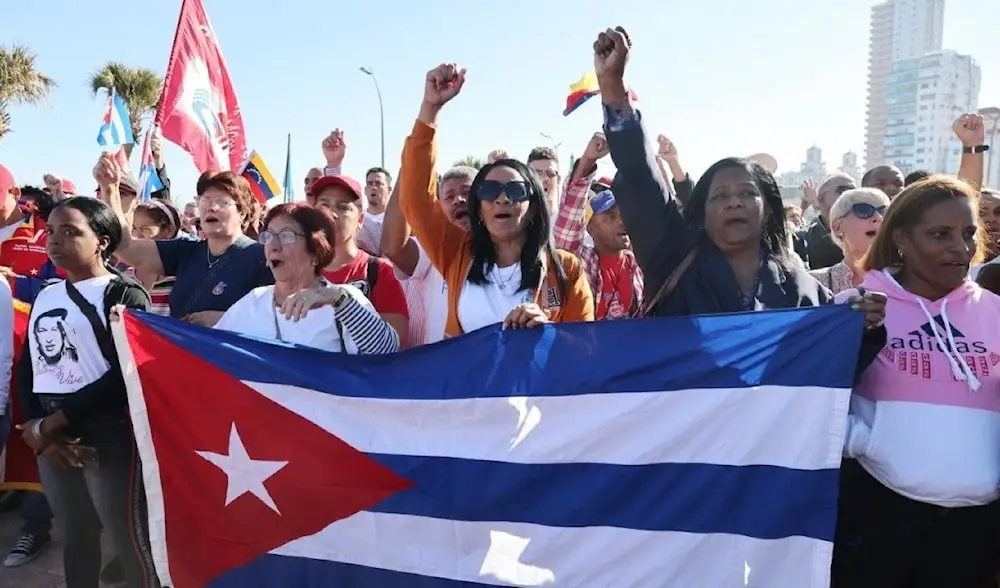
Cuba has strongly denied claims that it is a security threat to the United States, but it has said it is open to polite talks with Washington that lead to results.
The Cuban Foreign Ministry said in a statement on Monday that Havana does not support terrorism and has a zero-tolerance policy for funding or supporting extremist activities. The remark came at a time when tensions were rising quickly after Venezuelan President Nicolás Maduro was ousted last month.
The statement made it clear that both the Cuban and American people would gain from working together in a real way and living in peace. Cuba said again that it was ready to talk with the US in a respectful way that was based on shared interests and international law.
"The Cuban and American people both benefit from working together in a positive way, cooperating in a legal way, and living together peacefully.
— The Cuban Ministry of Foreign Affairs
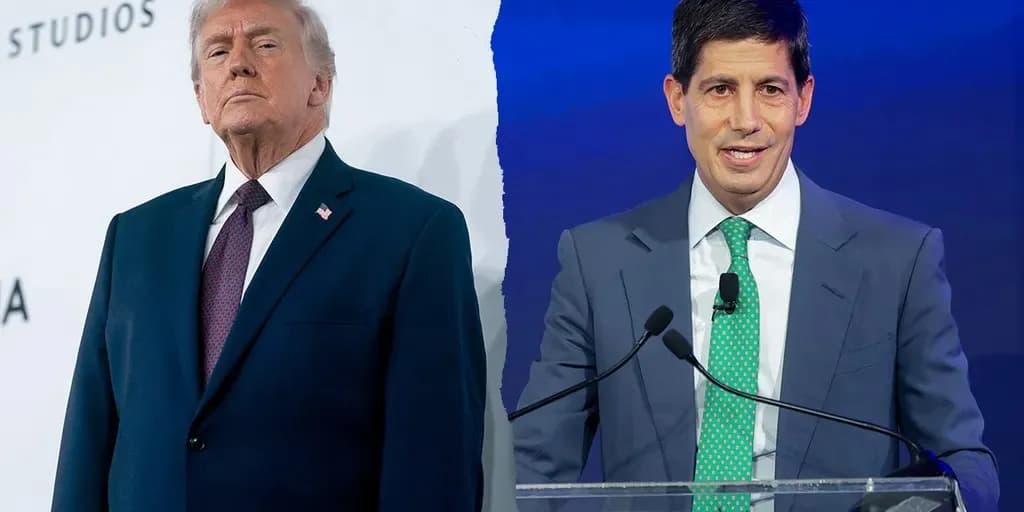
After President Trump's recent comments that suggested contact with high-ranking Cuban officials had been reestablished, the new diplomatic tone has emerged. Trump called Cuba a "failing nation" that has been around for a long time and is now without help from Venezuelan oil.
For years, Venezuela was Cuba's main source of energy. Since Maduro stepped down, shipments of oil have pretty much stopped. Recently, the US has worked harder to stop Venezuelan ships from going to Cuba. Some people have called this economic coercion that is almost piracy.
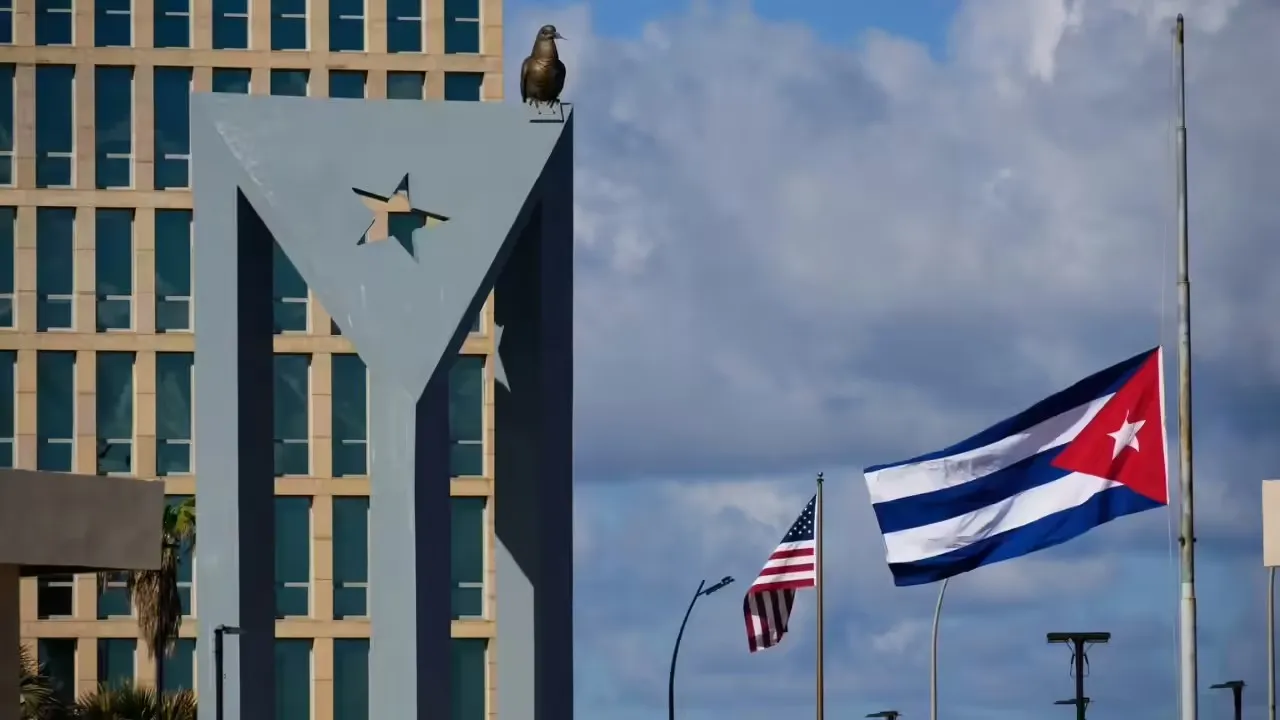
Mexico and other countries are also being told to stop sending oil to Cuba. Experts are worried that a full energy blockade could lead to a major humanitarian crisis on the island.
The history of tensions between the US and Cuba
Since the Cuban Revolution in 1959, relations between Washington and Havana have been very tense. Trump put Cuba back on the list of state sponsors of terrorism in 2021, during his first term in office. The White House said last week that the Cuban government was a "unusual and extraordinary threat" to US interests and that it was working with China, Russia, and other "malign actors."
Havana's response strongly denied the accusations, saying that Cuba does not host any foreign military or intelligence bases and is fully committed to international standards for fighting terrorism and money laundering.
Concerns for People and the Region
The Cuban government stressed the long history of ties between Cuba and Venezuela, saying that more than 50 Cubans died during the operation that brought down Maduro. Pope Leo XIV was worried about the growing crisis and urged everyone to have real conversations and stay away from actions that could make life worse for ordinary Cubans.
Key Parts of Cuba's Declaration
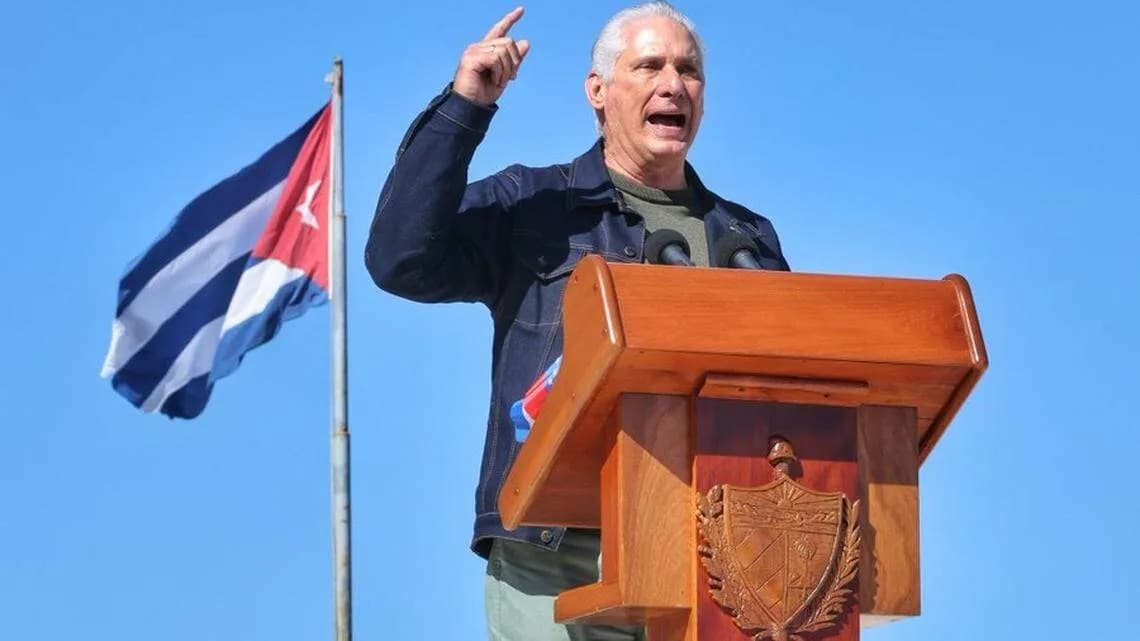
The Foreign Ministry said again that Cuba is committed to international law and living peacefully with others. It also denied claims that it supports terrorism or extremism.
✓ Cuba says it doesn't pose any security threat to the United States
✓ Starts a conversation based on respect for each other and international law
✓ Doesn't allow foreign military or intelligence bases on its land
✓ Has a zero-tolerance policy for funding terrorism and money laundering
Trump has hinted that better treatment of Cuban Americans, who make up a large voting group in Florida, is one of his top priorities in his dealings with Havana.
What Happens Next
In the next few weeks, we'll find out if new diplomatic efforts can lead to real de-escalation or if economic pressure, especially on energy supplies, will get worse.
The White House still says that Cuba is a regional threat that works with countries that aren't friendly. Cuba, on the other hand, says it only wants peaceful cooperation and respect for sovereignty.
Cuba makes it very clear that it does not support, fund, shelter, or let extremist or terrorist groups operate.— Cuban Ministry of Foreign Affairs
The situation is still dangerous, with humanitarian needs growing and oil supplies almost completely cut off. People will be watching closely to see if the next chapter in US-Cuba relations is marked by dialogue or conflict.
In the next few weeks, we'll see if economic pressure leads to concessions or makes the long-standing split even worse.