
A federal appeals court has said that a Maryland school district's policy on using the names and pronouns that transgender students prefer does not violate the constitutional rights of a Christian substitute teacher.
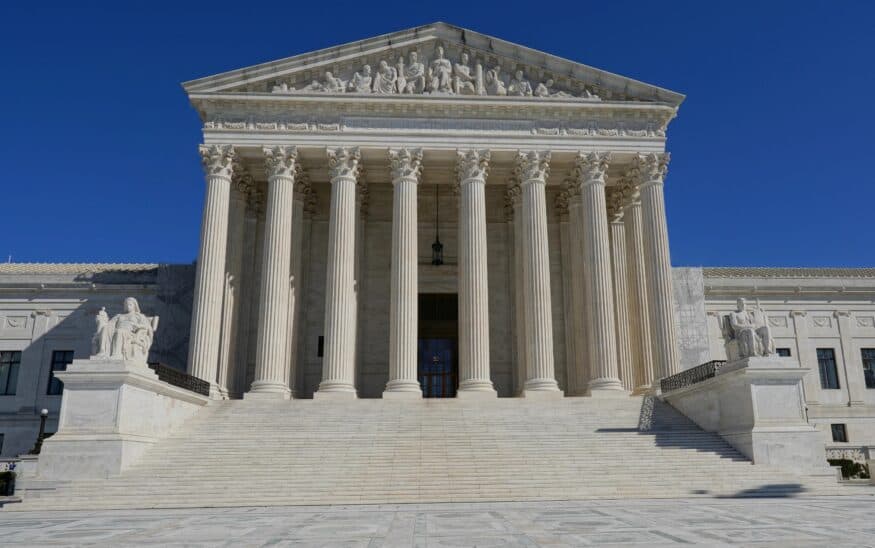
The U.S. Court of Appeals for the 4th Circuit agreed with a lower court's decision to throw out claims made by former Montgomery County Public Schools substitute teacher Kimberly Polk last Wednesday. She said that the district's rules broke her First Amendment rights to free speech and the right to practice her religion.
Polk started working as a substitute teacher in 2021 and didn't like the policy because of her religious beliefs, which she based on her understanding of Christian teachings and the Bible. She stopped working and filed a lawsuit in 2024 after the district turned down her request for a religious exemption.
"The Board, not judges, makes decisions about things like what subjects to teach and how teachers should teach them. And it is the Board, not individual teachers, that responds to the people in a democratic way.
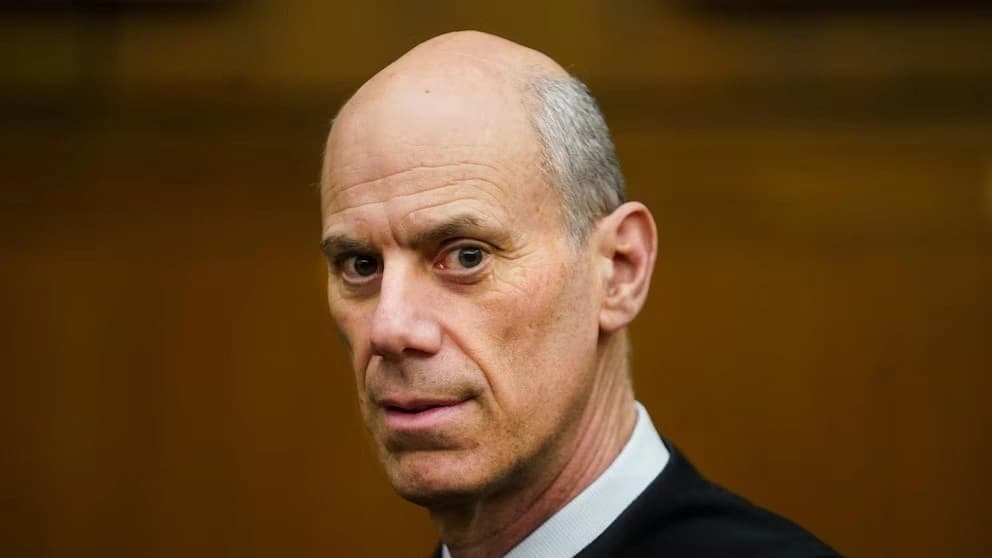
— Judge Robert B. King
The district said that teachers, as public employees, speak for the school board when they talk to students. The lower court agreed and said that following the name and pronoun policy was part of Polk's job.
The 4th Circuit panel voted 2-1 that Polk did not show that the policy was hostile to her faith or that it made it very hard for her to practice her religion. The majority stressed that school boards, not individual teachers or courts, make the rules for the classroom and the curriculum.

The ruling said that parents and teachers who don't like the policy can voice their concerns in a democratic way, like by voting for school board members.
Size and Possible Effects
The 4th Circuit's ruling affects all of Maryland, Virginia, North Carolina, South Carolina, and West Virginia, and it could help settle similar cases in those states.
On Friday, Polk's lawyers said they were thinking about appealing to the U.S. Supreme Court.
Cases that are similar and the national context
The Maryland decision is different from a case in California where a federal judge first stopped a school district's policy that kept teachers from telling parents about a student's gender identity. The 9th Circuit later put that injunction on hold, and the plaintiffs have asked the Supreme Court to step in.
What the Ruling Means
School districts can make rules about what names and pronouns staff can use.
Teachers in public schools do not have the right under the First Amendment to refuse to follow rules in the classroom.
Religious objections alone do not automatically supersede workplace regulations.
Conflicting decisions from different circuits make it more likely that the Supreme Court will look at the case.
✓ The 4th Circuit agrees with the school district
✓ The teacher's claims of free speech and religion were thrown out
✓ The policy is seen as part of the teacher's job
✓ There may be an appeal to the Supreme Court
Both cases show that there are still legal fights going on about how to balance the rights of transgender students with the religious freedoms of teachers.
What This Means for the Future
The decision makes it easier for school districts to enforce policies that support gender-affirming language in the classroom. It could change how similar lawsuits are handled in the Mid-Atlantic area.
People who support LGBTQ+ students see the ruling as a win for schools that are open to everyone.
If teachers and parents don't agree with the Guidelines, there are democratic ways to deal with their problems.— Judge Robert B. King
The U.S. Supreme Court may eventually decide whether these kinds of policies violate teachers' religious rights, since different circuits have come to different conclusions. The Maryland policy will stay in place until then.