
For nearly sixty years, companies with 100 or more workers had to tell the federal government the racial and gender makeup of their staff. That ends now, if the Trump administration gets its way.
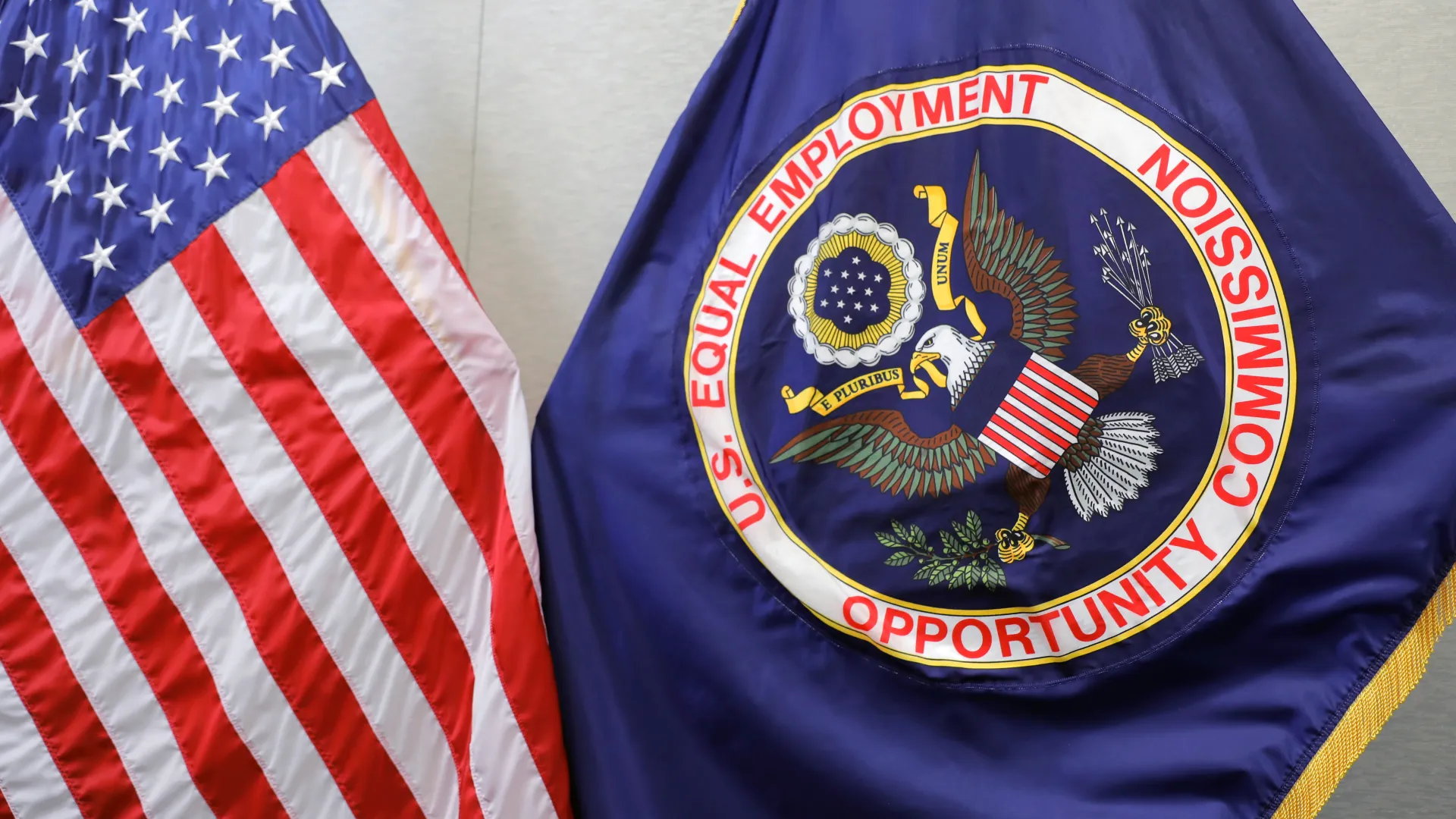
The Equal Employment Opportunity Commission voted 2-1 on July 21 to formally propose scrapping the EEO-1 reporting system, a Republican-led move that would relieve more than two million employers of an annual paperwork requirement dating back to 1966.
Sounds like a routine deregulation story. It isn't quite that simple, and civil rights groups say the numbers being erased are exactly the ones used to catch discrimination in the first place.
"It may promote racial stereotyping at work, and it may encourage employers to engage in discrimination.
— Andrea Lucas, EEOC Chair
The reports at stake, known as EEO-1 through EEO-6, require covered employers, unions, school systems and local governments to break down their workforces by race, sex and job category and hand the totals to the EEOC each year.
Lucas, who leads the Republican majority on the three-member commission, argued the mandate does the opposite of its intended job. She told a hearing before the vote that sorting workers by race invites the kind of bias the law was written to prevent.
The EEOC estimates the current system costs employers close to $275 million a year to comply with, a figure the agency cites as its main justification for the rollback.
A Pattern, Not an Isolated Move
This is not the administration's first swing at workplace demographic tracking. Trump's January 2025 executive order already stripped federal contractors of their obligation to maintain affirmative action plans, even though it left underlying civil rights law intact.
Earlier this year, the EEOC quietly skipped opening its usual spring data collection window, then sent agencies instructions in June letting them drop details on diversity programs and gender identity from their own workforce reports. Tuesday's vote extends that same posture to the private sector.
What Critics Say Gets Lost
Ten Democratic lawmakers, led by Sen. Lisa Blunt Rochester of Delaware and Rep. Jerrold Nadler of New York, pressed Lucas earlier this year to keep the data collection running without interruption. They argued the EEO-1 numbers are what allows the government to actually enforce anti-discrimination law rather than just write it.
What Still Applies
The EEOC's proposal would eliminate the reports and the recordkeeping duties tied to them, but not every obligation disappears.
✓ General personnel-record retention rules stay in place
✓ Records tied to an open discrimination charge must still be kept until it's resolved
✓ Language addressing the Pregnant Workers Fairness Act would be folded into the final rule
The agency reported handling more than 88,000 discrimination charges in fiscal year 2025, closing out over 90,000, a caseload that runs independent of the EEO-1 system.
What Happens Next
Nothing changes immediately. This is a proposed rule, not a finished one, and it still has to clear the standard federal rulemaking gauntlet.
Once the proposal is published in the Federal Register, the public gets 30 days to file comments. The EEOC has also scheduled a public hearing for August 11, with requests to testify due by August 7.
Even without a final rule, some employers are already moving on their own. Fast Company reported that two dozen companies in the S&P 100 voluntarily disclosed their workforce demographic breakdowns last year, ahead of any regulatory change.
The bottom line is that the EEOC does not want to require employers to collect demographic data about their workforces and report that data to the EEOC.— EEOC statement
Whether that voluntary trend spreads, or fades once the reporting requirement itself disappears, is the open question hanging over the next several months.