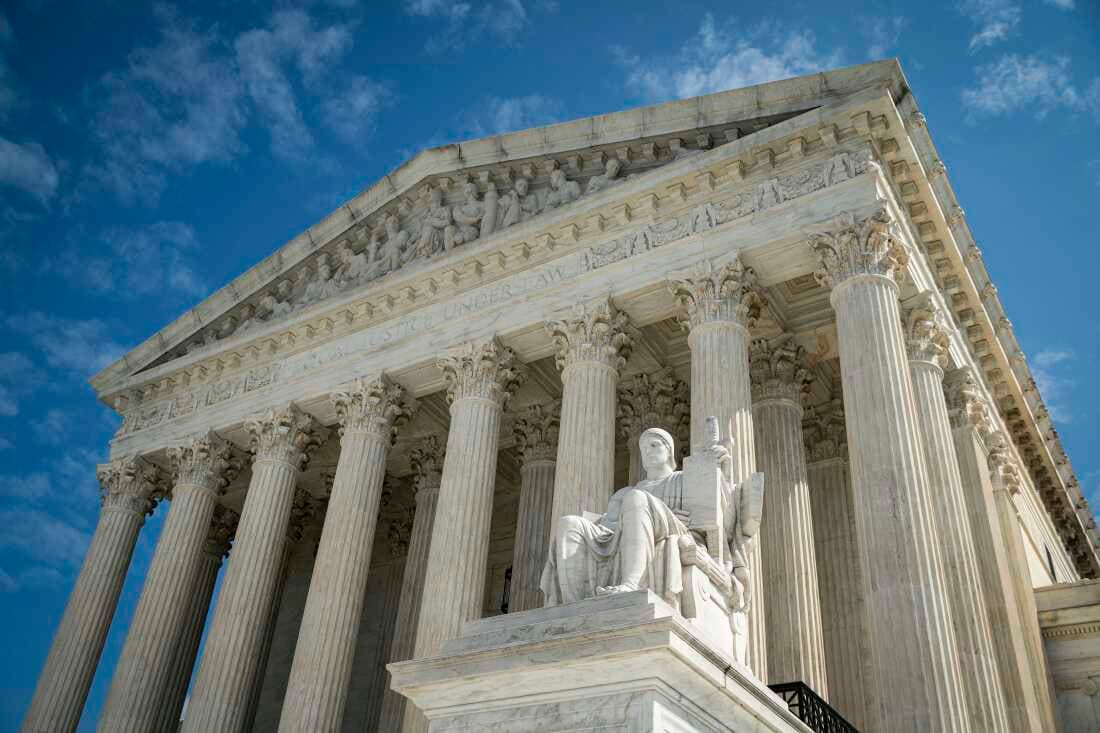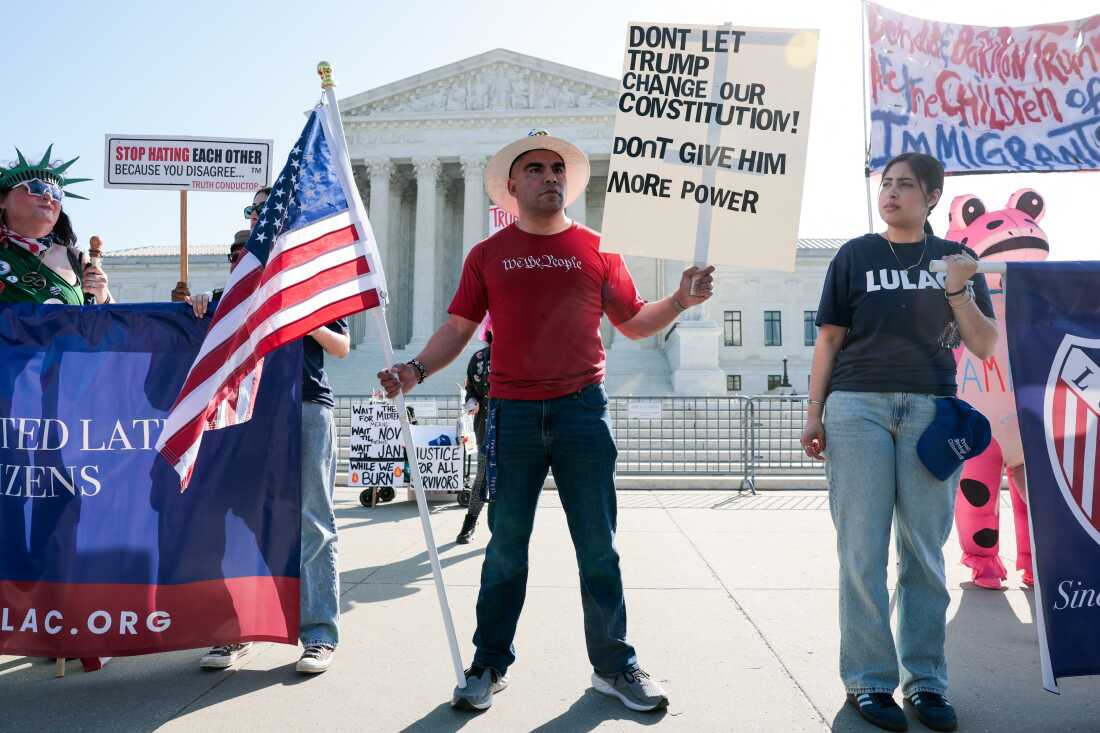

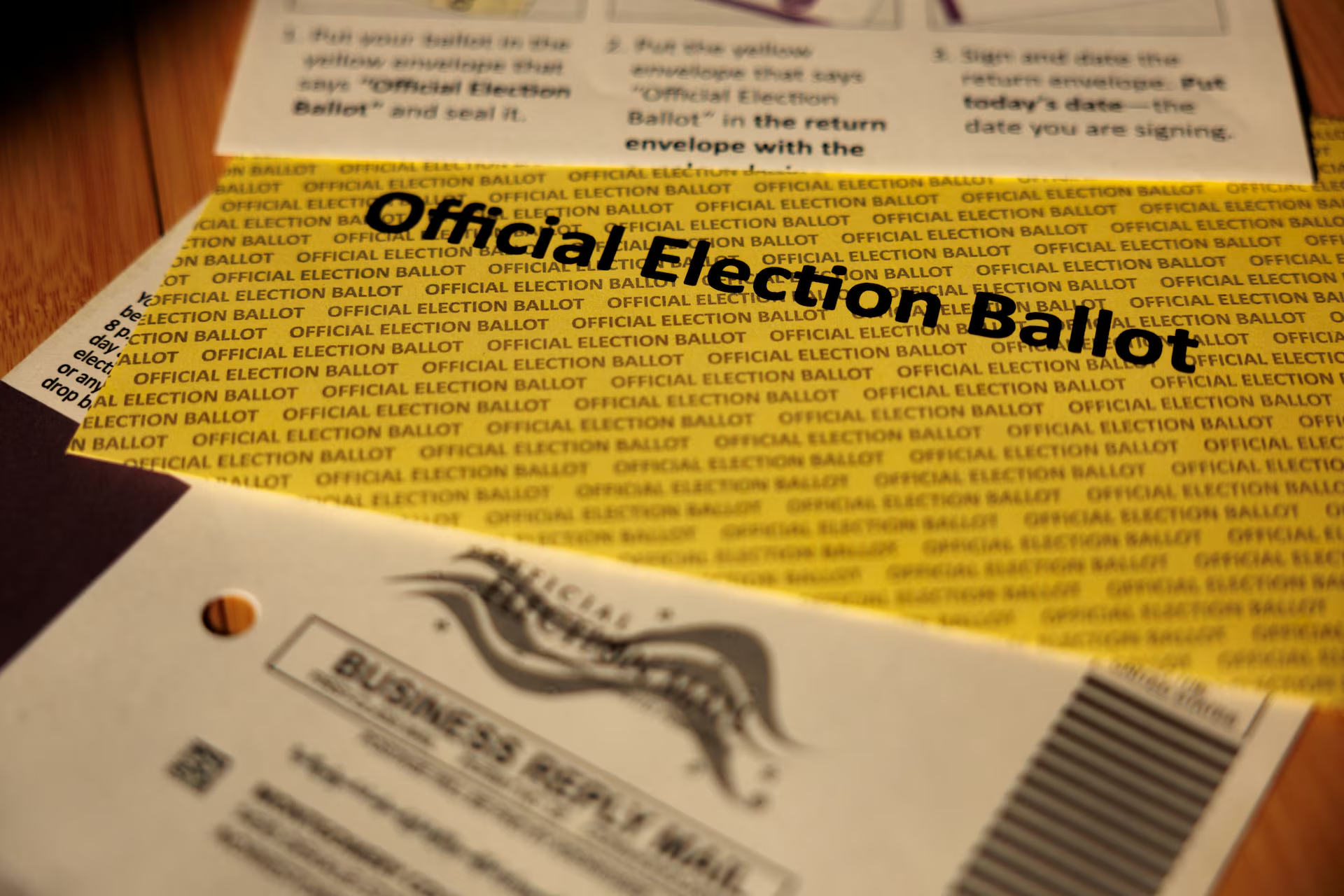
The Trump administration has gone back to the Supreme Court in an effort to enforce a new Postal Service rule that would tighten how mail-in ballots are handled, just weeks before voters head to the polls for the November midterms.
The Justice Department filed an emergency application on September 3, asking the justices to lift a temporary order from U.S. District Judge Indira Talwani that is currently blocking the rule. Talwani, who sits in Boston, found that the regulation likely runs afoul of the Constitution's allocation of election administration to the states, and that it would be extremely difficult for states to comply with on the eve of the midterms.
The rule stems from an executive order President Trump signed in March directing the Postal Service to overhaul its handling of mail ballots. Under the new standard, states would be required to supply USPS with lists of registered mail-ballot recipients and use standardized, barcoded envelopes for outbound and returned ballots. Ballots or envelopes that fall outside those specifications could be refused delivery.
This marks the second time in recent months the administration has turned to the Supreme Court over the same underlying dispute. On August 24, the Court's conservative majority lifted an earlier injunction against the president's executive order, ruling 6-3 that a coalition of largely Democratic-led states had sued prematurely — while leaving the door open for a renewed challenge once a final rule was actually issued. USPS published that final rule shortly afterward, prompting the states and several voting-rights organizations to sue again, which led to Talwani's latest, more specific injunction.
Rather than wait for the 1st U.S. Circuit Court of Appeals to rule on its pending request to pause Talwani's order, the Justice Department opted to go straight to the Supreme Court. In its filing, the administration argued the rule is an important federal policy meant to protect the integrity of mail delivery and prevent voter fraud through the mail system.
"Defendants did not file an appeal and did not seek, let alone obtain, a stay of the preliminary injunction.
— U.S. District Judge Indira Talwani
Critics, including the challenging states and voting-rights groups, argue the rule could disrupt the delivery of thousands of legitimate ballots given how little time remains before Election Day.
They also note that mail-in voters have historically skewed Democratic, meaning new restrictions could have an uneven partisan effect even if that isn't the rule's stated purpose.
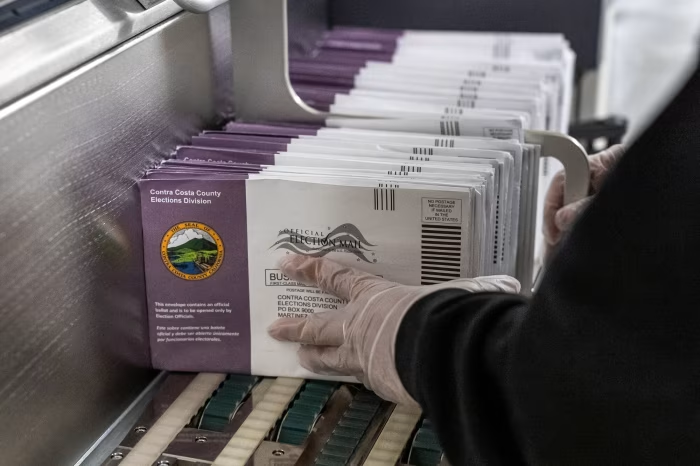
Trump has repeatedly questioned the security of mail-in voting since his 2020 loss to Joe Biden, though instances of proven voter fraud via mail ballots remain rare, according to election researchers and state officials.
What the Postal Service Rule Would Require
Under the final rule, states would need to hand over data identifying who is receiving a mail ballot and adopt USPS-approved envelope designs featuring unique tracking barcodes for both outbound and returned ballots.
The Postal Service would gain authority to decline delivery of ballots that don't meet those specifications, or that are tied to voters missing from the state-supplied lists — a step opponents say states cannot realistically implement before November 3.
Timeline of the Legal Fight
The dispute has moved quickly through the courts over the past several months, with both sides repeatedly returning to the Supreme Court's emergency docket.
Key Dates
The case has unfolded in stages, from the original executive order through two separate emergency appeals to the Supreme Court.
✓ March 2026 — Trump signs executive order directing USPS to overhaul mail-ballot handling
✓ August 24, 2026 — Supreme Court lifts an earlier injunction, 6-3, on procedural grounds
✓ August 27, 2026 — Judge Talwani issues a new 14-day block on the final USPS rule
✓ September 3, 2026 — DOJ files emergency application asking the Supreme Court to lift Talwani's latest order
Talwani also held a hearing on September 3 to weigh whether to convert her temporary block into a longer-term injunction.
What Happens Next
The Supreme Court has not indicated when it will rule on the administration's latest request. Because the case involves the Court's emergency, or 'shadow,' docket, a decision could come with little advance notice and without full briefing or oral argument.
If the justices grant the request, the USPS rule could take effect for the November midterms, potentially requiring states to move quickly to update ballot envelope designs and voter data-sharing systems.
If they decline, the rule would remain blocked while litigation continues in the lower courts, including Talwani's pending decision on a longer-term injunction.
It is the second time that the administration has turned to the Supreme Court as it defends Trump's directive against legal challenges by states and voting rights groups.— Reuters
The outcome could shape mail-in voting procedures nationwide just as both parties are locked in a tight fight for control of Congress in November.