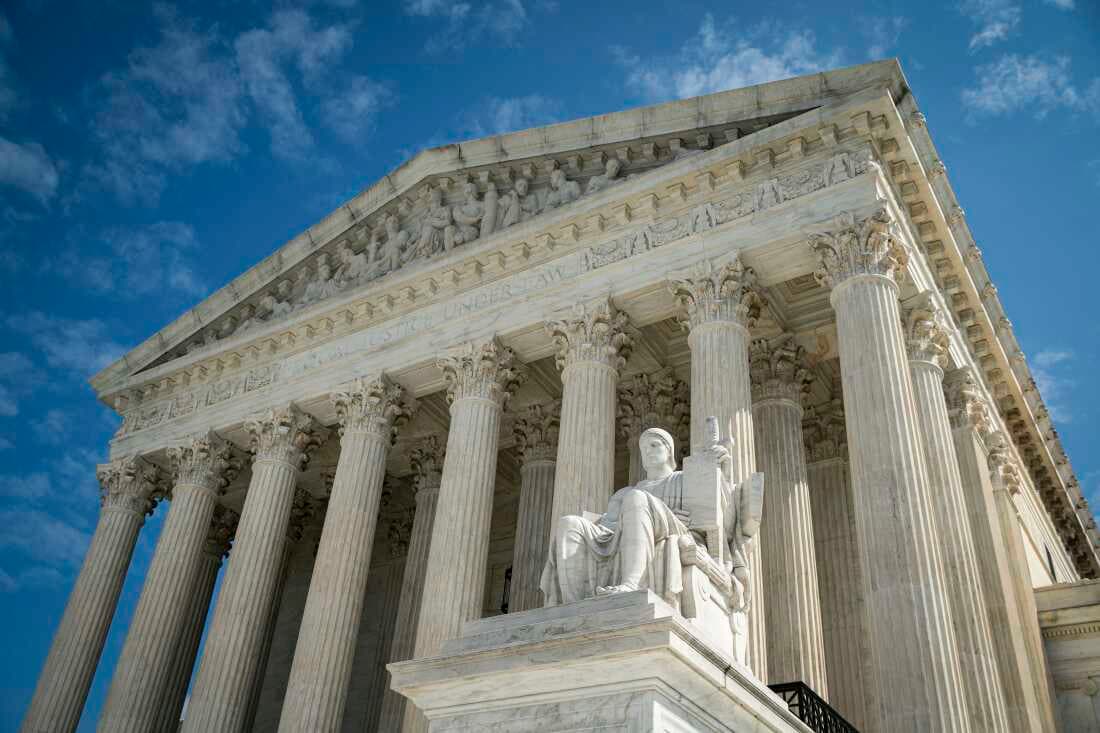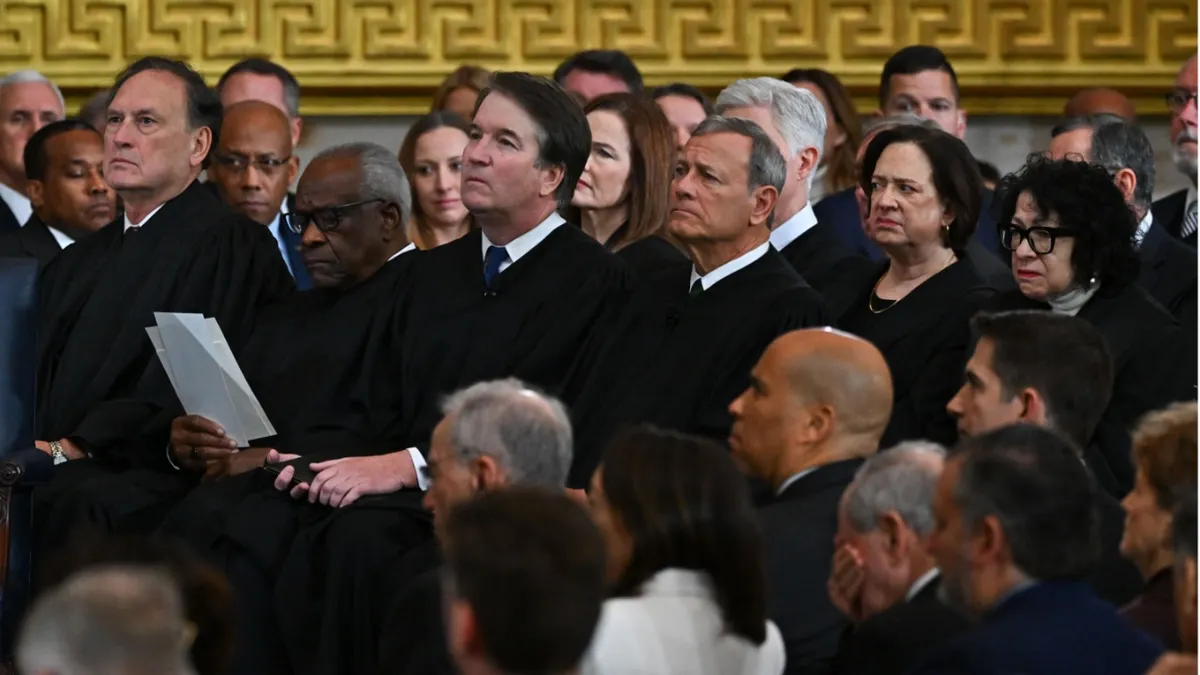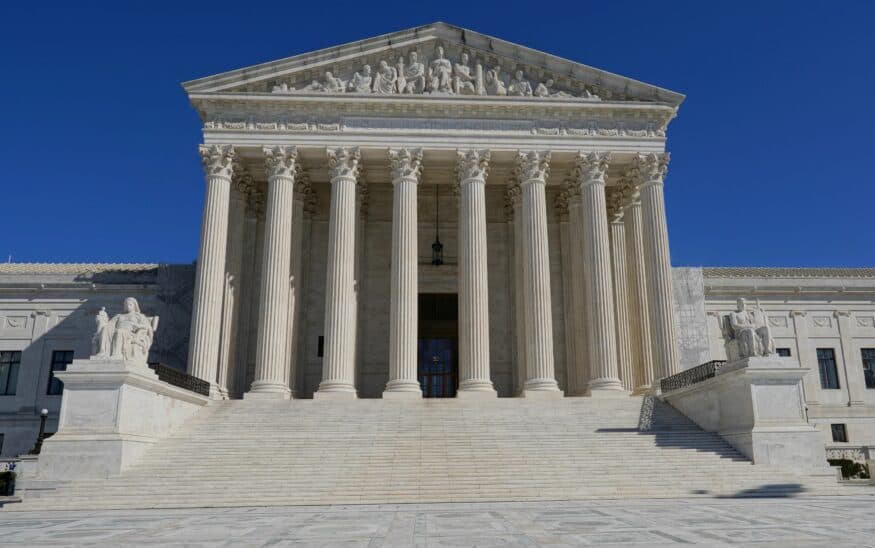

The U.S. Supreme Court has 22 cases left to close out its 2025–2026 term, and the justices are running out of time. Several of the pending decisions are expected to land before July — on birthright citizenship, presidential firing power, transgender sports bans, and gun rights. Taken together, they represent one of the most consequential final stretches the court has produced in years.
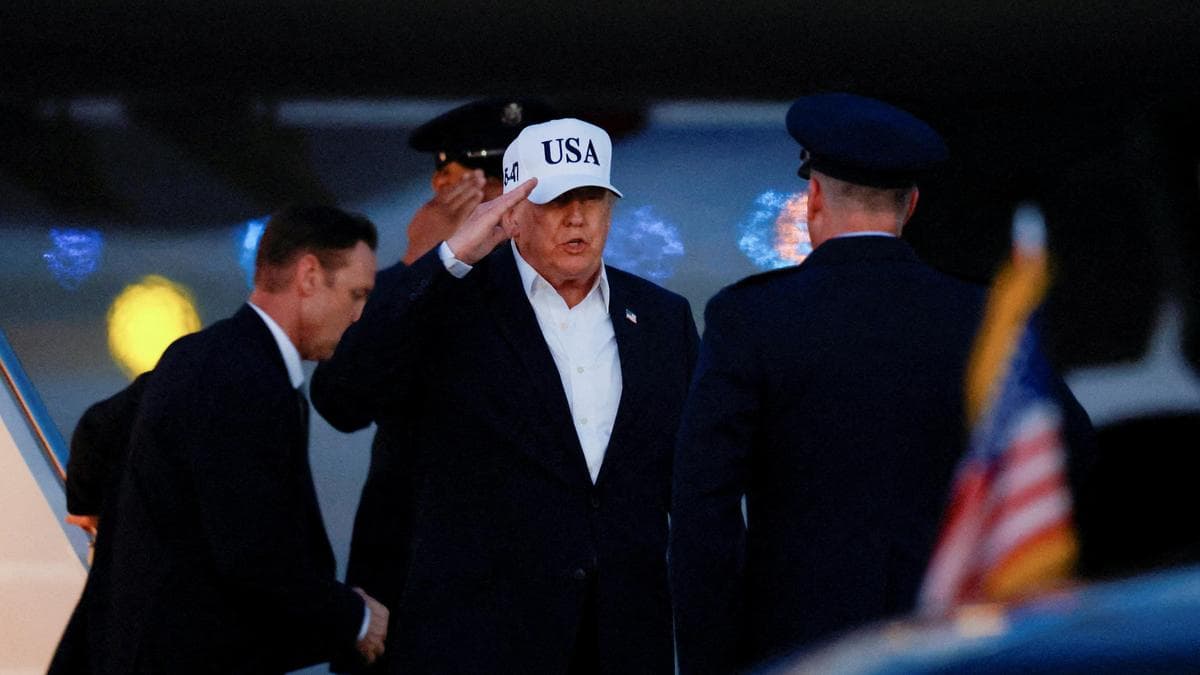
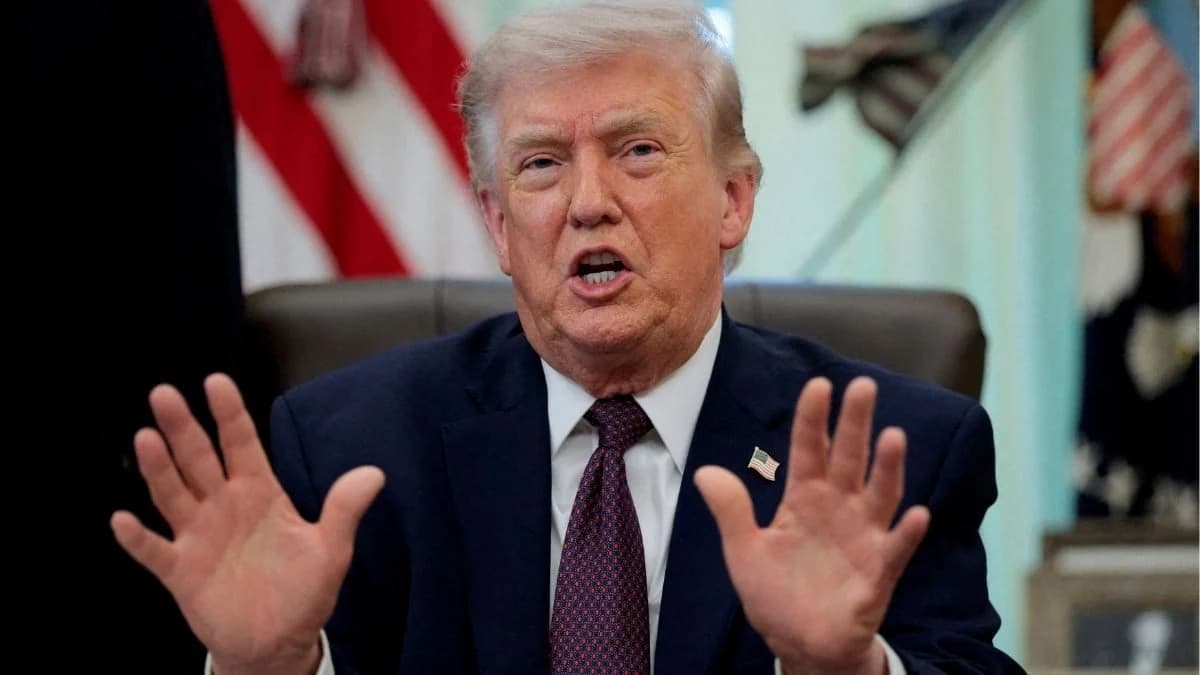
The term did not start quietly. On February 20, the court struck down Trump's sweeping global tariffs 6-3, ruling that the International Emergency Economic Powers Act of 1977 did not give the president authority to impose unbounded trade penalties without Congress. Trump was furious. He called the justices 'absolutely ashamed' at a White House press conference, singling out his own appointees Gorsuch and Barrett as 'an embarrassment to their families.' He has kept up that pressure ever since.
What comes next may sting him worse.
"The Trump administration is probably looking at a 7-2 loss on birthright citizenship.
— Anthony Michael Kreis, Georgia State University law professor
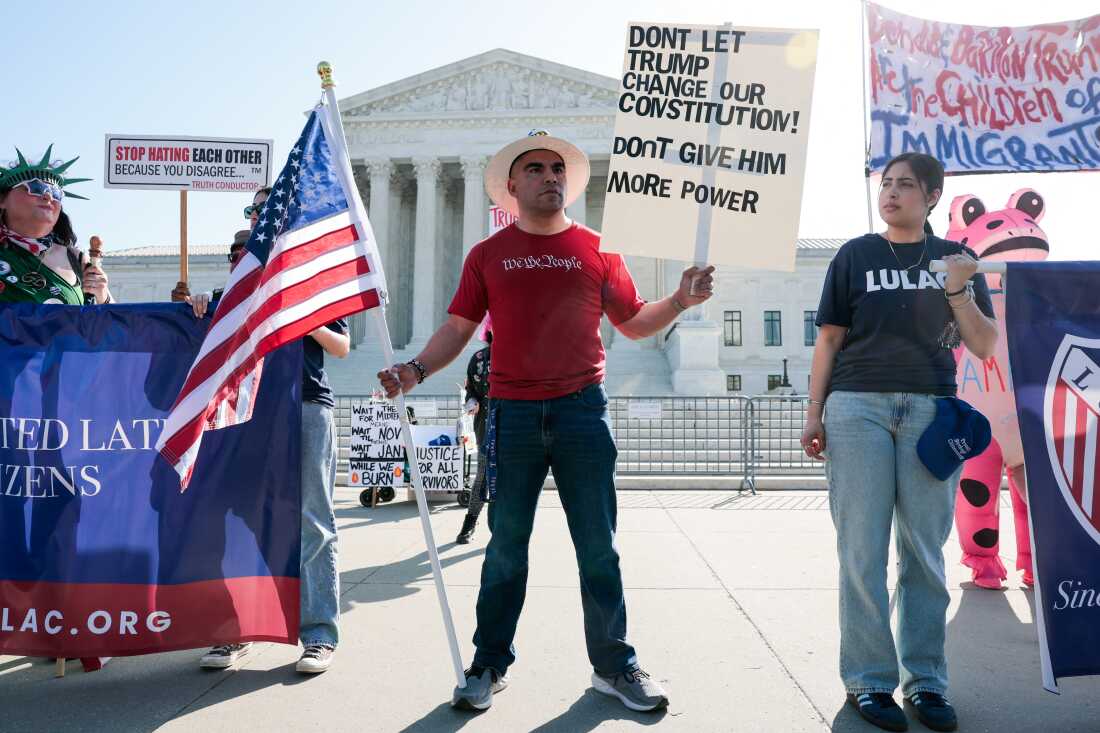
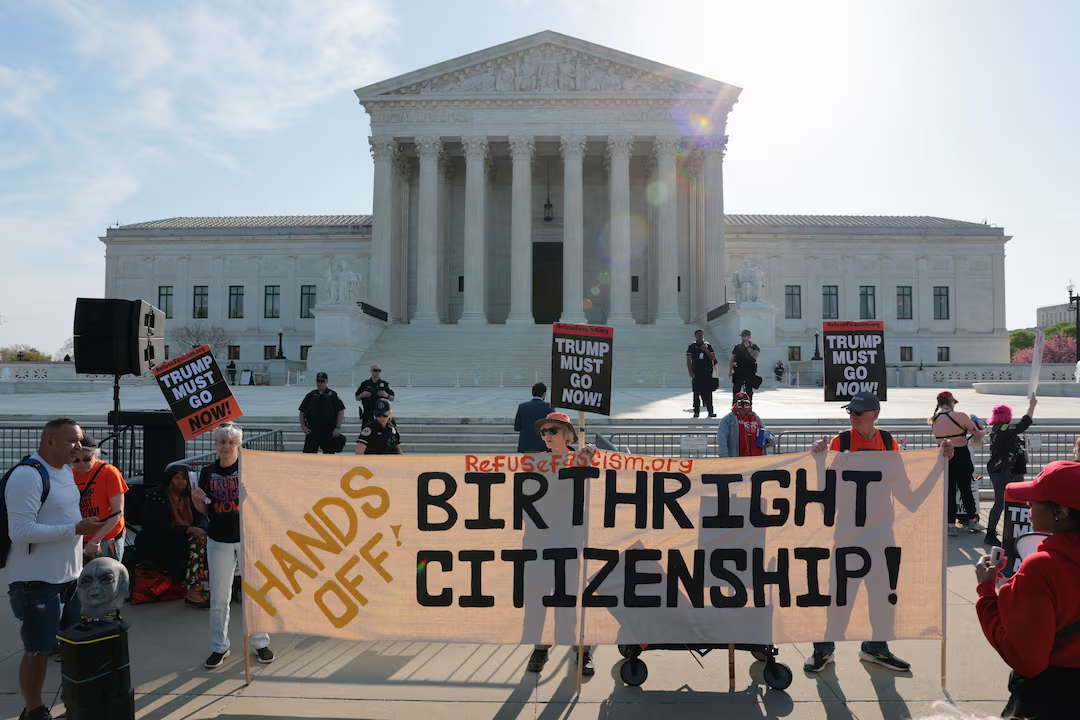
Trump v. Barbara (No. 25-365) is the term's most watched case. On his first day back in office, Trump signed an executive order blocking citizenship for U.S.-born children whose parents entered the country illegally or on temporary visas. Every lower court that reviewed it struck it down. On April 1, Trump made history as the first sitting president to attend an oral argument — and sat through questions that suggested at least five justices, possibly seven, intended to rule against him.
The president appeared to accept it. 'They will be ruling against us on Birthright Citizenship,' he posted on social media in May. The 14th Amendment's citizenship clause has been settled law since 1898, when the Supreme Court ruled in United States v. Wong Kim Ark that U.S.-born children of Chinese immigrants were citizens. Overturning that would be the most significant constitutional shift on citizenship since Reconstruction.
The FTC case, Trump v. Slaughter (No. 25-332), tells a different story. There, Trump is likely to win — and the consequences could be just as far-reaching. When Trump fired Democratic FTC Commissioner Rebecca Slaughter in early 2025, he cited no legal cause. Under a 1914 law and a 1935 Supreme Court precedent — Humphrey's Executor v. United States — presidents can only remove FTC commissioners for 'inefficiency, neglect of duty, or malfeasance in office.' Trump said keeping her was 'inconsistent with the administration's priorities.' The court allowed the firing to proceed on a temporary basis while the case wound through the courts — a procedural signal that legal analysts read as strongly favoring the administration. A ruling for Trump could upend the independence of every major federal regulatory agency: the SEC, the NLRB, the EEOC, and potentially the Federal Reserve itself.
The Fed Case: Where the Line Gets Drawn
The Federal Reserve case, Trump v. Cook (No. 25-1083), is the flip side of the FTC dispute. Trump tried to fire Lisa Cook, the first Black woman to serve on the Fed's Board of Governors, citing unproven mortgage fraud allegations she has denied. Cook called it a pretext to pressure the Fed on interest rates. Unlike the FTC case, the court refused to let the firing proceed while the legal challenge plays out — a notable contrast. 'A negative ruling on Birthright Citizenship, on top of the recent Supreme Court tariff catastrophe, is not Economically sustainable,' Trump posted in mid-May, conflating the cases to signal mounting frustration. Economists and business leaders are watching the Cook case with particular anxiety. Central bank independence is foundational to global financial stability. Justices during January arguments appeared reluctant to give a president direct authority over monetary policy.
The distinction the justices will need to draw — if they side with Trump on the FTC but not the Fed — is whether the Federal Reserve Act's 'for cause' removal requirement is constitutionally different from the FTC Act's. 'But I didn't hear an answer to what legal principle actually distinguishes the Fed from the FTC,' Justice Davis pressed during arguments. That question remains unanswered.
What Has Already Been Decided
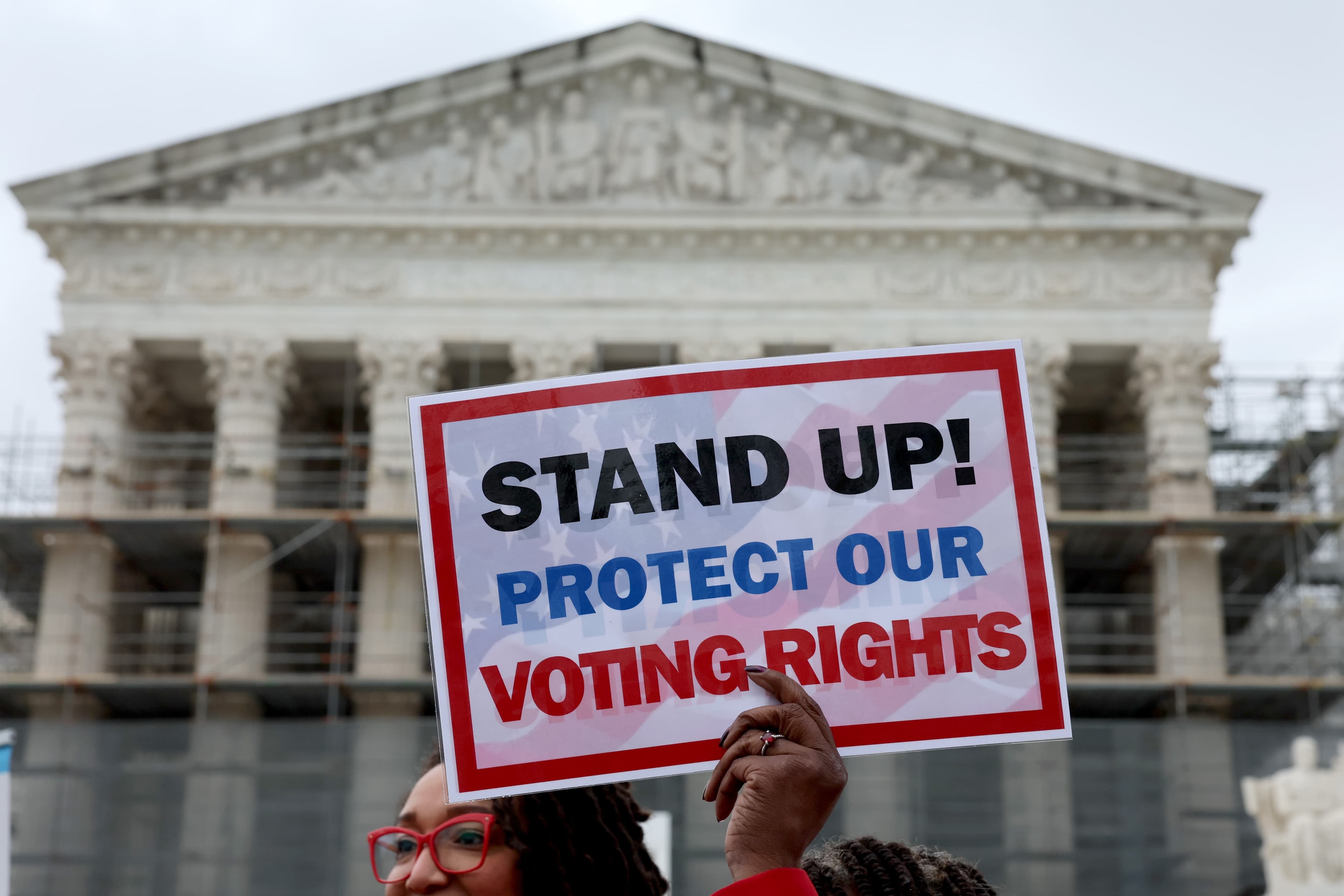
The term's completed cases have already moved law in significant ways. The Voting Rights Act took a direct blow on April 29, when the court ruled in Louisiana v. Callais (No. 24-109) that redistricting which reduces minority voting power is permissible provided it was not intentionally discriminatory. Republicans in Southern states began moving quickly to redraw majority-Black congressional districts. Section 2 of the VRA, already weakened in 2013, is now a substantially diminished tool.
On June 18, the court ruled unanimously in United States v. Hemani (No. 24-1234) that the federal law banning drug users from owning firearms was unconstitutional as applied. The case involved an American-Pakistani dual citizen who told federal agents he was a regular marijuana user. His conviction was thrown out. Notably, this is the same law used to convict Hunter Biden in 2024.
Key Completed Rulings at a Glance
✓ Tariffs struck down 6-3 — IEEPA does not grant presidential tariff power (Learning Resources v. Trump, Feb. 20)
✓ Voting Rights Act gutted — Section 2 weakened, racial gerrymandering harder to challenge (Louisiana v. Callais, Apr. 29)
✓ Marijuana users and guns — federal ban on drug-user gun ownership unconstitutional as applied (US v. Hemani, Jun. 18)
✓ Conversion therapy law struck — Colorado's ban on LGBT talk therapy for minors violates First Amendment 8-1 (Chiles v. Salazar, Mar. 31)
✓ ISP piracy liability — internet providers cannot be held liable for subscriber copyright infringement 9-0 (Cox v. Sony, Mar. 25)
✓ SEC disgorgement upheld — agency's power to recover illegal profits survives challenge (Sripetch v. SEC, Jun. 4)
✓ FCC fines upheld — AT&T and Verizon lose challenge to agency penalty system (FCC v. AT&T, Jun. 4)
✓ Generic drug patents — Hikma's skinny-label Vascepa generic did not infringe Amarin's patents (Hikma v. Amarin, Jun. 4)
The court's conservative supermajority has not been uniformly loyal to Trump's agenda. On tariffs, the court's ruling cost Trump what he considered a cornerstone of his economic strategy. On birthright citizenship, the signals from oral argument suggest another major defeat. Yet on independent agency power, and potentially on transgender sports bans and asylum policy, the same majority may hand him wins that reshape the federal landscape for decades.
What the Last Days of the Term Could Change
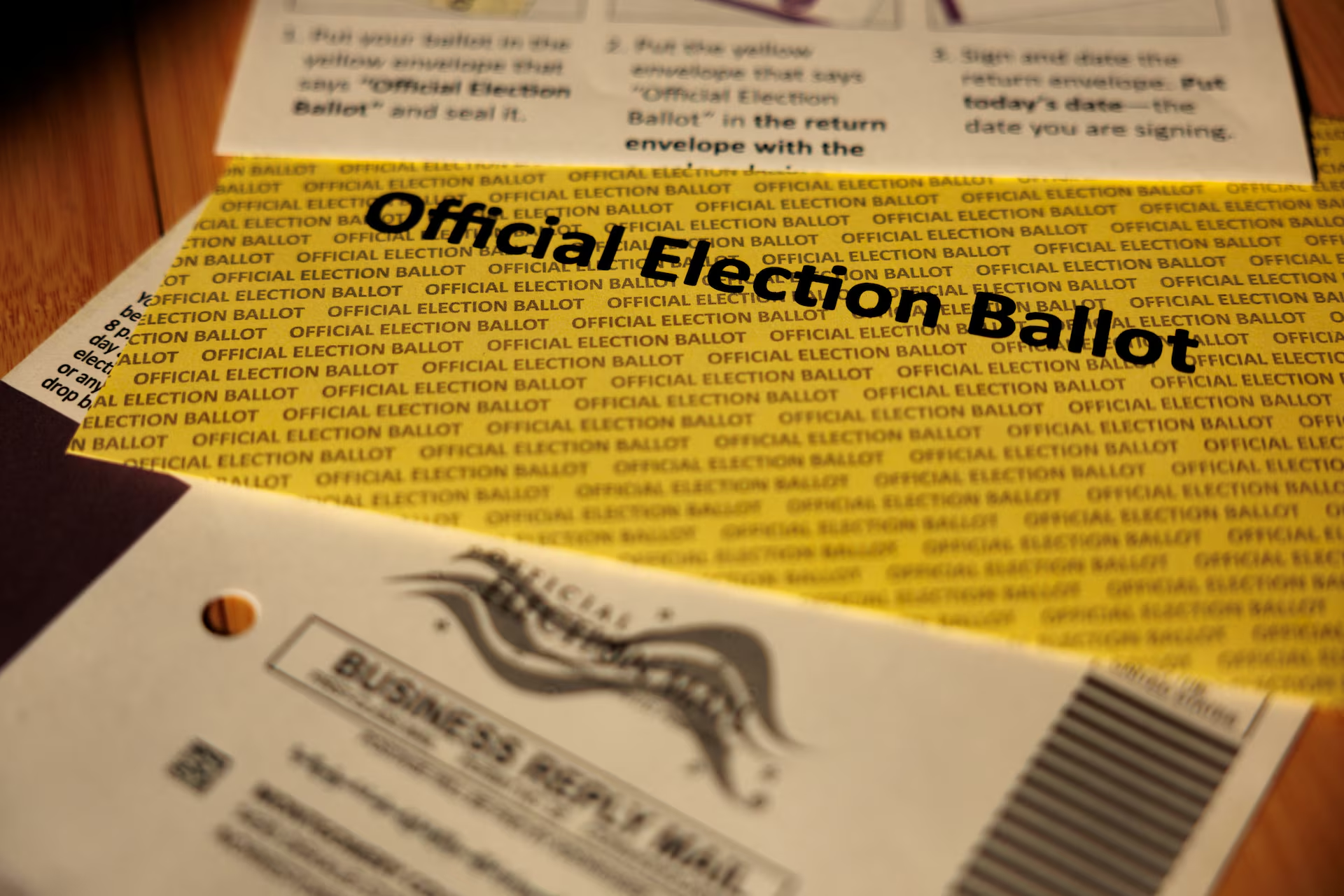
Beyond the Trump-centric cases, the court is set to rule on issues with long national tails. The campaign finance case, National Republican Senatorial Committee v. FEC (No. 24-621), could effectively remove caps on how much political parties spend in coordination with their candidates — a ruling that would arrive just months before the 2026 midterm elections. The mail-in ballot case, Watson v. RNC (No. 24-1260), could force stricter deadlines for counting absentee votes in Mississippi and set a national precedent. The Hawaii gun case, Wolford v. Lopez (No. 24-1046), could further expand Second Amendment rights on private property. The geofence warrant case from Virginia is expected to set the constitutional rules for a surveillance tool already used in hundreds of criminal cases nationwide.
The Bayer Roundup case could determine whether thousands of cancer plaintiffs can sue in state court over a federally regulated pesticide — or whether federal approval shields companies from liability. And the Temporary Protected Status cases could affect more than 1 million immigrants from 13 countries if the court allows the administration's terminations to stand.
Legal scholars note that while Trump may lose on birthright citizenship and the Federal Reserve, the wins he appears likely to secure — particularly on independent agency power — may prove more structurally consequential over time. Agencies like the FTC, SEC, and NLRB regulate entire sectors of the American economy. If their commissioners can be fired at will, the insulation Congress built into those agencies over a century disappears.
There are going to be a series of losses for the Trump administration, but I think they pale in comparison to the number of wins that the administration will get.— Anthony Michael Kreis, Georgia State University law professor
The court does not announce in advance when it will release opinions. Justices in recent years have pushed the most significant rulings into early July. That means the decisions defining this term — on citizenship, presidential power, and the independence of American institutions — could arrive any day. Trump has made clear he will not stay quiet if they go against him. Whether that pressure moves the court is the question legal observers have been asking since February 20, when the chief justice read out the tariffs ruling and the president's patience ran out.
Reporting draws on coverage from Reuters, NPR, SCOTUSblog, CBS News, CNN, U.S. News, and the Justia Supreme Court opinion archive.