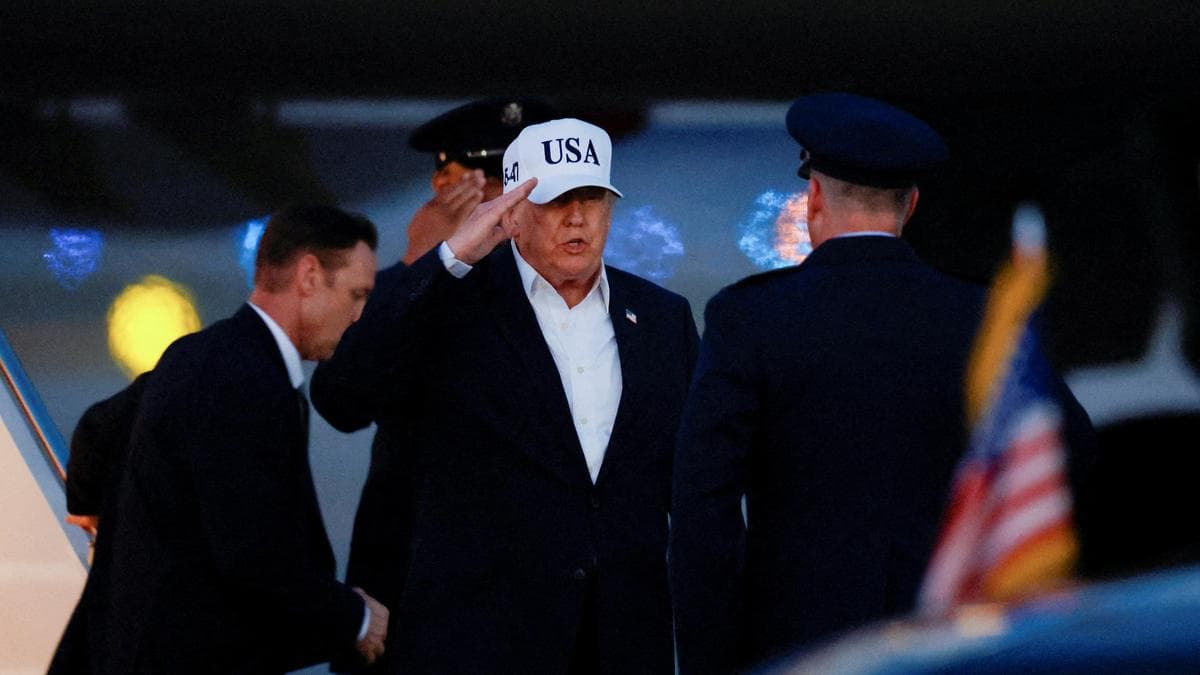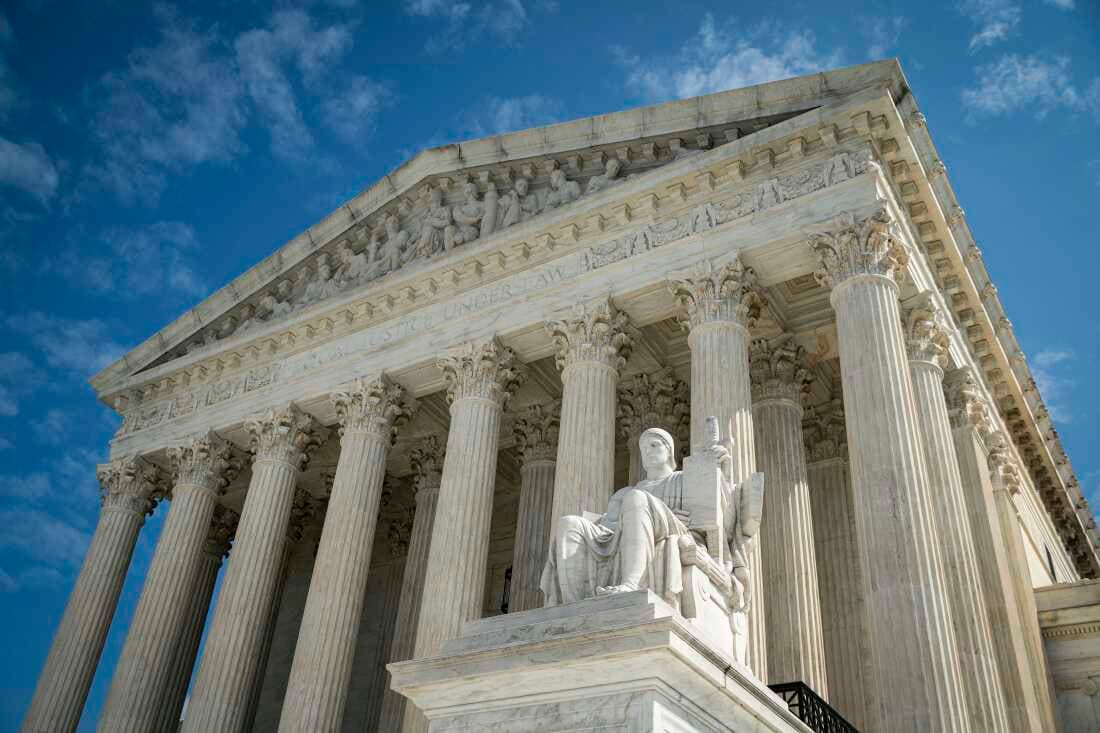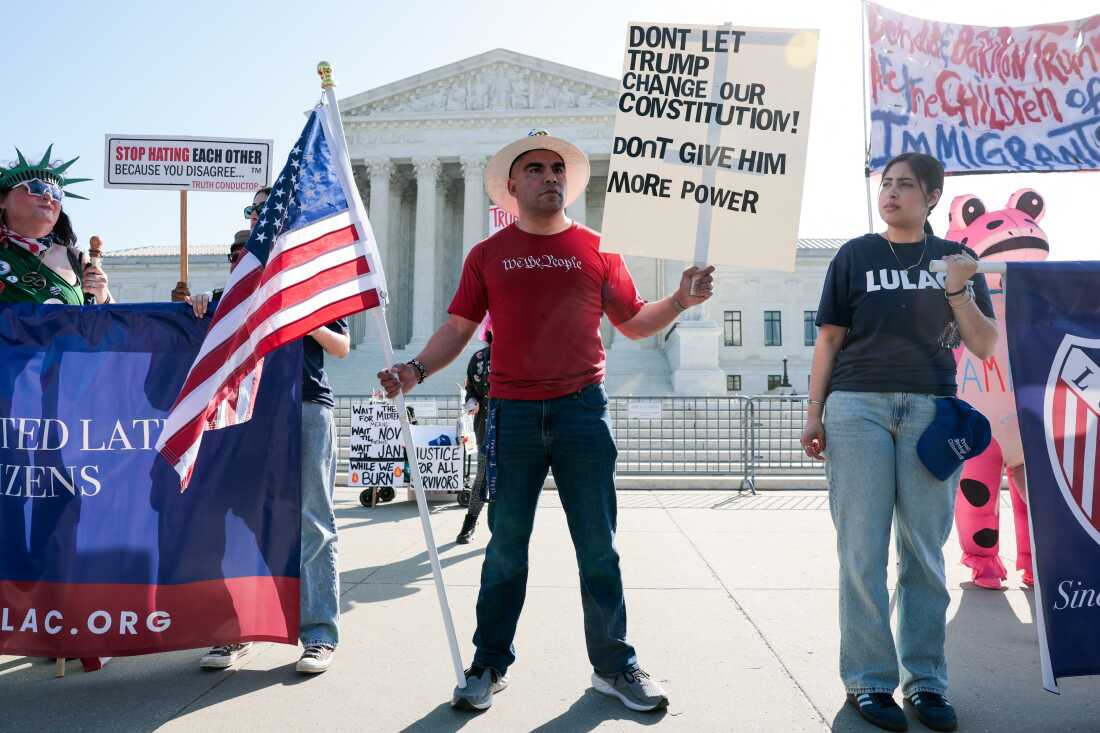

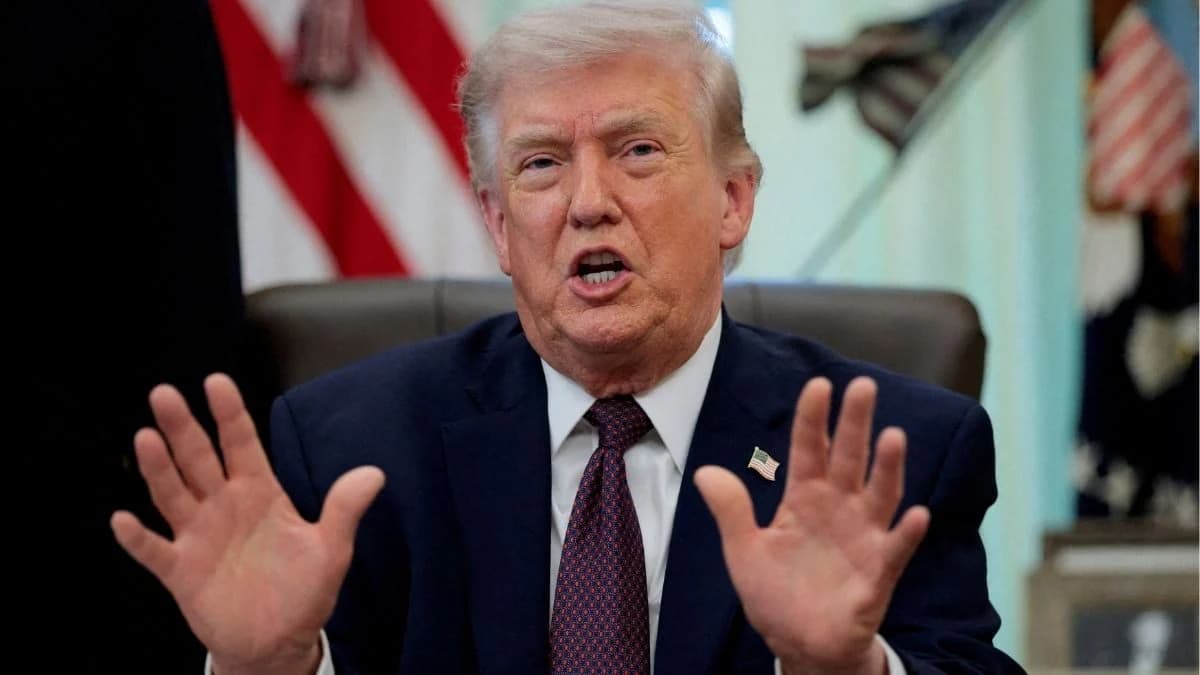
The Supreme Court just told a president no. Not with a footnote, not with a technicality — with a 6-3 vote that guts one of the most aggressive legal experiments of Donald Trump's second term.
On June 30, the justices ruled that the Constitution guarantees citizenship to virtually every child born on American soil, rejecting the executive order Trump signed on his first day back in office. Chief Justice John Roberts wrote the majority opinion, and the language left little room for a do-over.
It's easy to assume a case this politically loaded would split along predictable lines and end in a muddy compromise. It didn't. The court came down hard, and the reasoning traces back more than 150 years.
The order Trump signed in January 2025 tried to deny automatic citizenship to babies born in the U.S. if their parents were in the country illegally, or living here legally but on temporary visas — tourists, students, work-permit holders. It was a direct challenge to a reading of the 14th Amendment that has held since Reconstruction.
That amendment says anyone "born or naturalized in the United States and subject to the jurisdiction thereof" is a citizen. Nearly every constitutional scholar reads that as sweeping and automatic. Trump has long argued otherwise, insisting the clause was written narrowly for the children of former slaves and was never meant to cover the children of noncitizens.
The order never actually took effect. Every lower court judge who looked at it — and there were several — reached the same conclusion: it couldn't survive constitutional scrutiny.
How the case reached the justices
The fight originated as a class-action lawsuit brought by the ACLU on behalf of families who stood to lose citizenship for their newborns. Lower courts blocked the order almost immediately, and the administration kept appealing, betting the Supreme Court's conservative majority would eventually side with it.
That bet didn't pay off. During oral arguments in early April, several justices signaled skepticism toward the administration's position — and Trump himself sat in the courtroom to watch, a rare move for a sitting president. By the time the opinion came down at the end of June, the outcome had shifted from uncertain to a clear defeat for the White House.
Part of a bruising stretch for the administration
The birthright citizenship decision landed in a term that, on balance, has not been kind to Trump's legal team. The same week, the court also ruled that states can bar transgender girls from school sports — a win for the administration — but that single victory sat alongside several defeats.
Earlier in the term, the justices struck down Trump's tariff program, ruling Congress never authorized it. They also gutted key protections in the Voting Rights Act, prompting a wave of Southern states to redraw congressional maps. And in a separate case, the court expanded presidential power to fire heads of independent agencies without cause — a win that came a day before the citizenship ruling, giving the term a genuinely mixed record rather than a one-sided narrative in either direction.
What changes on the ground
For families directly affected, the ruling is immediate and concrete. Children born in the U.S. to undocumented parents or temporary visa holders keep automatic citizenship, exactly as they always have.
✓ No new citizenship paperwork or verification required for U.S.-born children
✓ Hospitals and state vital-records offices continue issuing birth certificates as before
✓ The 14th Amendment's citizenship clause remains legally settled, at least for now
Legal analysts don't expect the administration to attempt a similar order again through executive action alone — a new attempt would face the same wall of precedent.
What comes next
This ruling closes the birthright citizenship fight, but it doesn't close the broader argument over presidential power that has defined this Supreme Court term.
The justices left the summer recess having handed down one of the most consequential rulings of Trump's second term. Whether it slows the administration's broader push to test the limits of executive power is a separate question — one the court will likely keep answering, case by case, well into next term.