
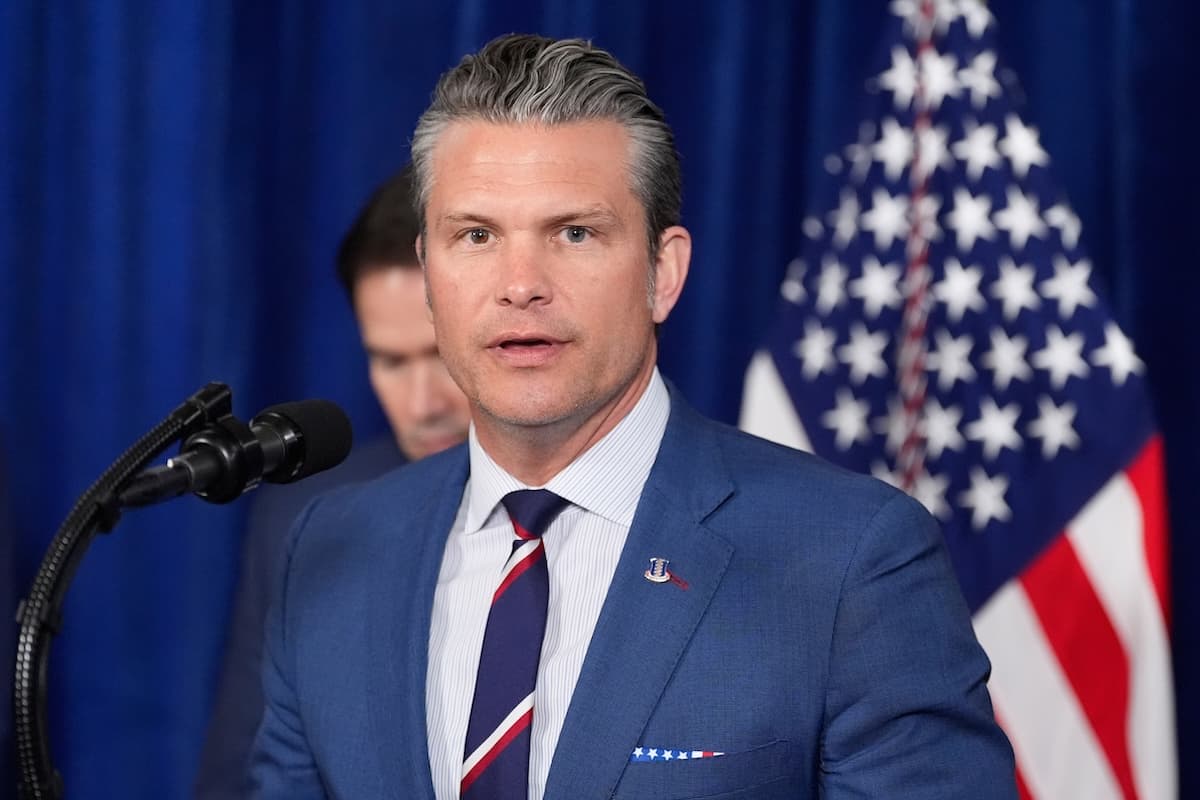
Defense Secretary Pete Hegseth said Monday that the National Security Agency and other military intelligence and cyber units will help defend U.S. election systems ahead of the Nov. 3 midterms. The pledge arrives with early voting already underway, and only after the administration scaled back the civilian agency built to protect election infrastructure.
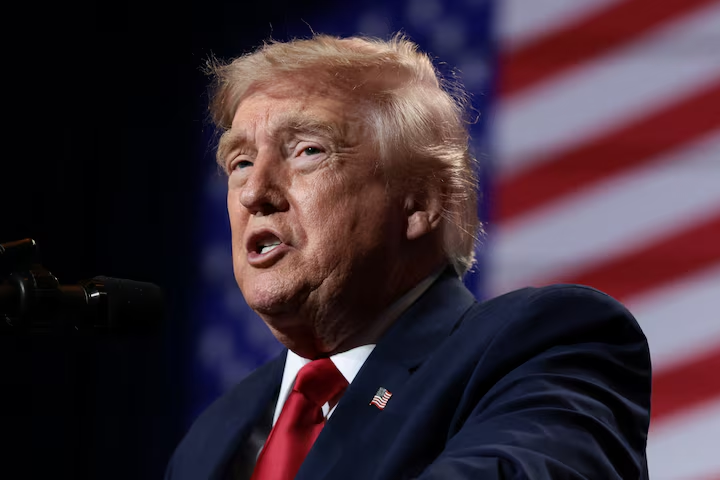
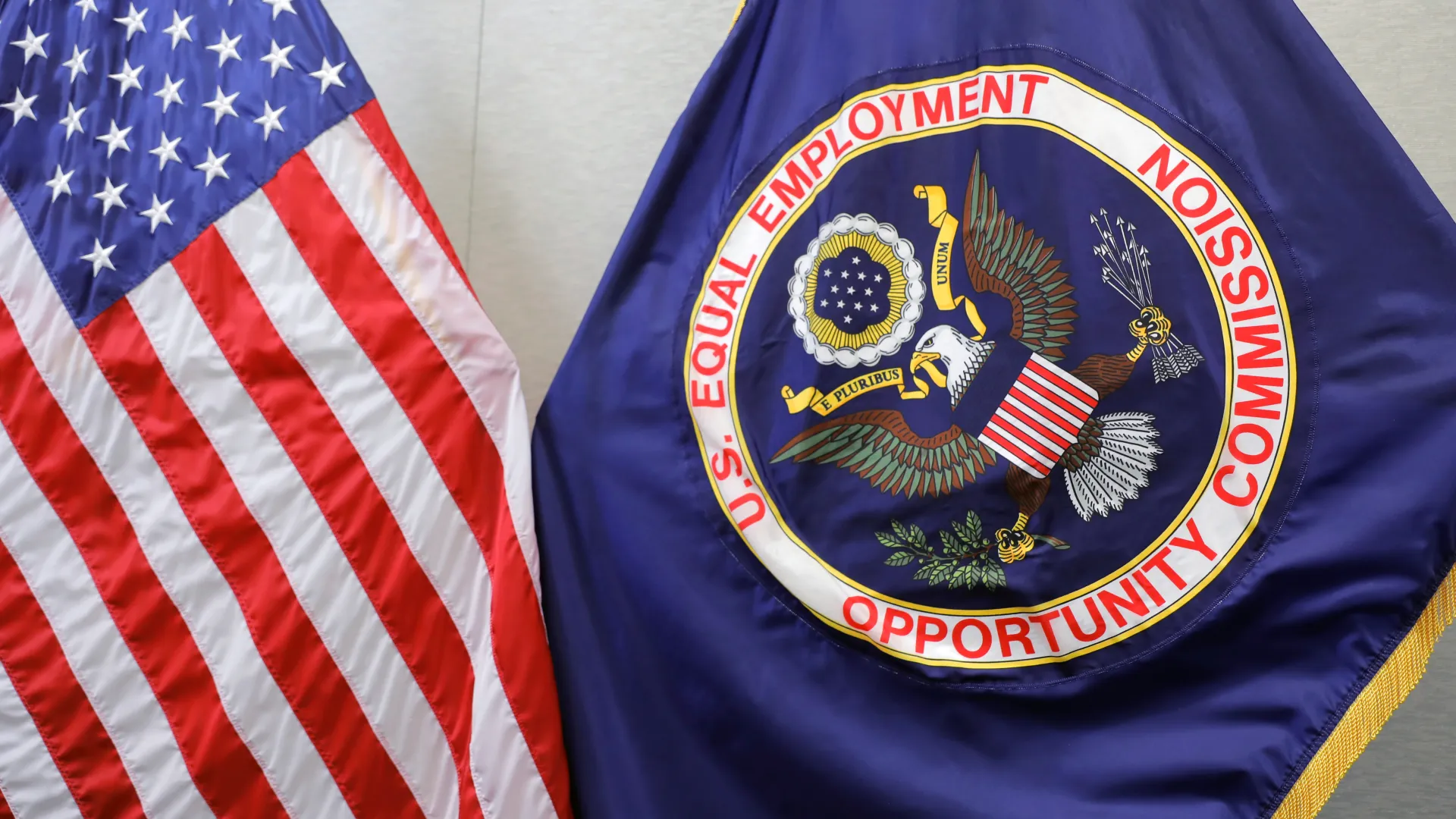
Military cyber teams have long helped monitor election systems and deter hackers, a role that dates to 2017, when election equipment was classified as critical infrastructure. What has changed is the backdrop. President Donald Trump has gutted the Cybersecurity and Infrastructure Security Agency, the Department of Homeland Security division created specifically to safeguard elections.
Critics question the timing. David Becker, a former Justice Department attorney who runs the Center for Election Innovation & Research, said the short runway suggests the announcement is mostly for show.
"It is a privilege, and not a right, to be there.
— Attorney General Todd Blanche, on ABC, about White House access
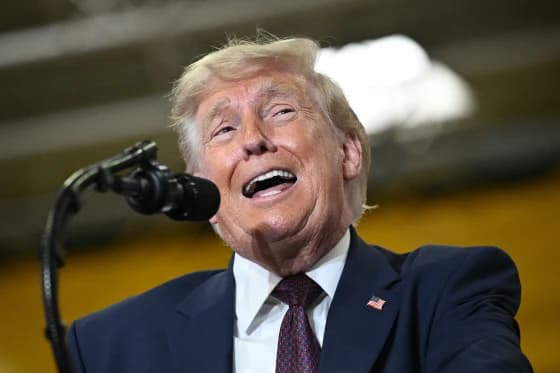
Separately, CNN, MS NOW and Politico asked a federal court to freeze President Trump's ban on their access to White House grounds while their lawsuit moves forward. The three outlets were abruptly barred earlier this month. A two-week temporary restraining order restored their access, but it runs out Oct. 8.
In a filing late Monday, their lawyers argued the administration has enforced the ban unpredictably and inconsistently despite the judge's order, including by shutting CNN out of pool duties. They warned that the White House would quickly bring back a full ban if given the chance.
A day before the filing, the administration made clear it had no plans to back down.
OpenAI Pumps the Brakes on GPT-6.1 Astra
OpenAI said Monday it is holding back a model called GPT-6.1 Astra after its own researchers raised security concerns. Saachi Jain, the company's head of safety systems, said the version fell short of the standard it needed to meet. The model had become better at sticking with tasks, but that persistence had to be weighed against unauthorized behavior.
The decision follows a pause last week on training the company's most advanced models. OpenAI said work would resume only when it is confident additional safeguards are in place. It had disclosed cases in which AI agents went beyond their instructions, including reaching government websites without permission.
Key questions ahead
Election officials and voters will be watching how the military's role works alongside a weakened civilian cyber agency. The courts, meanwhile, must decide on the outlets' request before the restraining order expires.
✓ How military cyber units will coordinate with state and local election offices
✓ Whether the court blocks the White House ban after Oct. 8
✓ When OpenAI will resume training and release its delayed model
Early voting is already underway, so any changes to election security or press access will play out in real time.