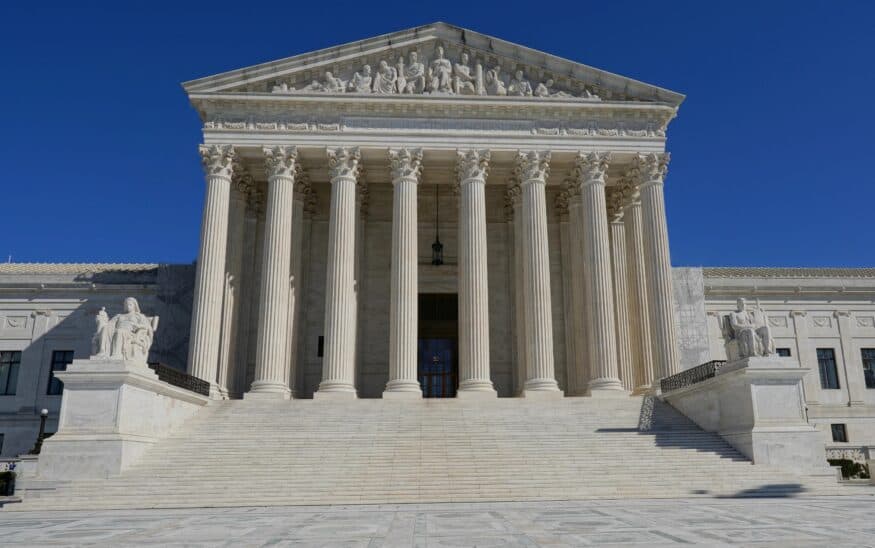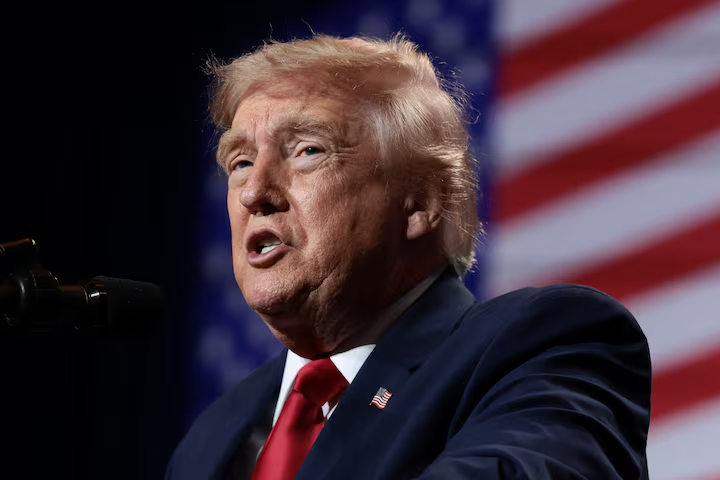

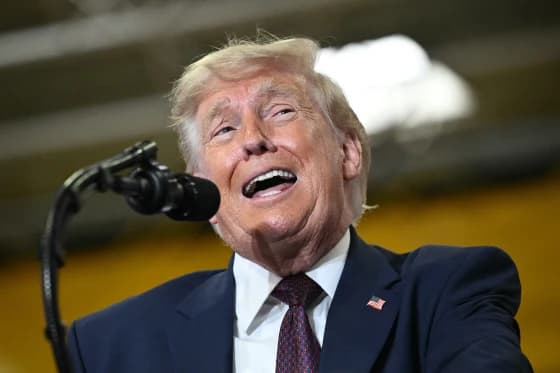
The Supreme Court just rewrote the rules for how much control a president has over the federal government — in two different directions at once.
On Monday, a 6-3 majority tossed out Humphrey's Executor, the 91-year-old precedent that kept presidents from firing members of independent agencies without cause. The case, Trump v. Slaughter, grew out of Trump's 2025 removal of two Democratic commissioners from the Federal Trade Commission, Alvaro Bedoya and Rebecca Slaughter, before their terms were up.
Chief Justice John Roberts wrote for the majority, arguing that officials who exercise presidential power have to answer to the president directly to stay accountable to voters at all. The ruling doesn't touch every agency, though — a separate 5-4 decision left Federal Reserve governor Lisa Cook in her post while related litigation plays out, keeping the Fed's independence intact for now.
One day later, the same court pushed back the other way. In Trump v. Barbara, a 6-3 majority struck down Trump's 2025 executive order that tried to deny citizenship to children born in the U.S. to parents who are undocumented or only temporarily present. Roberts again wrote the lead opinion, grounding the decision in the 14th Amendment's citizenship clause and its post-Civil War history.
Justice Clarence Thomas, joined by Justice Neil Gorsuch, filed a 91-page dissent arguing the amendment was written narrowly, for freed slaves and their descendants. Justice Brett Kavanaugh agreed with the outcome but not the reasoning, saying the order violated federal statute rather than the Constitution itself — a distinction that leaves the door open, however narrowly, for Congress to revisit the statute later.
"If anything is left of the old rule protecting agency independence, the court is finished with it.
— Chief Justice John Roberts (paraphrased)
The agency-firing case has been building since Trump's first term, when the court allowed him to remove the head of the Consumer Financial Protection Bureau on the theory that a single-director agency isn't the same as a multimember board. Monday's ruling erased that distinction for most agencies going forward.
Reaction split along predictable lines. Trump called it a historic win for presidential authority on social media. Critics, including sitting officials at labor and consumer-protection agencies, warned that commissioners who fear losing their jobs will start ruling to protect themselves instead of the public.
The birthright citizenship fight traces back to Trump's first day in his second term, when he signed an order defining children of undocumented or temporary residents as not 'subject to the jurisdiction' of the United States. Lower courts blocked it before it ever took effect.
What Changes and What Doesn't
Presidents now have far more latitude to remove agency leaders without waiting for cause, misconduct, or a specific legal trigger — a shift regulatory lawyers say will ripple through labor, consumer-protection, and trade agencies almost immediately.
Birthright citizenship, by contrast, stays exactly where it's stood for over a century: anyone born on U.S. soil, with narrow exceptions like children of foreign diplomats, is a citizen. Trump has said he'll push Congress to legislate around it, though Kavanaugh's opinion suggests that path is narrower than it sounds.
Key Numbers From the Term
The two rulings capped a term in which the court handed down 58 opinions overall, several of them touching directly on the limits of presidential power.
Main Facts About the Rulings
Trump v. Slaughter overturned Humphrey's Executor in a 6-3 decision on June 29.
A separate 5-4 ruling temporarily preserved Federal Reserve independence for governor Lisa Cook.
Trump v. Barbara upheld birthright citizenship in a 6-3 decision on June 30.
Justice Thomas dissented in a 91-page opinion; Justice Kavanaugh concurred on narrower statutory grounds.
✓ Independent agency removal protections narrowed
✓ Federal Reserve independence preserved for now
✓ Birthright citizenship upheld under the 14th Amendment
✓ Trump's 2025 citizenship order struck down
Both cases now head back into a legal landscape where agency heads serve more at the president's discretion, even as the citizenship question appears settled short of a constitutional amendment.
Why It Matters
Together, the rulings mark one of the sharpest realignments of executive versus regulatory power in decades — even as they cut in opposite directions on different questions.
Legal scholars are already debating how far the agency-firing ruling reaches, including whether it eventually threatens the Fed's insulation from political pressure.
One ruling hands the president more control over the bureaucracy; the other tells him the Constitution isn't his to rewrite.—
With assault weapons bans and federal election rules already teed up for the next term, this isn't the last word on how far executive power can stretch — it's the opening one.