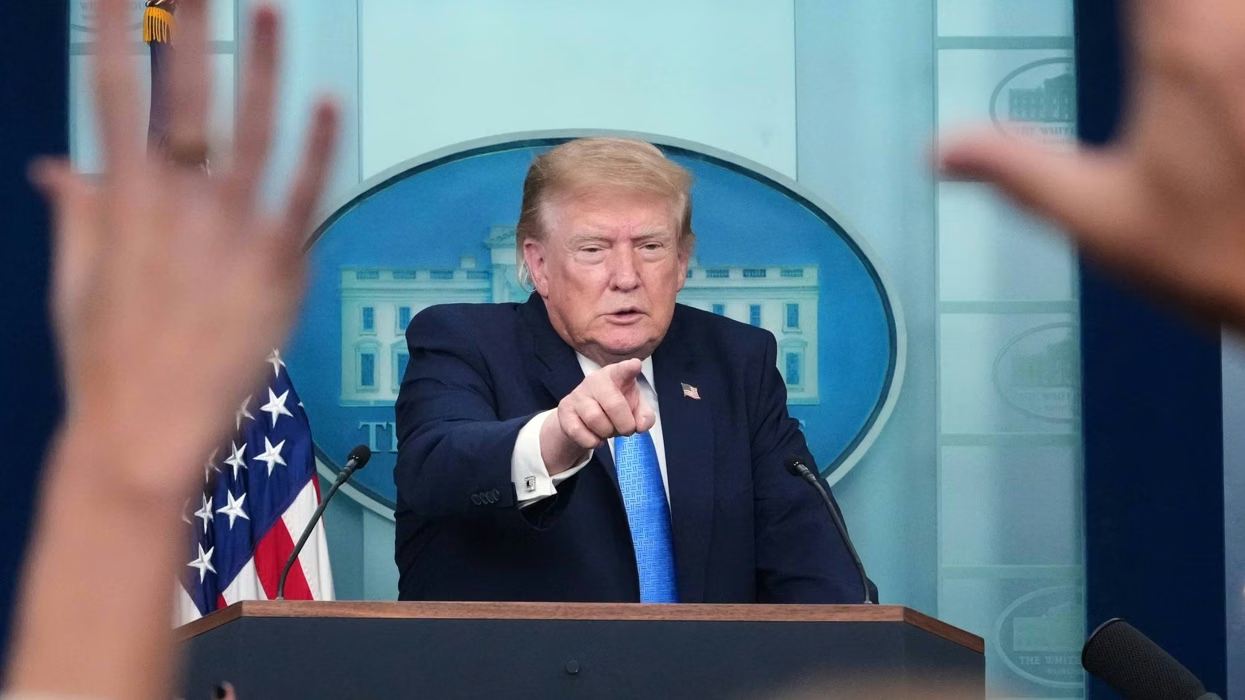

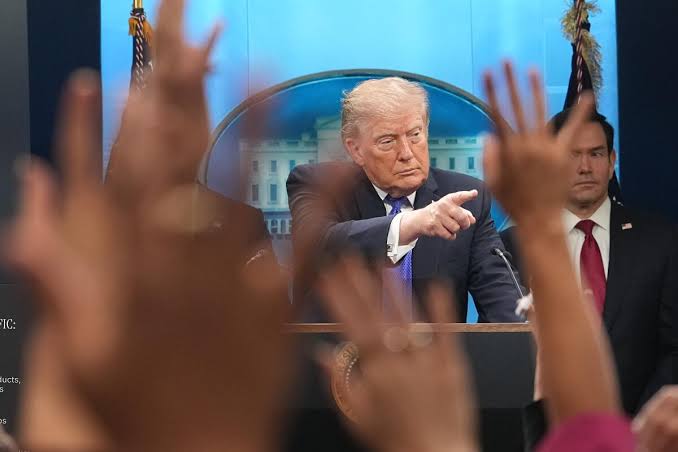
President Donald Trump signed an executive order late Friday directing federal contractors and subcontractors to alert the White House whenever Congress asks about their government work, and to withhold anything the administration deems privileged. Dated Nov. 20, the order lands weeks before Democrats take over Congress with plans to investigate federal contracting.
Titled “Protecting the Executive’s Privileges and Enhancing Efficiencies in Federal Contracting,” it covers every federal contractor and any subcontractor working on a federal contract. ABC News, citing Bloomberg Government, put the number of companies holding federal contracts near 100,000, before subcontractors are counted.
Contractors must notify the White House and their contracting agency immediately about any pending or future congressional request touching their government work or executive-branch communications, coordinate their responses with both, and follow instructions to withhold records deemed privileged. Prime contractors answer for their subcontractors, agencies must promptly tell every contractor what is now expected, and the Office of Management and Budget will draft compliance guidance.
"totally unprecedented and blatantly unlawful
— Rep. Jamie Raskin, Judiciary Committee Democrat, on the order
The enforcement threat is contract loss. Under ABC News’ reading of the order, agencies may terminate agreements and suspend or debar contractors that skip the notice step or defy White House instructions. The White House fact sheet lists no penalties.
The administration’s case rests on confidentiality. The fact sheet says the executive branch must share sensitive material with contractors without fear it will reach outsiders, or agencies may hold information back and stall programs. It also accuses certain congressional leaders of harassing private companies.
A second rationale is efficiency: the order says a lack of coordination between contractors and the executive branch undermines economical and efficient work.
The order adds a legal premise: Congress needs a valid legislative purpose that stays clear of core executive functions before it seeks information from agencies, employees or contractors.
A Week of Memos and Preservation Letters
Friday’s order followed other White House moves on oversight. On Monday, White House Counsel Will Scharf told agencies they need sign-off from his office and the Office of Legislative Affairs before appearing before Congress. His earlier letter to Rep. Robert Garcia, the top House Oversight Democrat, suggested some investigations could amount to “blatant criminality.”
Garcia has sent document-preservation letters to 12 current and former officials, including Vice President JD Vance, Donald Trump Jr., Eric Trump and Jared Kushner, Fox News reported. Scharf replied that Democrats are not yet in the majority and cannot compel compliance.
Democrats Say Contractors Owe Congress Straight Answers
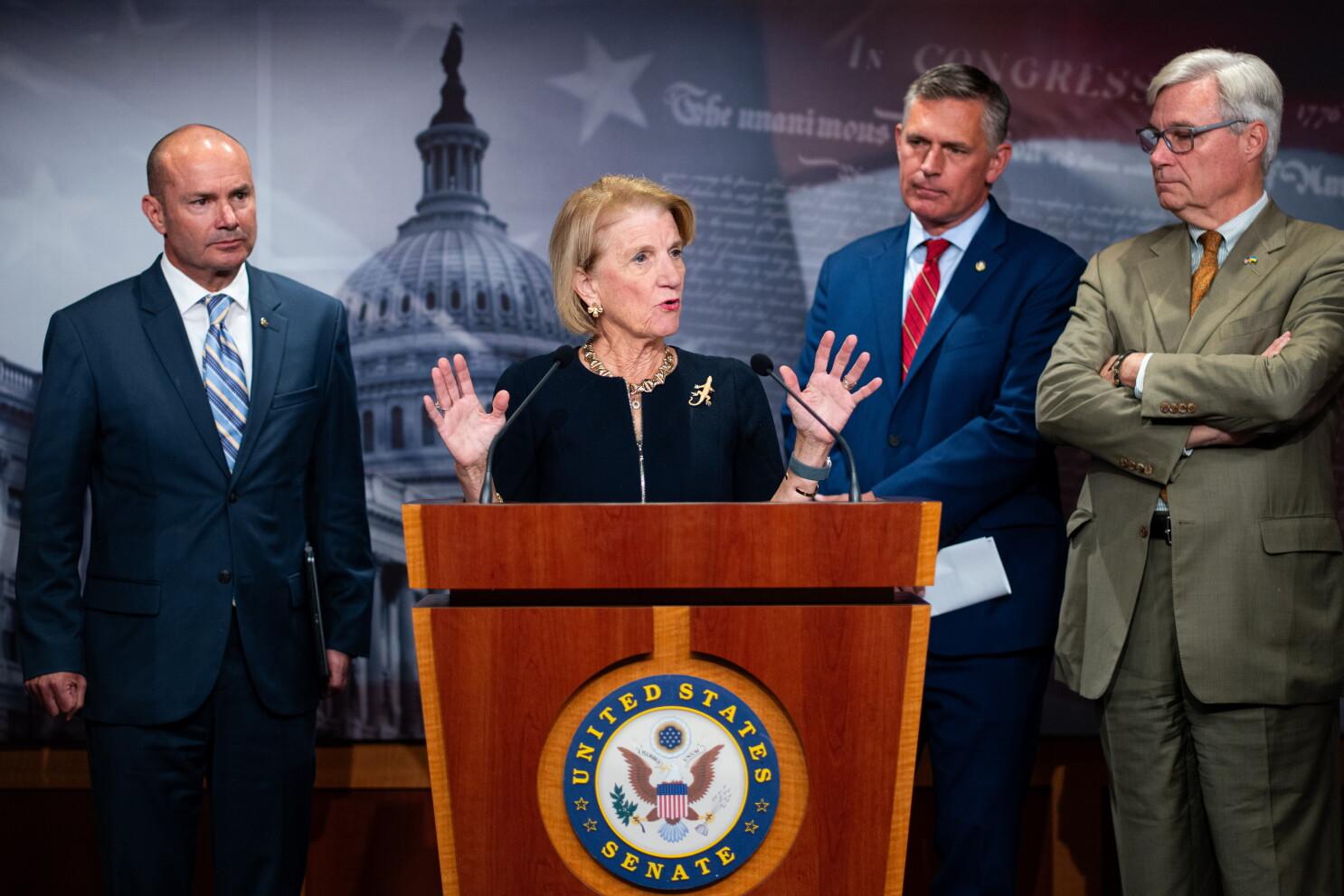
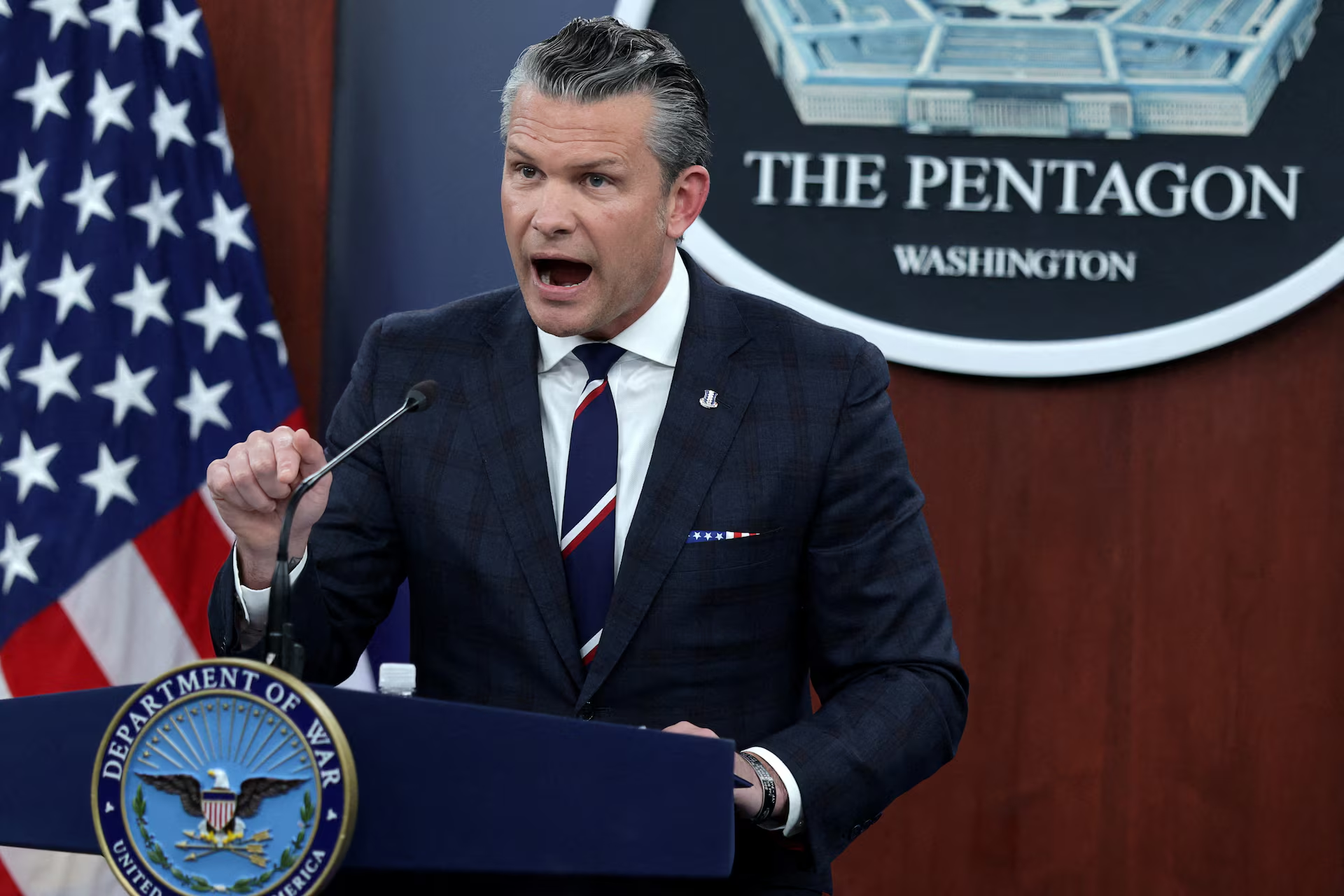
Raskin said contractors have a duty and a right to speak truthfully when Congress calls. Garcia said Saturday the order is part of an attack on Congress’s constitutional oversight power, and he has said the probes will lay groundwork for legislation. Democrats note that federal money has flowed to companies linked to Trump’s family, particularly at the Pentagon, and they rank government contracts among their top targets.
Inquiries Democrats Have Previewed
Reporting points to four areas:
✓ Trump family business dealings and ties to private firms
✓ Federal contracts, particularly at the Pentagon
✓ Conduct of immigration enforcement
✓ Handling of the Jeffrey Epstein investigation
As of Sunday, Nov. 22, the reports reviewed show no court ruling on the order.
Can Privilege Reach a Company’s Inbox?
Presidents of both parties have invoked executive privilege against Congress, and the fights tend to be long and messy. The privilege protects confidential White House deliberations but is far from absolute.
The harder question is whether it covers communications held by private firms. The order does not declare every contractor record privileged; it requires contractors to follow the administration’s call on which ones are. Fox News noted that challenges are possible if a contractor withholds records sought by subpoena, and courts can step in when oversight disputes escalate.
When the First Subpoena Reaches a Contractor
The order’s reach will be tested only when a committee with subpoena power asks a company for records, and Democrats do not hold the gavel until January.
Watch OMB’s guidance first, then any contractor caught between a congressional committee and the agency that pays its bills.
must be able to work closely with its employees and contractors— White House fact sheet, Nov. 20
For now, the order sets a notice-and-coordinate rule backed by the threat of lost contracts. Whether it survives a subpoena fight is untested.
Sources
- White House: Fact Sheet, President Donald J. Trump Protects the Executive’s Privileges and Enhances Efficiencies in Federal Contractingwhitehouse.gov(opens in a new tab)
- ABC News: Trump orders federal contractors to coordinate with White House on congressional inquiriesabcnews.com(opens in a new tab)
- CBS News (AP): Trump's new executive order tells federal contractors to check with White House before responding to Congresscbsnews.com(opens in a new tab)
- Fox News: Trump orders federal contractors to alert White House on congressional record requestsfoxnews.com(opens in a new tab)
- Local 12 (AP): Trump order tells federal contractors to coordinate with White House on Congress inquirieslocal12.com(opens in a new tab)