
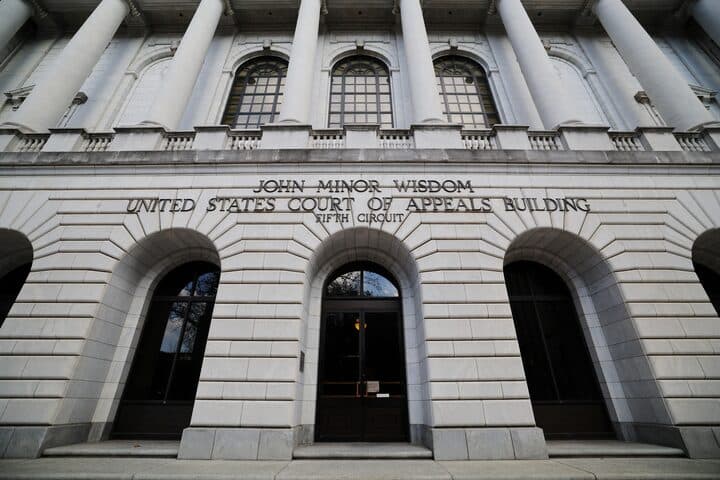
Afederal appeals court has wiped out the ruling that froze Mississippi's ban on diversity, equity and inclusion programs in public schools, and it has taken the case away from the judge who issued it after his orders were found to contain errors linked to artificial intelligence.
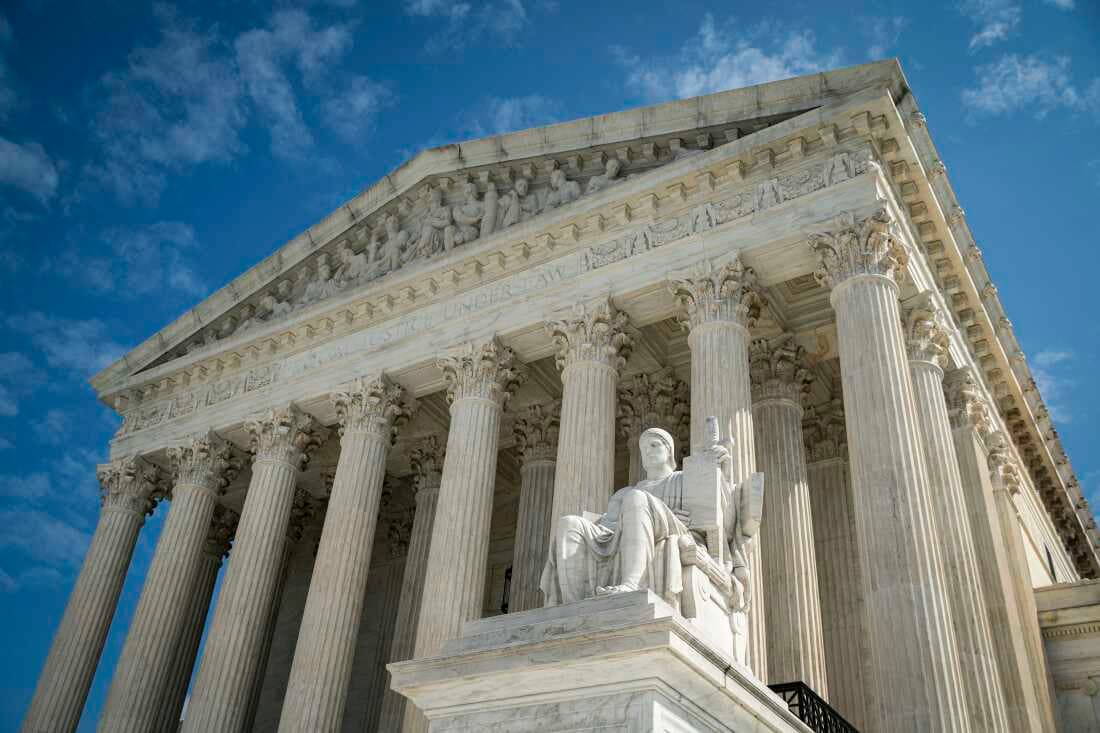
On Thursday, October 22, a three-judge panel of the 5th U.S. Circuit Court of Appeals in New Orleans vacated the preliminary injunction that U.S. District Judge Henry Wingate had entered against the state law, House Bill 1193. The panel also reassigned the lawsuit to a different district judge, who will now review the dispute fresh.
Judge Jerry Smith, writing for the panel, sharply criticized the lower court's work. He said its orders were carelessly drafted, leaned on factual claims that appear nowhere in the record, and got the law wrong. Smith went further, suggesting the district court, or possibly its AI tool, had bent governing law to serve a policy agenda.
The decision is a win for Republican Attorney General Lynn Fitch's office, which argued that Wingate's apparent misuse of generative AI had damaged the integrity of the judicial process. Neither Fitch's office nor Wingate's chambers had responded to requests for comment when the ruling was first reported.
"easily calls for reassignment
— Judge Jerry Smith, 5th U.S. Circuit Court of Appeals
What the Appeals Court Ordered
The panel threw out the injunction and sent the case to a new judge with detailed instructions for reviewing the law from scratch. According to the ruling, the statute does not apply to students.
The court added that states have wide authority over their own curricula and publicly funded speech, but the new judge must weigh that power against the free-speech rights of teachers and professors.
Smith warned that after so many errors, Wingate could be tempted to find some way to vindicate his first view even with the correct law and facts, which is why he said a fresh start was necessary.
How the AI Errors Came to Light
The trouble began with a temporary restraining order Wingate signed in July 2025, shortly after teachers, professors, students and advocacy groups sued, arguing the law violates the First and Fourteenth Amendments.
What the Flawed Order Contained
After the state's lawyers raised concerns, Wingate withdrew the order and replaced it with a corrected version. He later told Senate Judiciary Committee Chairman Chuck Grassley that a law clerk had used the AI platform Perplexity without proper vetting. The original order included:
✓ Sworn declarations from four people that did not exist
✓ Allegations and parties that were never part of the lawsuit
✓ Language attributed to the Mississippi statute that the law does not contain
The corrected order was not clean either. The panel noted that it cites a case that appears not to exist. Wingate then issued the preliminary injunction that the appeals court has now vacated.
Both sides found something to take from the decision. Robert McDuff of the Mississippi Center for Justice, who represents the plaintiffs, said the panel made clear that public school teachers and students can still discuss race, sex and civil rights, which removes one of the group's biggest concerns.
The ruling is not a final word on the law's constitutionality. The broader First Amendment questions now go back to a trial judge.
Anthony Shults of the Mississippi Attorney General's Office had told the panel that the law regulates state institutions and educators, not individual students.
What Happens Next
The case returns to the Southern District of Mississippi, where a newly assigned judge will review the law under the 5th Circuit's instructions.
For the state, the decision removes the court order that had kept parts of HB 1193 from being enforced, although the lawsuit itself continues.
For the plaintiffs, the fight shifts to the remaining parts of the law, which their lawyers say they will keep challenging before the new judge.
The ruling lands as courts across the country wrestle with AI-generated mistakes. Federal courts still have no uniform rules on how lawyers use the technology, and policies on judges' own use can differ from one chambers to the next.
Sources
- Reutersreuters.com(opens in a new tab)
- Courthouse News Servicecourthousenews.com(opens in a new tab)
- Bloomberg Lawnews.bloomberglaw.com(opens in a new tab)
- Law.com / National Law Journallaw.com(opens in a new tab)
- ABA Journalabajournal.com(opens in a new tab)
- Mississippi Todaymississippitoday.org(opens in a new tab)