
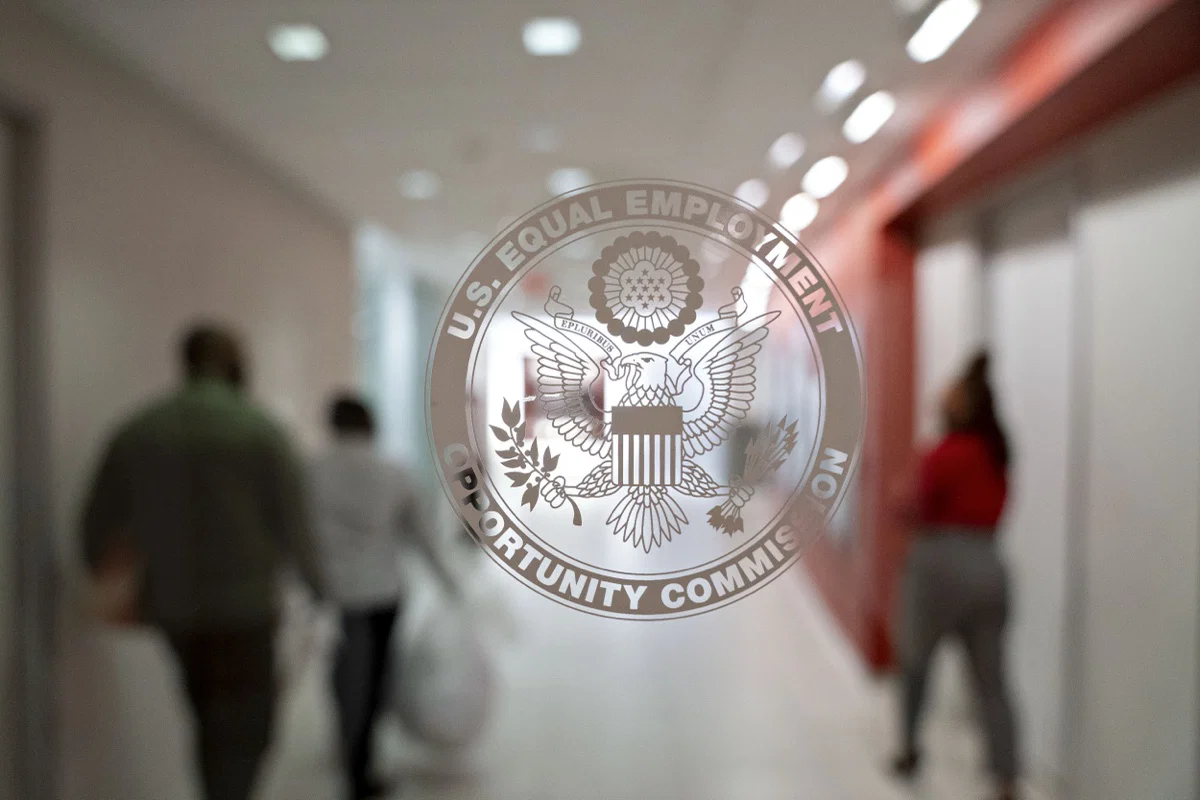
Osmose Utilities Services Inc. has agreed to pay $25,000 and adopt new workplace safeguards to settle a federal disability discrimination lawsuit over an employee who asked to work from home after a stroke. The U.S. Equal Employment Opportunity Commission announced the two-year consent decree on Nov. 13, 2026, closing a case rooted in a firing that happened in 2019.
The EEOC says the employee, who worked in Osmose’s Peachtree City, Georgia, office, suffered a stroke that affected her peripheral vision. When she returned from medical leave, she asked to work remotely as a reasonable accommodation. The agency says in-person attendance was not an essential part of her job and that the company had allowed her to work remotely before. Osmose denied the request and fired her about seven weeks after she came back.
The case is EEOC v. Osmose Utilities Services, Inc., No. 1:24-cv-04140, in the U.S. District Court for the Northern District of Georgia, Atlanta Division. The EEOC sued under the Americans with Disabilities Act in September 2024 after trying to resolve the matter through conciliation. The announcement included no statement from the company, and a settlement resolves allegations rather than proving them.
Why working from home was the accommodation at issue
The ADA requires employers to make reasonable changes that let a qualified worker with a disability do the job, unless the change would cause undue hardship. Working from home can qualify, and the dispute here turned on whether sitting in the office was truly essential. The EEOC says it was not. In HR Dive’s account of a magistrate judge’s recommendation, the employee said she was afraid to drive because of vision problems from her stroke.
Commuting is a routine task most workers never think about. After a stroke that changes vision, it can become a barrier to keeping a job. Accommodation law asks employers to look at the job’s actual duties and the worker’s real limits rather than assume every task must happen at a desk.
Employers may define a job’s essential functions, but under the ADA the question is what the job actually requires, including how the work is done and whether it has been done remotely before. A past remote arrangement, which the EEOC says Osmose allowed, is relevant evidence that the work could be performed away from the office.
How a 2019 firing became a 2026 consent decree
The timeline is long. HR Dive reports the stroke happened in July 2019. The employee took leave, asked to work remotely before her September return and was denied, then asked for two or three remote days a week and was denied again. She was fired in October. The EEOC filed suit on Sept. 16, 2024.
In July 2026, a magistrate judge recommended narrowing the case to one failure-to-accommodate claim tied to her second request and trimming the remaining claims, HR Dive reported. That was a recommendation, not a final ruling. The settlement arrived about four months later, and the EEOC’s announcement does not say whether the recommendation shaped it.
When it sued, the EEOC sought back pay, compensatory and punitive damages and an injunction, and it also alleged retaliation for requesting an accommodation. The $25,000 payment and the compliance terms are the negotiated version of that demand.
What Osmose must do under the decree
Over the two-year term, Osmose must provide $25,000 to the former employee and train its supervisors and human resources personnel. It must post a workplace notice about the settlement and employees’ right to a discrimination-free workplace, and it must send the EEOC periodic reports on disability accommodation requests and how it handled them. The EEOC release also cites other equitable relief without detailing it.
The reporting duty may matter most. It gives the agency a view into whether requests are being approved, denied or ignored, which is where accommodation failures often go unseen.
What the EEOC says employers and workers should take from it
Marcus G. Keegan, the EEOC’s regional attorney in Atlanta, said an employer must provide a reasonable accommodation “unless doing so causes undue hardship.” He added that employers must engage in an interactive process and weigh each request individually. Darrell E. Graham, the Atlanta District director, said the agency remains committed to enforcing the ADA.
For workers, the practical lesson is to make accommodation requests in writing, tie them to the condition and keep copies. For employers, a denial should rest on the job’s essential duties and documented alternatives, not habit. Anyone who believes they were denied an accommodation or fired for asking can contact the EEOC.
Court action is rare. HR Dive notes the EEOC received 88,531 new charges in fiscal 2024 and filed 110 employment discrimination lawsuits. The announcement does not describe further court action in this case.
Sources
- U.S. Equal Employment Opportunity Commission: Osmose Utilities settlement announcement, Nov. 13, 2026eeoc.gov(opens in a new tab)
- U.S. Equal Employment Opportunity Commission: EEOC Sues Osmose Utilities Services for Disability Discrimination and Retaliationeeoc.gov(opens in a new tab)
- HR Dive: Judge recommends trimming EEOC lawsuit against Osmose Utilities Serviceshrdive.com(opens in a new tab)