
Eight ABC-owned television stations are shielded for now from an early Federal Communications Commission license review after a federal judge ruled Nov. 25 that the network is likely to prove the agency acted in retaliation for its speech.
U.S. District Judge Loren L. AliKhan granted a preliminary injunction that bars the FCC from taking any further action against ABC and its indirect parent, the Walt Disney Co., in the early renewal proceedings. That includes issuing a hearing designation order, the step that can send a license to a formal hearing. She also denied the government’s motion to dismiss the case.
The case is American Broadcasting Companies, Inc. v. Federal Communications Commission, No. 1:26-cv-02902, filed Aug. 18 in the U.S. District Court for the District of Columbia. The FCC denies retaliating and says it ordered early renewals as part of an investigation into Disney’s employment practices. The injunction is preliminary, not a final ruling on the First Amendment claim.
"This is not a close case.
— U.S. District Judge Loren L. AliKhan, Nov. 25 opinion
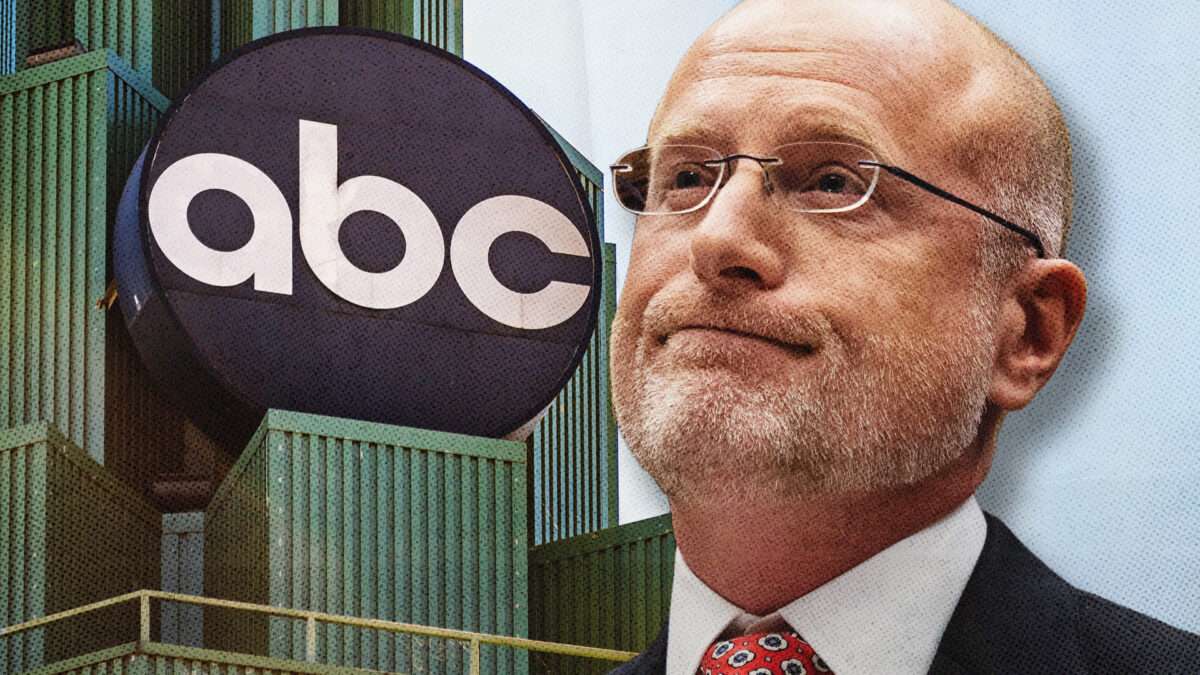
The early renewal order came April 28 from the FCC’s Media Bureau. It directed ABC’s eight stations, from New York to Fresno, to file renewal applications within 30 days, though none of the licenses was due until 2028 at the earliest. FCC Chairman Brendan Carr later said in an interview that the agency had probably not used the tool in 50 or 60 years.
The order arrived one day after President Donald Trump posted that Disney and ABC should immediately fire late-night host Jimmy Kimmel over an April 23 sketch about First Lady Melania Trump. The order itself cited an ongoing investigation into possible Communications Act violations, including unlawful discrimination. Carr asked the Enforcement Bureau to look into Disney’s diversity programs in March 2025.
ABC and Disney sued in August. Government lawyers argued the court lacked jurisdiction and that the review was a lawful investigative step.
Why a District Court Could Hear an FCC Licensing Fight
The government’s lead argument was that Congress sends challenges to FCC actions to the federal appeals courts, not to district judges. AliKhan disagreed. She reasoned that ABC is not contesting a licensing decision. Its claim turns on why the FCC acted, a question the agency has no special expertise to answer.
Waiting for a final FCC order would also come too late, the judge wrote. If the agency eventually renewed the licenses, ABC would have no way to challenge the process it had already gone through. The reasoning follows the Supreme Court’s 2023 decision in Axon Enterprise v. FTC.
How the Judge Reached Her Finding on Motive
A retaliation claim requires protected speech, an action that would discourage a person of ordinary firmness from speaking and a causal link between them. The FCC focused its defense on causation. The court said it did not find the agency’s explanation credible on the record before it.
AliKhan counted eleven public calls by Trump over two years for ABC to lose its licenses, the latest in July. She pointed to the timing of the April 28 order, a day after the Kimmel post, and to Carr’s own September 2025 remark that companies could act on Kimmel or face more work from the FCC. She also noted that the FCC did not spell out its complaints about Disney’s document responses until May 15, after the order.
The judge noted that the FCC had other tools for its investigation, including its general investigative authority, yet chose one it had not used in decades. Because renewal cannot be granted more than 30 days before a license expires, she added, the proceedings could hang over the stations for years.
What ABC Told the Court Has Already Changed
ABC says its editorial choices have shifted:
✓ No political candidate has appeared on The View for several months
✓ A Senate candidate’s Kimmel appearance was posted on YouTube, not broadcast
✓ President Trump’s July address was livestreamed online, not aired
The FCC says those choices were ABC’s own, but the court saw a proceeding already curtailing protected activity.
What the Injunction Leaves Untouched, and What Happens Next
The order is narrower than ABC asked for.
AliKhan declined to bar any informal or formal pressure on ABC’s editorial choices, saying the network had not identified specific threats beyond the renewal proceedings. The Enforcement Bureau’s employment inquiry and the Media Bureau’s review of The View are not covered, because ABC limited its request to the early renewals, and the FCC remains free to use other tools. ABC must post a $1 bond.
Wrong on the facts and wrong on the law.— FCC spokesperson, on the injunction
The FCC said it looks forward to prevailing in full. ABC News called the ruling an important First Amendment victory, and Commissioner Anna Gomez, the FCC’s only Democrat, praised it. The sources reviewed report no notice of appeal as of Nov. 27, though the FCC could ask the D.C. Circuit to review the injunction while the case continues.
Sources
- U.S. District Court for the District of Columbia: Memorandum Opinion, American Broadcasting Companies, Inc. v. FCC, No. 1:26-cv-02902-LLA, ECF No. 72 (Nov. 25, 2026)storage.courtlistener.com(opens in a new tab)
- U.S. District Court for the District of Columbia: Complaint, ABC v. FCC, ECF No. 1 (Aug. 18, 2026)storage.courtlistener.com(opens in a new tab)
- Reuters: Judge bars US FCC from taking steps to threaten ABC’s broadcast license (Nov. 26, 2026)reuters.com(opens in a new tab)
- Associated Press: Judge blocks FCC from early license review for ABC, which network says has had a chilling effect (via Boston 25 News)boston25news.com(opens in a new tab)
- CBS News: Judge temporarily blocks FCC from reviewing ABC’s licenses after network alleged retaliation by Trump (Nov. 25, 2026)cbsnews.com(opens in a new tab)
- Newsweek: Judge blocks FCC review of ABC licenses as commissioner praises ruling (Nov. 26, 2026)newsweek.com(opens in a new tab)