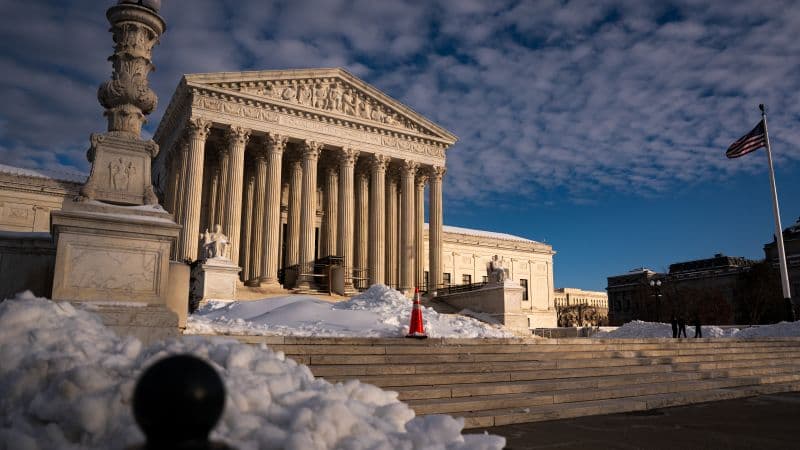
California’s effort to give transgender students control over what their parents know about their gender identity at school hit a major legal wall Monday, when the Supreme Court’s conservative majority froze those policies and handed a clear interim victory to the religious families and educators who had been fighting them. The 6-to-3 decision did not permanently settle the dispute, but it immediately restored a lower court ruling that California officials had worked to keep off the books.
The emergency request had been filed by Christian teachers in San Diego County and two devoutly Catholic married couples who argued that California’s framework quietly turned schools into participants in what they described as a concealment arrangement, keeping parents in the dark about gender transitions that were unfolding in classrooms, sometimes for months on end. Those parents said the practice was not just hurtful. They said it violated their constitutional rights as parents and their religious convictions about sex and gender.
California took a different position throughout the proceedings, arguing its policies were never an outright prohibition on disclosure and that the rules existed for a straightforward reason: some transgender students face genuine risks at home, and the decision about when to share that information should not be stripped from the student entirely. The state pointed to provisions in its own framework that permit and in some cases require disclosure when a student’s health or physical safety is on the line.
Two married Catholic couples entered the litigation raising a related but distinct concern. Each couple said their child had adopted a different gender identity at school, presenting as a different gender among classmates and teachers, without any of that reaching the parents. The couples said they discovered what had been happening not from school officials but through other channels, and that the delay was itself a constitutional injury — evidence that the school had prioritized the student’s preference for non-disclosure over the parents’ right to be involved.
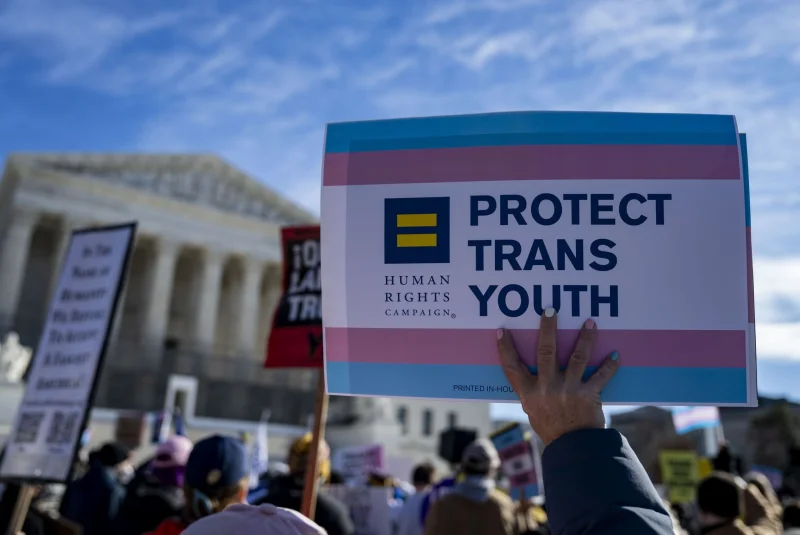
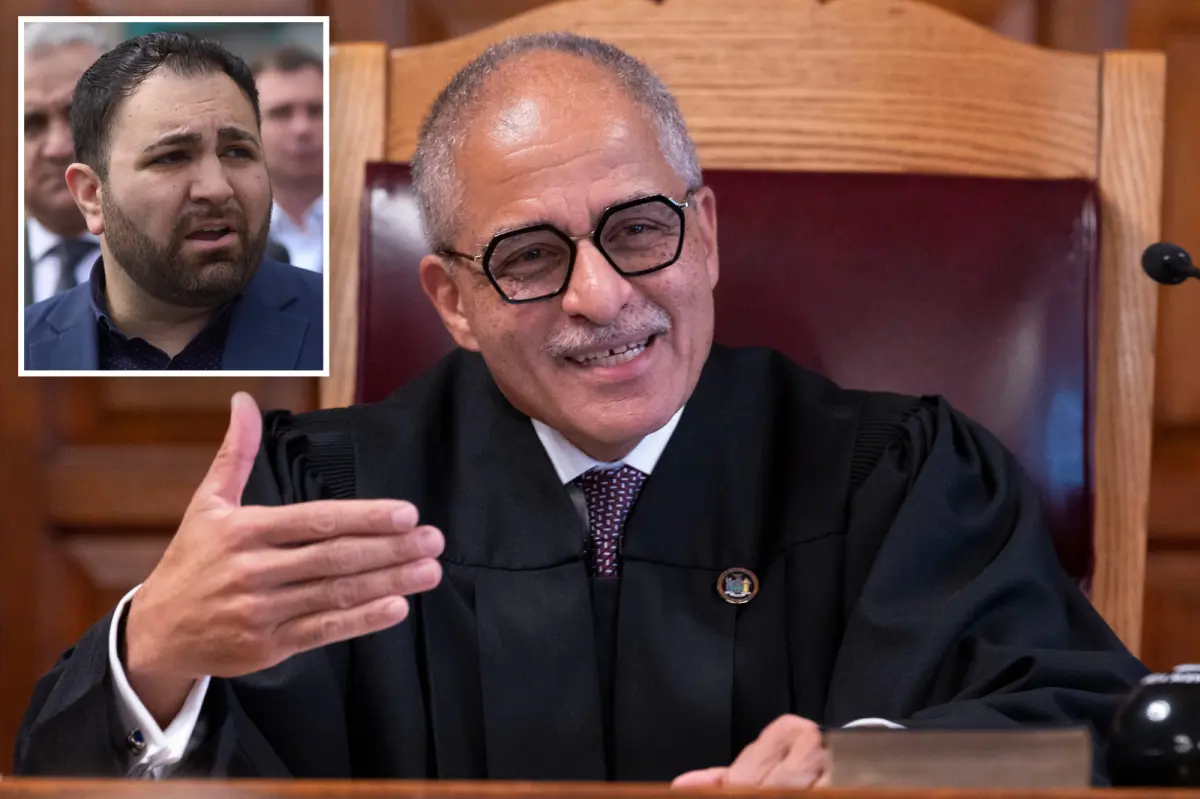
U.S. District Judge Roger Benitez ruled for the families in December, finding their constitutional claims well-grounded on the evidence presented. The Ninth Circuit Court of Appeals, which covers California and much of the western United States, quickly stayed that ruling in January after concluding Benitez had made multiple analytical errors. That stay kicked the case to the Supreme Court, where the conservatives ultimately agreed with the outcome Benitez had reached, even if the full reasoning is still being worked out.
The Bigger Picture: Where This Ruling Lands in the National Transgender Rights Fight
Monday’s decision arrived against a backdrop of sustained legal activity on transgender rights stretching across multiple courts, multiple states, and multiple branches of government. The Supreme Court’s conservative majority has, over recent terms, issued a series of rulings that have moved in a consistent direction: limiting or declining to protect rights that transgender advocates have sought to establish, and upholding restrictions that states and the federal government have sought to impose.
Last year the court unanimously upheld Tennessee’s law restricting gender-affirming medical care for minors, a ruling that cleared legal space for a wave of similar state legislation. The court also let President Trump’s executive order banning transgender individuals from military service remain in effect while challenges proceeded. In January, the justices heard arguments on Idaho and West Virginia laws banning transgender girls from competing in female school sports, with the questioning pattern suggesting the conservative bloc is prepared to uphold those laws as well.
Case Timeline: From San Diego to Washington in Under Three Years
The pace at which this case moved through the federal court system was unusually fast, a fact that itself became a flashpoint in the legal debate. From the initial 2023 filing to a Supreme Court ruling, the case ran through trial court, the Ninth Circuit, and the nation’s highest court within roughly twenty-six months — a timeline that liberal justices argued did not give the courts enough time to properly develop the record or work through the genuinely unsettled legal questions the case raised.
✓ 2023 — Christian teachers and two Catholic couples file the original federal lawsuit in San Diego
✓ December 2025 — District Judge Roger Benitez rules in favor of the plaintiffs on constitutional grounds
✓ January 2026 — The Ninth Circuit stays Benitez’s ruling while the appeal is briefed
✓ March 2, 2026 — Supreme Court votes 6-3 to reinstate the Benitez ruling on an emergency basis
✓ Full merits review before the Ninth Circuit is still pending and expected later this year
Attorney Peter Breen of the Thomas More Society, the conservative legal organization that represented the challengers, called the ruling a breakthrough for parental rights that would shape education law for years. California Attorney General Rob Bonta expressed disappointment, saying his office remained committed to creating school environments that are both safe for students and respectful of the role parents play. Neither side expects this to be the final ruling on the matter.
What Comes Next — and Why the Answer Goes Beyond California
The Supreme Court’s order restores the Benitez ruling to active effect while the Ninth Circuit prepares to take another look at the case with a fuller briefing. That means California schools are once again operating under the guidelines Benitez put in place rather than the state’s preferred framework. The legal uncertainty is real and immediate for district administrators who now face the question of what compliance actually looks like in practice while awaiting a more definitive word from the courts.
The underlying legal questions remain formally unresolved. The emergency order reflects where a majority of the court believes the constitutional analysis likely lands, but a final ruling on the merits, once the Ninth Circuit and potentially the Supreme Court weigh in again, could look different in its scope or its reasoning. Both sides have said they expect the issue to return to Washington for a definitive ruling within the next couple of years.
For states with similar student privacy policies on the books — and several do have provisions comparable to California’s — Monday’s ruling is a signal that those frameworks could face comparable legal challenges. Advocacy groups tracking the litigation are already reviewing which jurisdictions are most exposed and what arguments would be best positioned in light of what the Supreme Court’s majority appeared to find persuasive here.
No more can bureaucrats secretly facilitate a child’s gender transition while shutting out parents.— Peter Breen, Thomas More Society
The California case is one of dozens of disputes at the intersection of transgender rights, parental authority, and religious freedom that are currently moving through federal courts. The Supreme Court has shown a consistent appetite for taking up the most significant of these, and the pattern of its recent rulings gives conservative litigants reason to believe the current court is more likely than not to extend Monday’s interim victory into a lasting legal principle.
For transgender students and their families, the picture is more complicated. The safety concerns that animated California’s original policies have not gone away because of a court order. Organizations that support those students say the ruling makes the work of protecting young people in schools harder, and that the fight over how far parental rights reach in the context of gender identity is far from finished.