
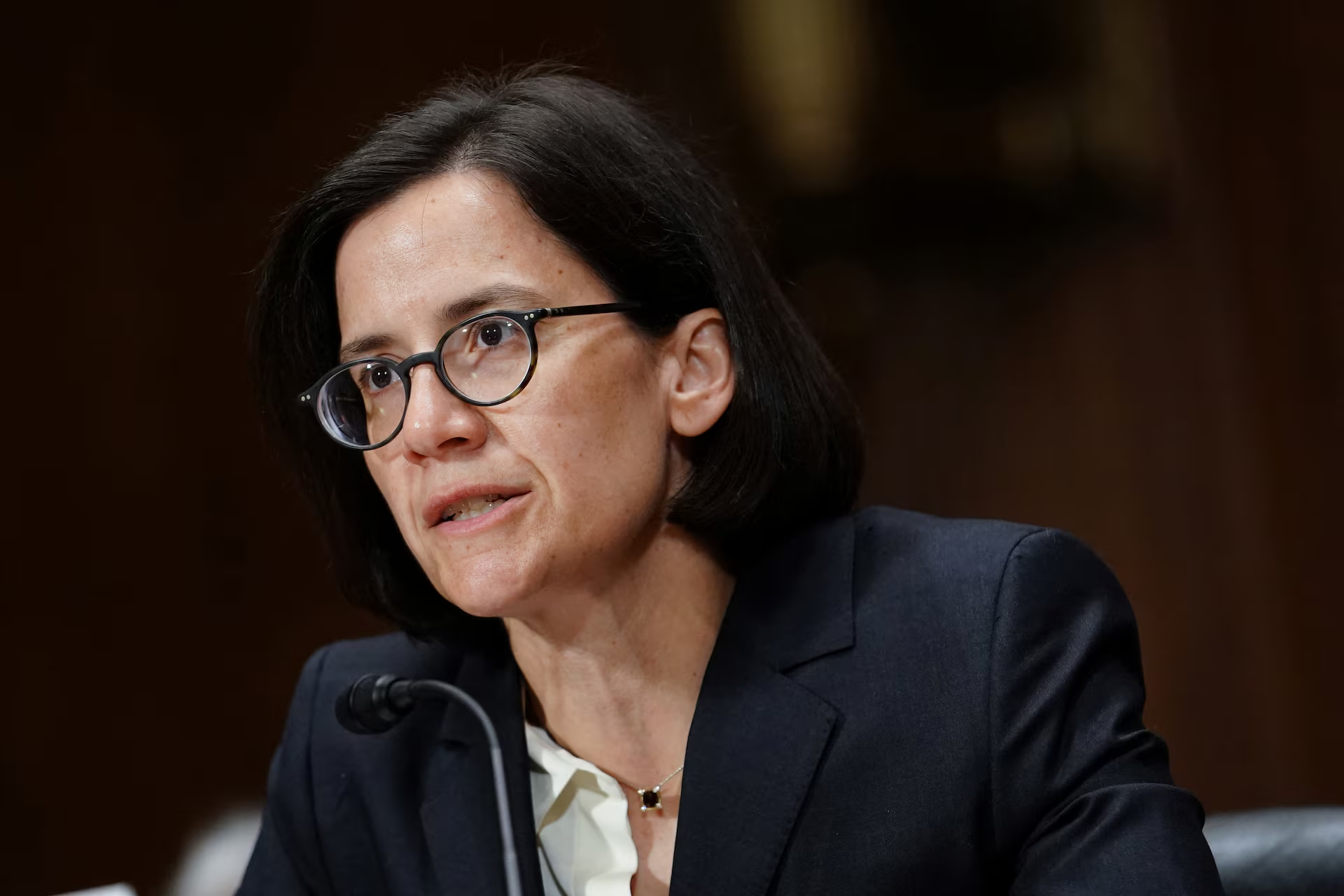
Federal judges from Miami to Memphis are no longer willing to stay quiet about an escalating surge of personal threats across the country aimed at the bench — a problem that several court officials described Thursday as one of the most serious institutional challenges now confronting the American justice system. Speaking during a virtual forum organized by Speak Up for Justice, five federal judges who collectively represent both Democratic and Republican presidential appointments described a climate of intimidation that has moved from the digital world directly onto their front doorsteps.
Federal judges are now sounding the alarm over an escalating surge of threats across the country, including death threats, hateful emails, and intimidating tactics targeting members of the judiciary.
The forum came three days after U.S. Supreme Court Chief Justice John Roberts delivered one of the most pointed public statements in recent memory on judicial safety, telling an audience that personal hostility aimed at judges is dangerous and has to stop. Thursday's gathering gave voice to lower court judges who said they shared that assessment — and felt newly permitted to say so. A judicial ethics opinion issued last month advised that federal judges could speak out in defense of colleagues facing illegitimate attacks without running afoul of the professional restraint rules that have traditionally kept most members of the bench from entering public debates about their own treatment.
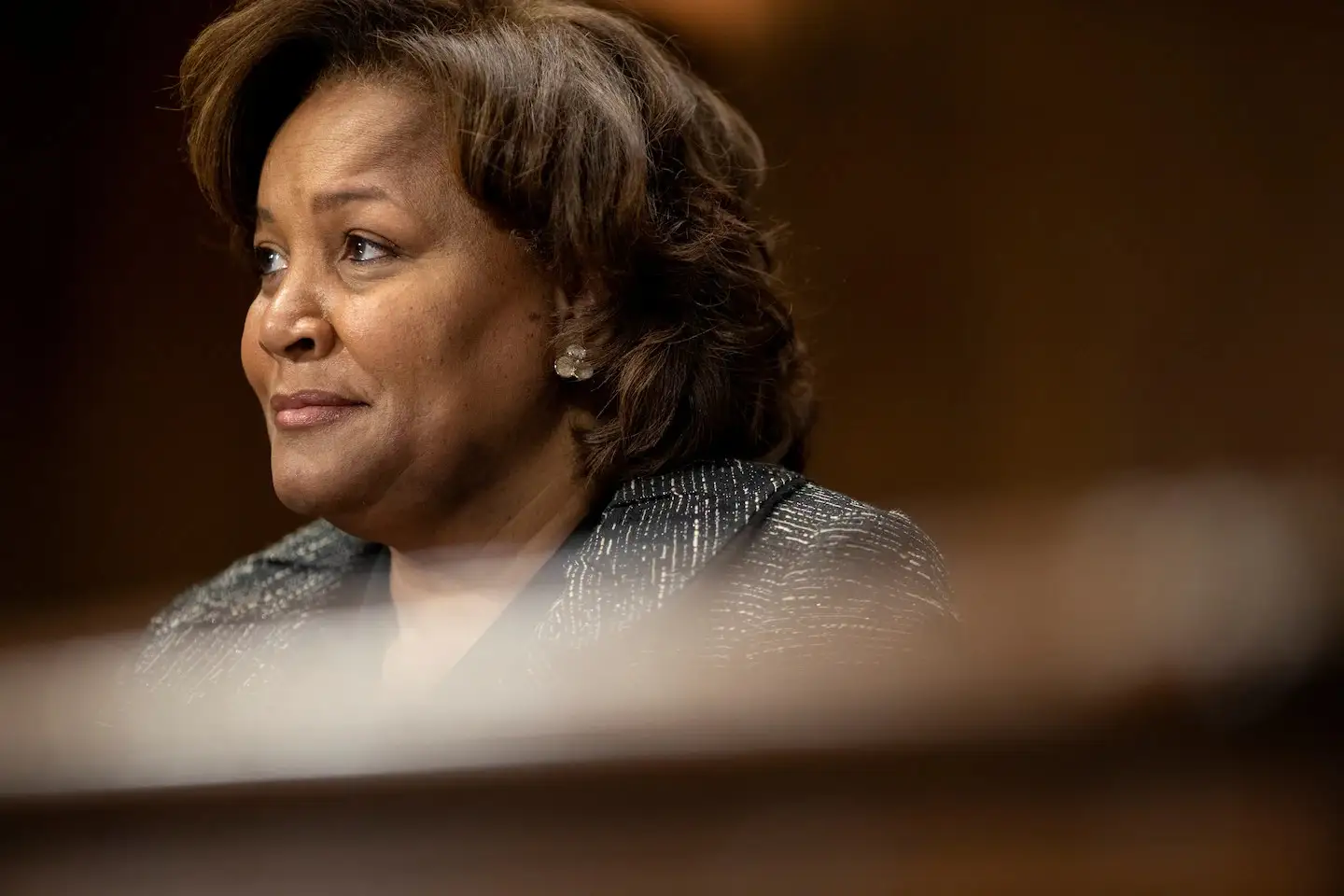
U.S. District Judge Beth Bloom, who sits in Miami's Southern District of Florida, put the shift plainly. Staying quiet is no longer an option, she told the audience. Bloom, who has presided over a range of high-profile cases, was among the five judges who described receiving messages wishing them dead. She said the volume and tone of what is now arriving in judges' inboxes and voicemail boxes has crossed a threshold that makes continued silence irresponsible.
"The threats are real and they continue. What is happening to federal judges across this country is not incidental — it is sustained, it is organized, and it demands a response.
— U.S. District Judge Mark Norris, Trump appointee, Memphis, Tennessee
The most detailed personal account at Thursday's event came from U.S. District Judge Ana Reyes, a Biden appointee based in Washington who has been at the center of one of the most politically charged federal cases of the year. In February, Reyes blocked the Trump administration from terminating Temporary Protected Status for more than 350,000 Haitian migrants — a ruling that drew an immediate and vicious public reaction. The messages that followed were, in her description, countless, threatening, and deeply problematic.
Reyes read one of those messages aloud — as she had previously done in open court — to give the public a concrete sense of what judges are actually receiving. The message stated: I hope you lose your life by lunchtime, you worthless whore. She said the threats did not stop at her judicial decisions. A subset targeted her for being gay, and another group attacked her Uruguayan background, telling her she was being un-American, acting undemocratically, or that she should go back to the country she came from.
Reyes described that last category as the most painful. The suggestion that a naturalized American citizen who sits on a federal court is somehow less entitled to do her job than a native-born judge — or that a judicial ruling she made in good faith is evidence of disloyalty to the country — struck her as the most corrosive element of what is now circulating through these threatening communications. She did not name specific senders, as most of the messages arrive anonymously or through intermediaries who make attribution difficult.
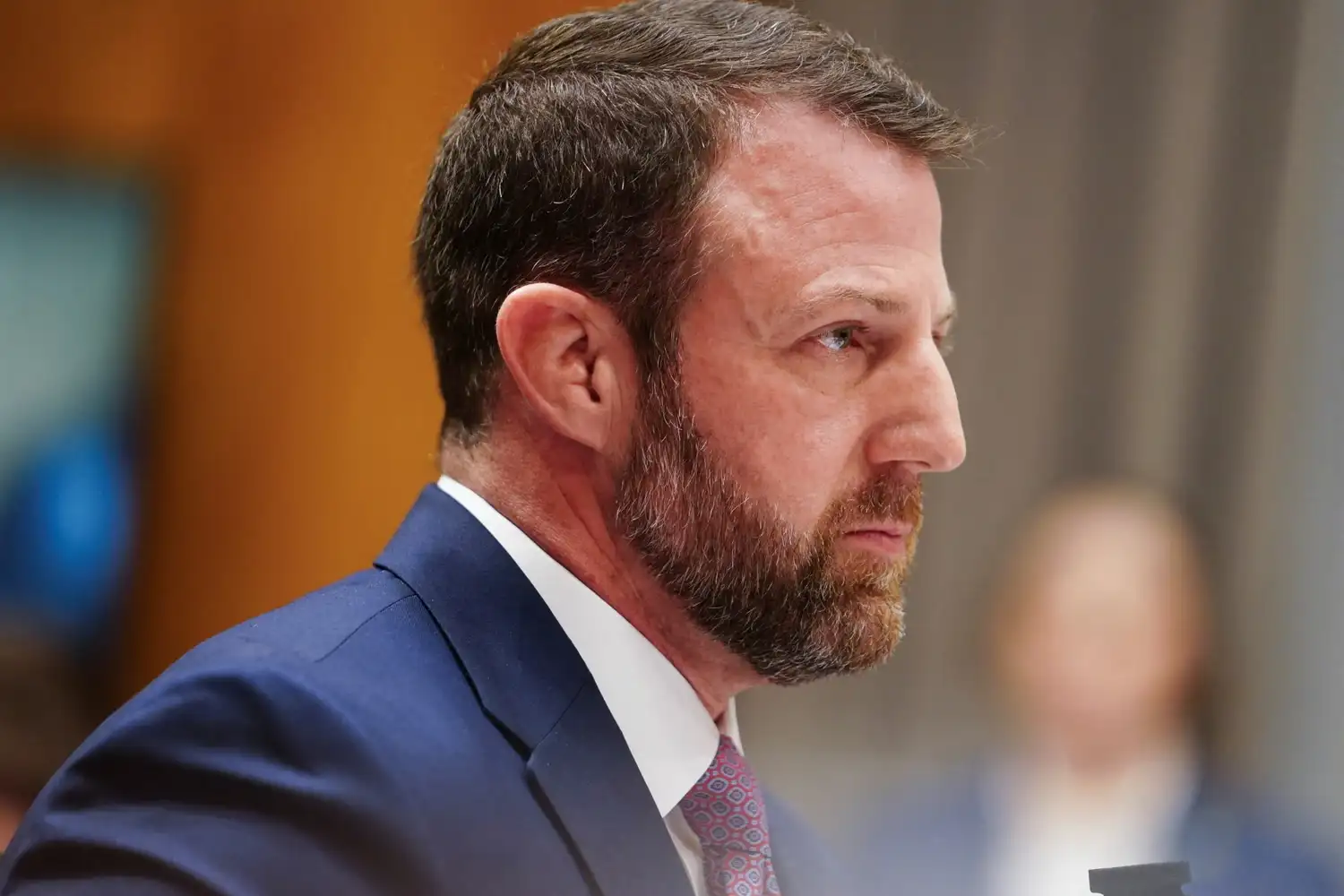
The numbers behind those individual accounts are significant. The United States Marshals Service, which is responsible for protecting the federal judiciary, recorded 564 credible threats directed at 396 federal judges during fiscal year 2025, which ended September 30. In the months since the new fiscal year began, the Marshals Service has already tracked 241 threats against 202 judges — a pace that would outstrip last year's annual total if it holds through September.
The Pizza Deliveries: A We-Know-Where-You-Live Warning
Among the most unsettling specific incidents described Thursday was one that has been quietly spreading through the federal judiciary for months: anonymous, unsolicited pizza deliveries sent to judges' private homes. The tactic is not random. It carries a specific and well-understood message — that whoever sent it knows the judge's home address, and wants the judge to know that they know.
U.S. District Judge Mark Norris, a Trump appointee in Memphis who serves on the Western District of Tennessee, told the audience that he, like a number of other judges in recent months, had received exactly such a delivery. The pizza had been ordered in the name of Daniel Anderl — the son of U.S. District Judge Esther Salas, who was shot and killed at age 20 in July 2020 when a gunman posing as a FedEx driver came to the Salas family home in North Brunswick, New Jersey. The gunman, a disgruntled attorney who had a case before Judge Salas, had obtained her home address through a commercial data broker. He shot Daniel when the young man answered the door, and also wounded Salas' husband before later taking his own life.
The use of Daniel Anderl's name on these deliveries appears calculated to make the parallel explicit: judges receiving them are meant to understand that the people behind the messages are aware both of their home address and of what happened to a judge's family member when that address became known. Judge Salas has since become one of the country's most prominent advocates for federal legislation that would restrict public access to the personal information of federal judges and their immediate family members. Several bills have moved through Congress in recent years with bipartisan support, though comprehensive legislation has faced delays. Norris acknowledged the episode with a brief moment of dark humor: he told the group he had not eaten pizza since the delivery arrived and felt healthier for it.
The Ethics Opinion That Changed the Calculation
For most of the post-Watergate era, the prevailing interpretation of judicial ethics rules counseled federal judges to avoid almost any form of public controversy, including controversy about their own safety and treatment. Judges were not to appear at political events, comment on pending legislation, or weigh in on matters that could be seen as taking sides in any broader public debate. That culture of institutional restraint is deeply ingrained, and many judges who have received threatening communications in recent years said privately that they were uncertain whether they were even permitted to say so publicly.
The opinion issued last month by a federal judicial ethics panel sought to resolve that uncertainty. It drew a distinction between partisan political activity — which remains off-limits — and advocacy on behalf of judicial security and institutional independence, which the panel concluded judges could engage in without violating their ethical obligations. The opinion specifically addressed situations in which colleagues are subjected to what it described as illegitimate attacks, noting that silence in those circumstances could itself be misread as acquiescence.
Several judges at Thursday's event cited the opinion directly as a reason they felt able to participate in a public forum. The distinction matters to judges who take their professional obligations seriously and do not want their public statements to be seen as a departure from the standards they apply in their courtrooms. The ethics panel gave them a framework for participating in this conversation without crossing into the kind of political engagement that would undermine the independence they are trying to defend.
Key Facts From Thursday's Forum
The event, hosted by Speak Up for Justice, featured five federal judges appointed under both Democratic and Republican presidents. The Marshals Service data, the personal accounts from Judges Reyes, Bloom, and Norris, and the call for bar associations to respond more forcefully were the central elements of a forum that organizers said was intended to make the scale of the problem visible to a public that may not fully understand what members of the federal judiciary are currently facing on a daily basis.
✓ 564 threats recorded against 396 federal judges in fiscal year 2025
✓ 241 threats tracked against 202 judges in fiscal year 2026 so far
✓ Pizza deliveries sent to judges' homes referencing the 2020 killing of Judge Salas' son
✓ New ethics opinion permits judges to advocate for judicial security and independence
✓ Chief Justice Roberts publicly condemned personal hostility toward judges on Tuesday
✓ Five judges from both parties spoke at Thursday's virtual Speak Up for Justice forum
✓ Judges urged bar associations to formally condemn personal attacks on judiciary
The judges who spoke Thursday were careful to distinguish between legitimate criticism of judicial decisions — which they said is not only permissible but essential in a democratic system — and personal threats aimed at judges, their families, and their homes. That distinction, several of them said, has been deliberately blurred by some of the people sending threatening communications, who frame their messages as political protest while including specific personal details and explicit wishes for physical harm.
What Judges Are Asking the Legal Profession to Do
Beyond documenting the problem, the judges at Thursday's event spent considerable time addressing what they believe needs to happen next. Their primary target was the legal profession itself — specifically bar associations at the state and national level, which they said have been too slow to treat personal attacks on judges as a professional conduct issue requiring a formal institutional response.
The argument is straightforward: lawyers are officers of the court, and the codes of professional conduct that govern their behavior are administered by bar associations. When lawyers participate in campaigns to intimidate judges — whether by sending threatening communications, amplifying them, or publicly encouraging others to do so — they are not simply exercising free speech. They are acting in a manner that directly undermines the judicial institution in which they are licensed to practice. The judges at Thursday's event said bar associations have both the authority and the responsibility to make that clear and to act on it.
The broader political backdrop to these events is one in which some prominent elected officials, including the current president, have publicly criticized federal judges by name following rulings they did not like. Legal scholars and former judges have noted that this pattern — which is unusual in American history at its current scale — may be contributing to the environment in which threats are being generated. When senior political figures treat adverse judicial decisions as illegitimate acts of political sabotage, the argument goes, they normalize a view of the judiciary in which judges who rule the wrong way have forfeited some claim to public safety.
Chief Justice Roberts, in his remarks on Tuesday, did not name any specific political figures or pending cases. He framed the issue in institutional terms: the courts exist to apply the law as written, and an environment in which judges face personal threats for their rulings is an environment in which the rule of law itself is at risk. That framing — which emphasizes the institutional stakes rather than the partisan ones — was echoed by virtually every judge who spoke at Thursday's event, regardless of the party of the president who appointed them.
Staying quiet is no longer an option. What is coming into our inboxes and onto our doorsteps is not criticism of decisions — it is an attempt to frighten us out of making them.— U.S. District Judge Beth Bloom, Southern District of Florida, Miami
Whether Thursday's public forum will produce concrete changes — in bar association policy, in congressional action on judicial security legislation, or in the broader political climate in which these threats are being generated — is an open question. What the five judges who participated in it made unmistakably clear is that the problem has reached a point where the judiciary's traditional culture of public restraint has become, in their view, part of the problem. Silence, they argued, is no longer a neutral act. It is a contribution to the conditions that make the threats more likely to continue.