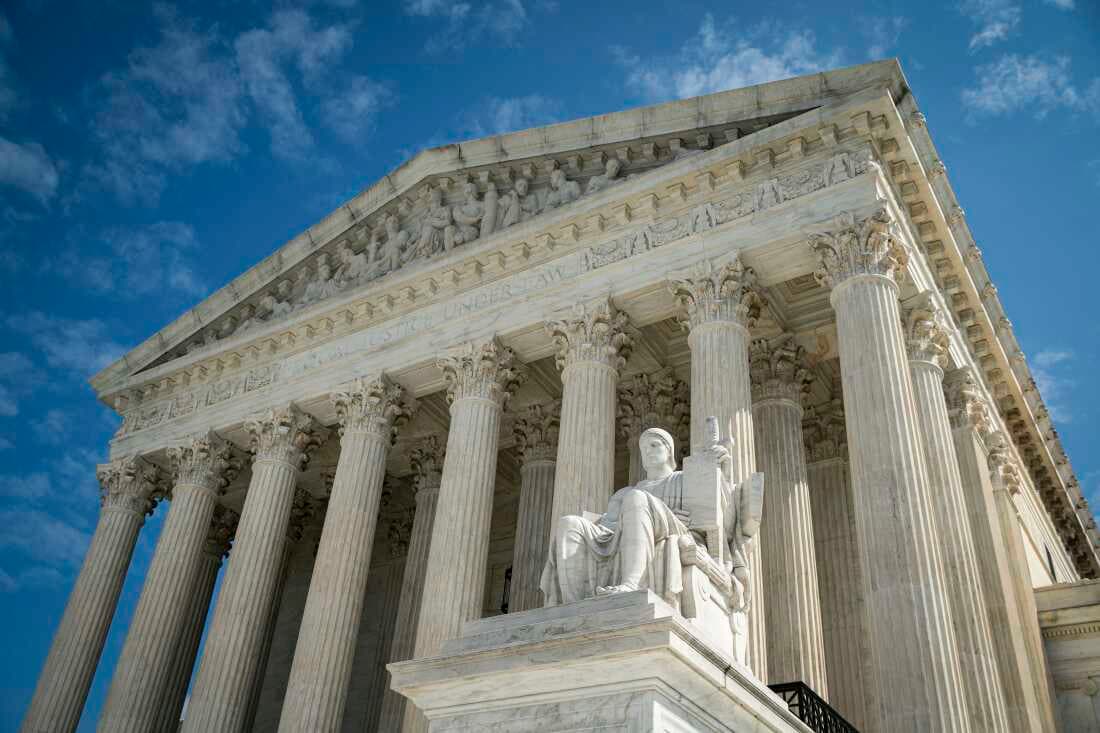

The U.S. Supreme Court took a rare and deliberate step on May 4, 2026, fast-tracking its formal judgment in Louisiana's redistricting fight — a procedural move that clears the way for Republican lawmakers to immediately begin redrawing the state's congressional maps, with the 2026 midterm elections now just six months out.
The decision came less than a week after the Court's April 29 ruling in Louisiana v. Callais (No. 24-109), which struck down the state's existing congressional map as an unconstitutional racial gerrymander in a 6-3 vote along ideological lines. Under standard Supreme Court procedure, known as Rule 45.3, a final judgment does not formally issue to lower courts for 32 days — a window designed to allow parties to seek rehearing. Louisiana asked the Court to waive that window and issue judgment immediately, citing the urgency of a looming election. The conservative majority agreed.
The move carries serious consequences for minority voters across Louisiana. The April 29 ruling found that the state's map, which included a second majority-Black congressional district drawn under earlier Voting Rights Act litigation, improperly made race the predominant factor in drawing those lines. With the map invalidated and the Republican-controlled legislature now empowered to start fresh, legal experts widely expect the new map to eliminate one of the two existing majority-Black congressional seats.
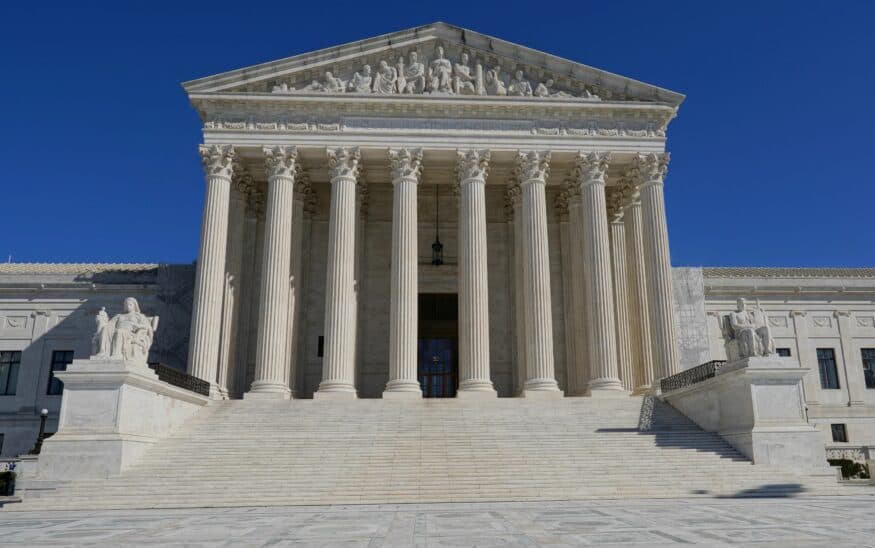
The Supreme Court’s expedited order clears the path for GOP lawmakers to redraw Louisiana’s congressional maps before the 2026 midterms.
"The date scheduled for the beginning of early voting in the primary election has already passed. The congressional districting map enacted by the legislature has been held to be unconstitutional, and the general election will be held in just six months.
— Justice Samuel Alito, writing for the majority on the expediting order
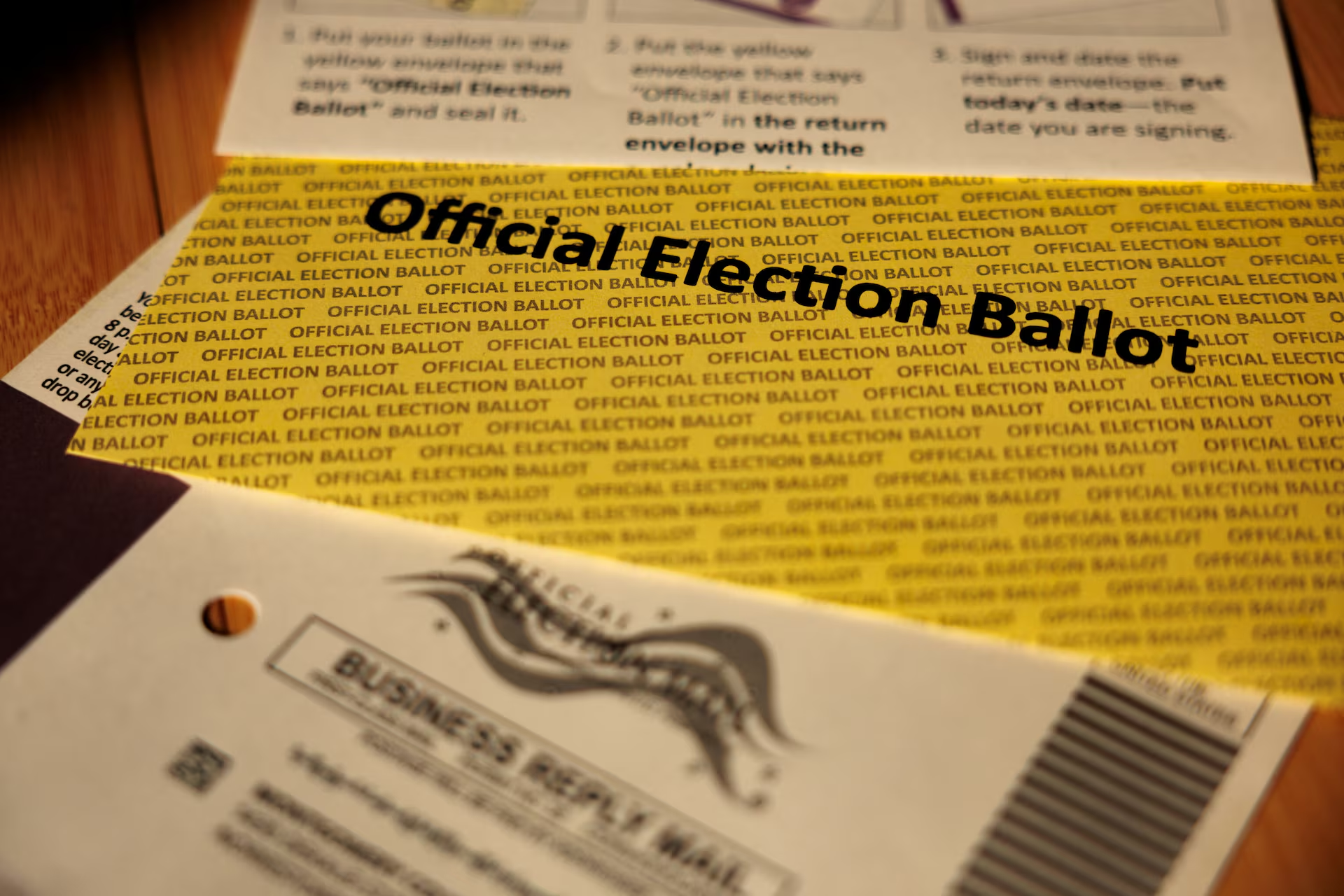
Governor Jeff Landry moved swiftly even before Monday's order arrived. Louisiana had already suspended its congressional House primaries and rescheduled them for mid-July to accommodate the redistricting timeline. The cancellation came after mail-in ballots had already gone out to overseas voters ahead of the original May 16 primary — a decision now subject to separate ongoing litigation. Legal observers say the Supreme Court's expedited ruling will likely bolster the state's legal defense in those proceedings.
The April 29 ruling's implications extend well beyond Louisiana. While the Court stopped short of formally striking down Section 2 of the Voting Rights Act in its written holding, the majority's reasoning effectively dismantles it in practice. The decision holds that race cannot be the predominant factor in drawing districts even when the stated purpose is to comply with the Act — a standard that leaves future voting rights plaintiffs with a drastically narrowed legal path forward.
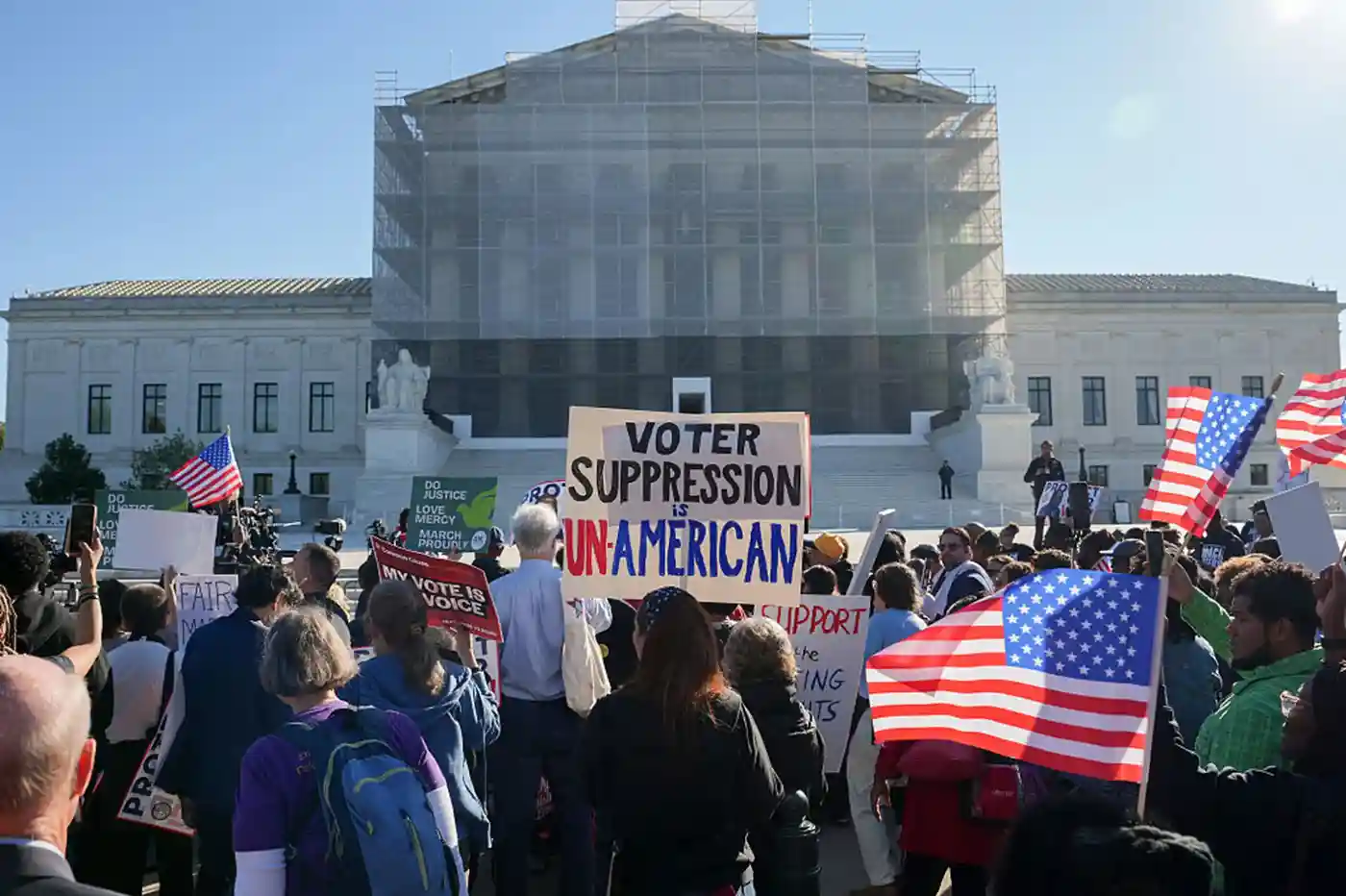
Republican lawmakers are expected to quickly redraw district boundaries following the Court’s unusual procedural move.
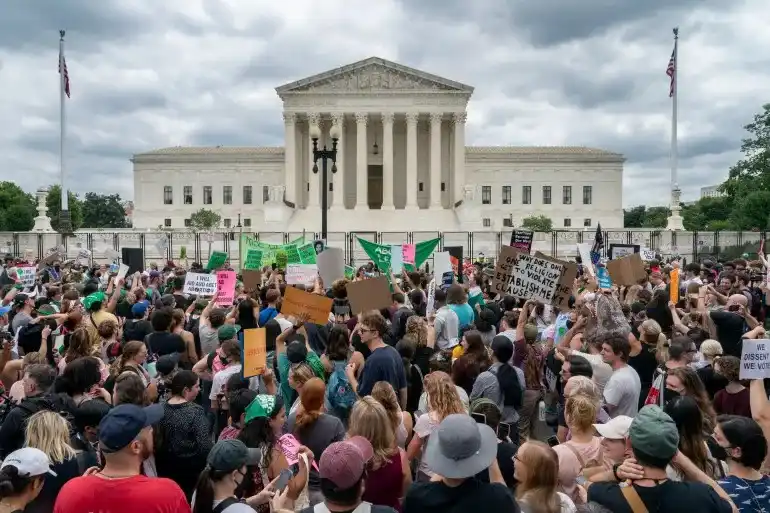
Justice Elena Kagan, dissenting in the April 29 ruling, wrote that the majority's reasoning renders Section 2 'all but a dead letter' — language that civil rights organizations and Democratic lawmakers have since echoed in renewed calls for Congress to act.
Jackson and Alito Clash Over the Court's Unusual Procedural Move
The decision to issue the judgment forthwith drew a sharp and unusually personal rebuke from Justice Ketanji Brown Jackson. In her dissent, Jackson noted that in the past 25 years, the Court had taken this step only twice — making Monday's action a significant and deliberate break from established practice. She accused the majority of abandoning neutrality by choosing to actively shape how its own ruling gets implemented rather than letting the standard process play out.
'Not content to have decided the law, it now takes steps to influence its implementation,' Jackson wrote. She went further, calling the move tantamount to an endorsement of Louisiana's decision to pause an ongoing election and install a new map. 'The Court unshackles itself from both constraints today and dives into the fray. And just like that, those principles give way to power.' Alito, joined by Justices Clarence Thomas and Neil Gorsuch, fired back, calling Jackson's language 'baseless and insulting' and 'utterly irresponsible.'
The Voting Rights Act and the Decades of Litigation Behind This Moment
Signed into law in 1965, the Voting Rights Act was crafted to dismantle the systematic disenfranchisement of Black voters, particularly in Southern states. Section 2, the provision central to this case, allows individuals and the federal government to challenge election laws and redistricting plans that result in discrimination against minority voters. It has been the legal foundation for decades of redistricting cases — including the earlier Louisiana litigation that originally compelled the creation of the second majority-Black district that the Court has now struck down. The cycle is as striking as it is consequential.
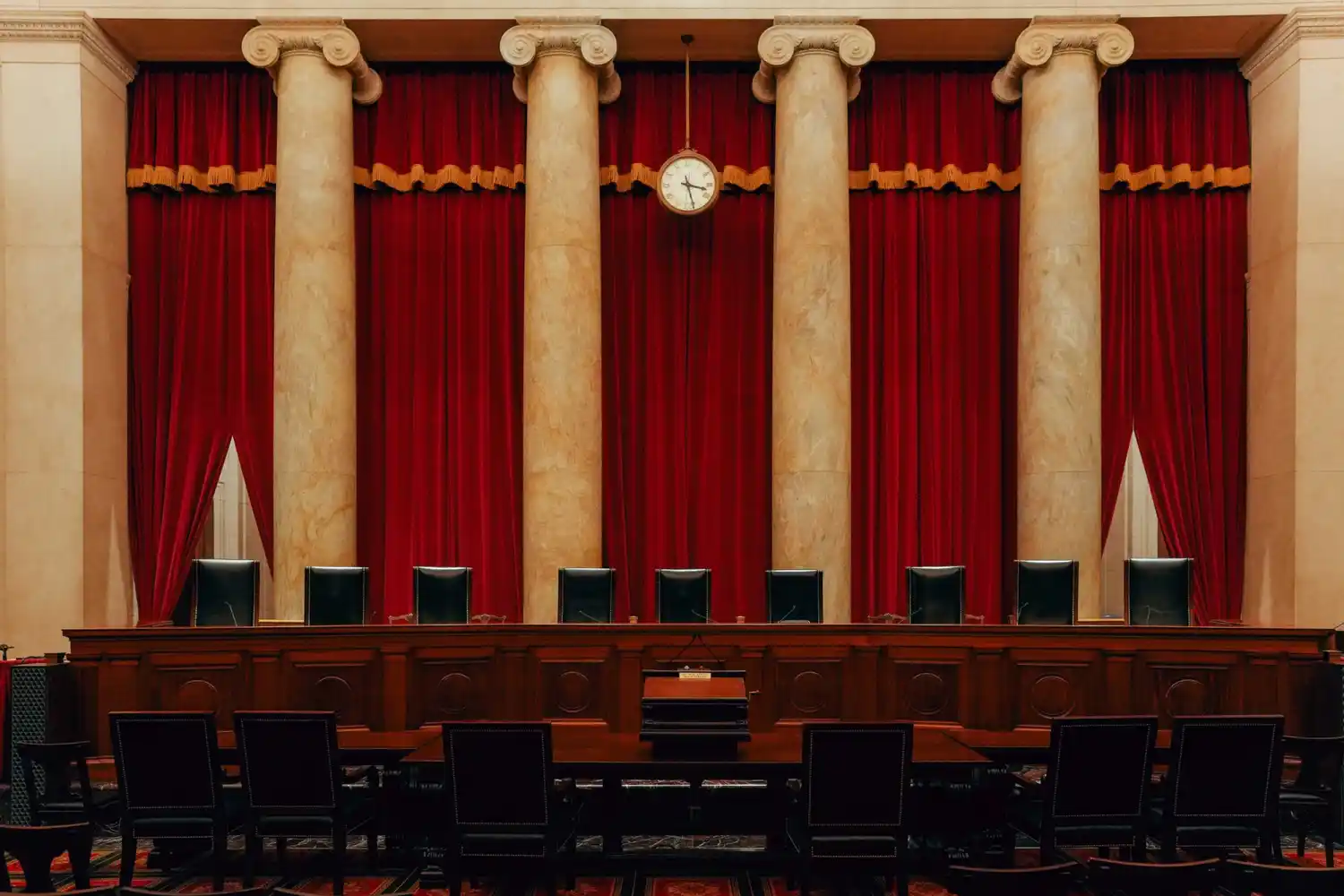
Key Facts at a Glance
The case's timeline has moved with unusual speed at every stage. The April 29 ruling itself arrived just as Louisiana's primary season was already underway, and Monday's procedural order compressed the usual post-decision timeline even further, giving state lawmakers no room to delay.
✓ Ruling Date: April 29, 2026 — Supreme Court strikes down Louisiana's congressional map 6-3
✓ Expedited Order: May 4, 2026 — Court issues judgment forthwith, waiving the standard 32-day Rule 45.3 period
✓ Primary Suspended: Louisiana's May 16 congressional primary cancelled; rescheduled to mid-July
✓ VRA Section 2: Significantly narrowed in practice, though not formally repealed in the Court's written opinion
✓ Expected Redistricting Impact: Likely elimination of one of Louisiana's two majority-Black congressional districts
✓ Dissent Highlight: Jackson noted the Court has issued judgment forthwith only twice in the past 25 years
Civil rights organizations and the Department of Justice are expected to respond formally in the coming days as Louisiana's legislature convenes to begin map-drawing proceedings under the compressed timeline.
What Comes Next — For Louisiana and for Voting Rights Nationally
With the judgment now formally in hand, Louisiana Republicans face a politically charged and legally treacherous sprint. The legislature must draft a new map, move it through both chambers, and then brace for what is widely expected to be an immediate wave of legal challenges — all before the rescheduled July primary. Civil rights attorneys have already signaled that any map diminishing Black voting power will be contested without delay.
At the national level, Monday's order sends a clear signal about where the Roberts Court stands on voting rights entering another election cycle. For decades, the Voting Rights Act functioned as a meaningful check on efforts to dilute minority political representation through creative map-drawing. That check is now considerably weaker — and a six-justice conservative majority has shown it is prepared to move decisively to implement that reality.
The Court's decision to buck our usual practice under Rule 45.3 and issue the judgment forthwith is tantamount to an approval of Louisiana's rush to pause the ongoing election in order to pass a new map.— Justice Ketanji Brown Jackson, dissenting
Legal analysts say the ruling could reshape congressional redistricting battles nationwide ahead of the midterms.
The case will not end with Monday's order. Whether through appeals in the redistricting litigation itself, separate challenges to the cancelled primary, or a future case squarely addressing the continued viability of Section 2 claims, the legal battle over voting rights in Louisiana is far from settled. What is clear is that the nation's highest court moved with unusual urgency to accelerate that fight — and in doing so, stepped directly into the middle of a live election.