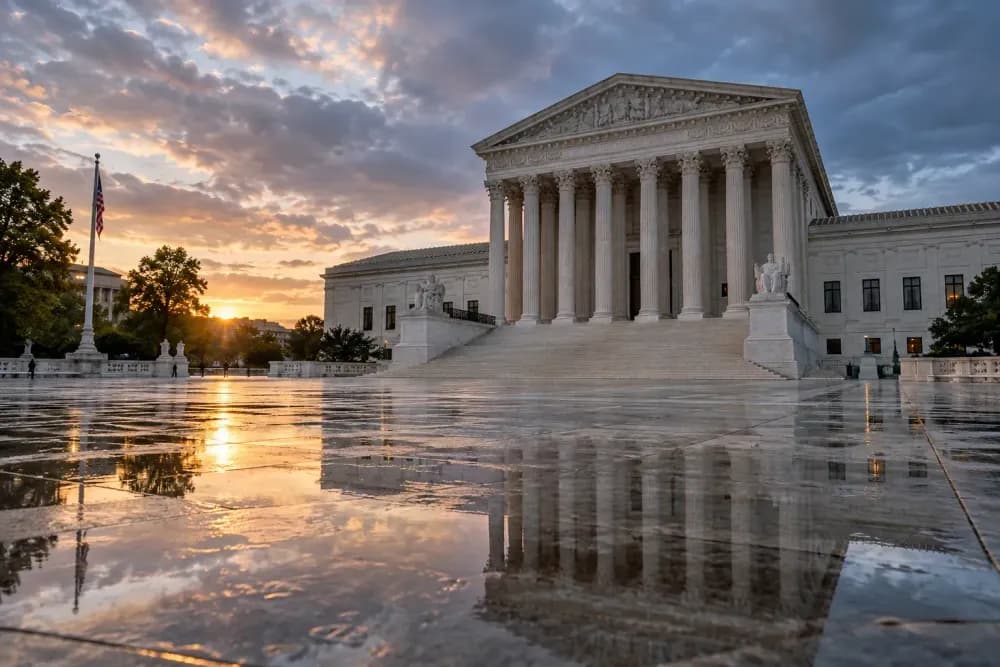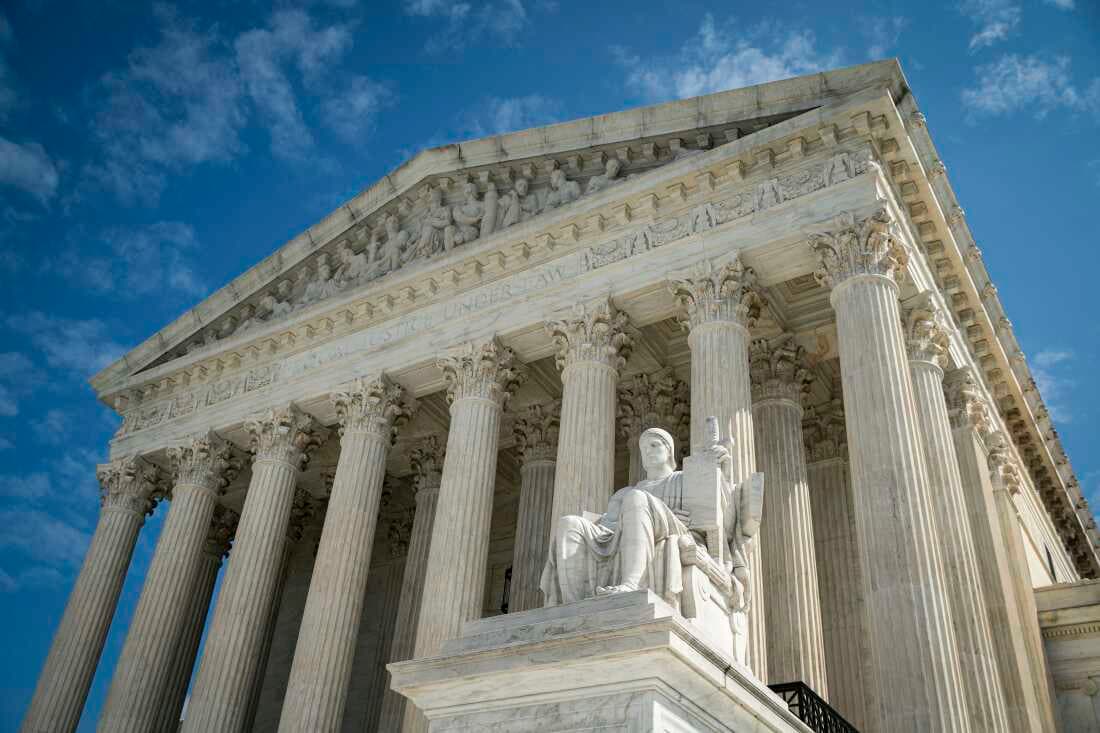

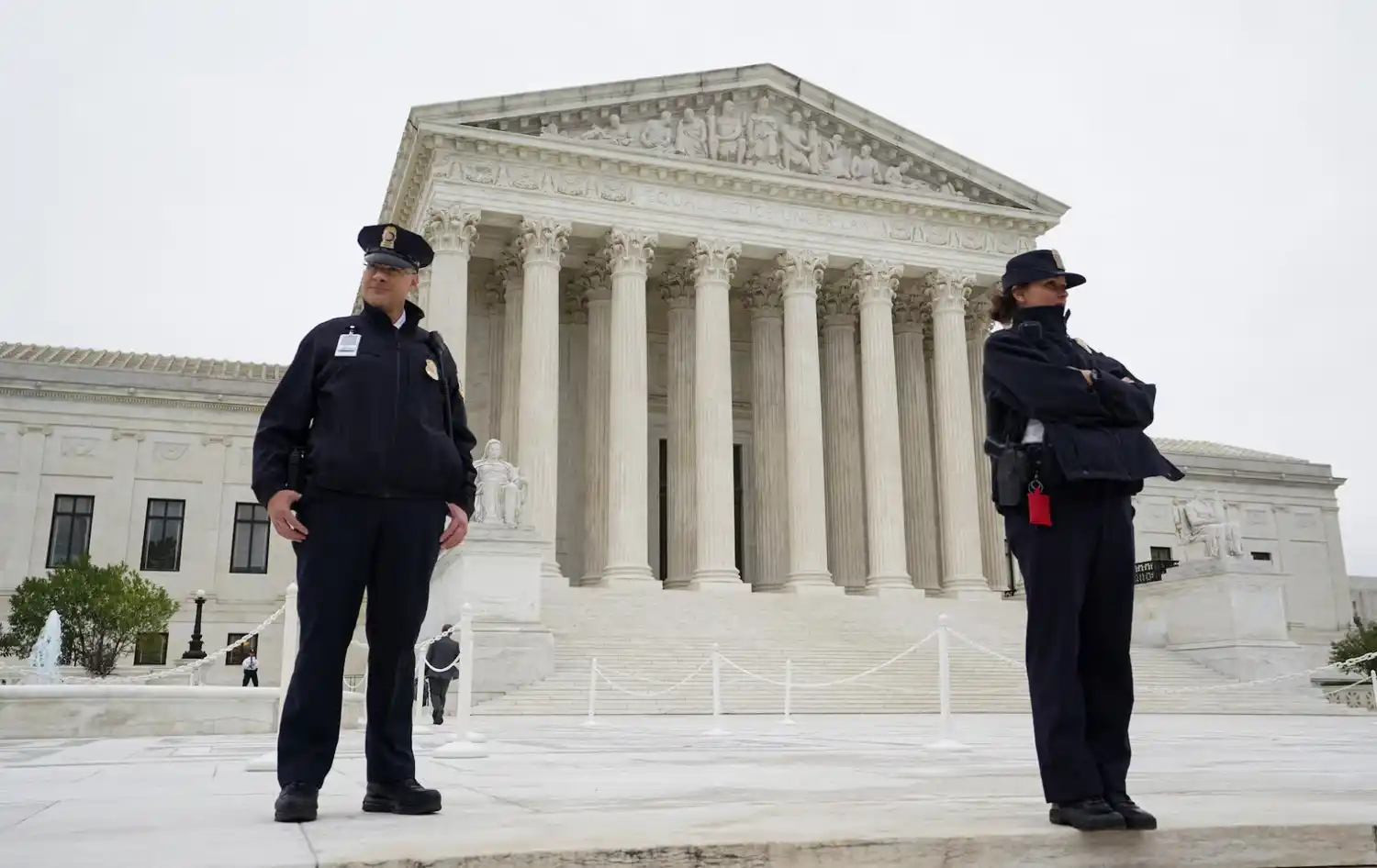
An elderly Alaska man is set to enter a guilty plea in federal court this week after authorities say he bombarded the U.S. Supreme Court's official website with more than 500 threatening messages aimed at six sitting justices — communications that prosecutors say escalated from expressions of political frustration into explicit calls for murder and assassination.
Panos Anastasiou, 77, of Anchorage, is scheduled to appear before a federal judge on Thursday, April 16, 2026, for a change-of-plea hearing. The proceeding will formalize his agreement to plead guilty to two charges: making threats against a federal judge, and knowingly possessing a firearm despite a prior felony conviction — a combination that underscores the seriousness with which prosecutors have pursued the case.
The plea deal, which prosecutors say they reached with Anastasiou after charges were first filed in 2024, recommends probation coupled with home confinement rather than a prison term. His court-appointed attorney had not responded to requests for comment at the time of publication.
"Every American should volunteer to ASSASSINATE not just Trump but the 6 corrupt unelected scumbags and whoever stands in the way.
— Panos Anastasiou, via Supreme Court website message, July 5, 2024 (as cited in federal plea agreement)
According to federal prosecutors, Anastasiou began sending messages through the Supreme Court's public website in March 2023. The volume and intensity of those communications grew steadily over the following months before sharply escalating in January 2024, when investigators say the messages shifted to explicit threats of violence and retaliation against named justices.
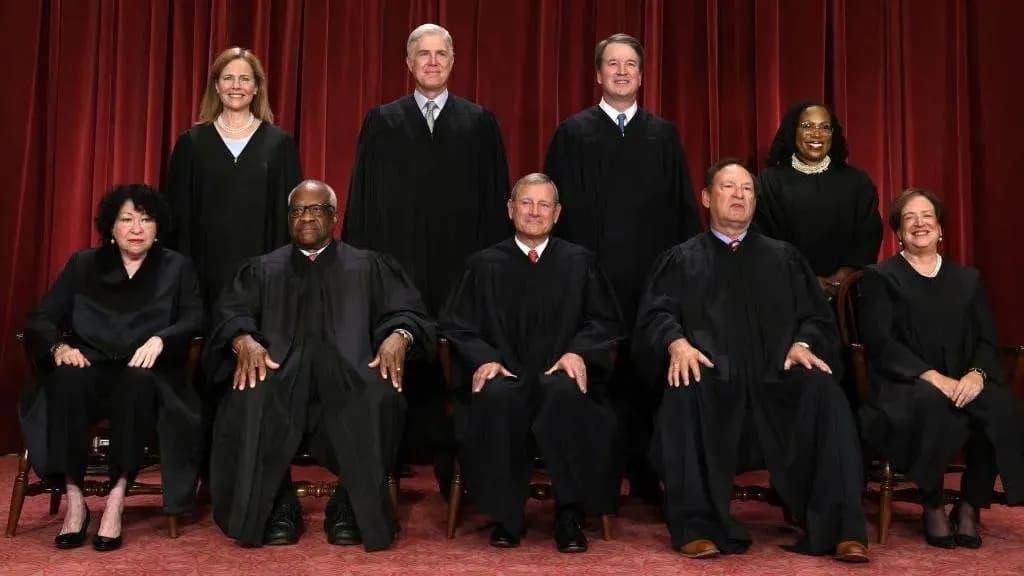
The plea agreement specifically cites a message sent on July 5, 2024 — just days after the court's six-member conservative majority handed down a landmark ruling granting former and now-current President Donald Trump broad criminal immunity for official acts taken while in office. That message used a racist slur against Justice Clarence Thomas and called for the killing of Thomas, Chief Justice John Roberts, and Justice Samuel Alito by name. In total, authorities say Anastasiou sent upward of 500 such communications over the course of more than a year.
The original indictment against Anastasiou, filed in 2024, included 22 counts in total — nine charges of threatening a federal judge and thirteen charges of making threats in interstate commerce. The plea agreement narrows that exposure considerably, though home confinement will still impose strict limitations on his freedom.
A Climate of Escalating Threats Against the Federal Judiciary
The Anastasiou case is far from an isolated incident. Federal data shows that threats directed at the nation's judiciary have climbed to troubling levels in recent years. The U.S. Marshals Service recorded 564 credible threats against 396 federal judges during the 2025 fiscal year alone — a figure that has alarmed court security officials and members of the legal community who argue that judicial independence is being corroded by political hostility.
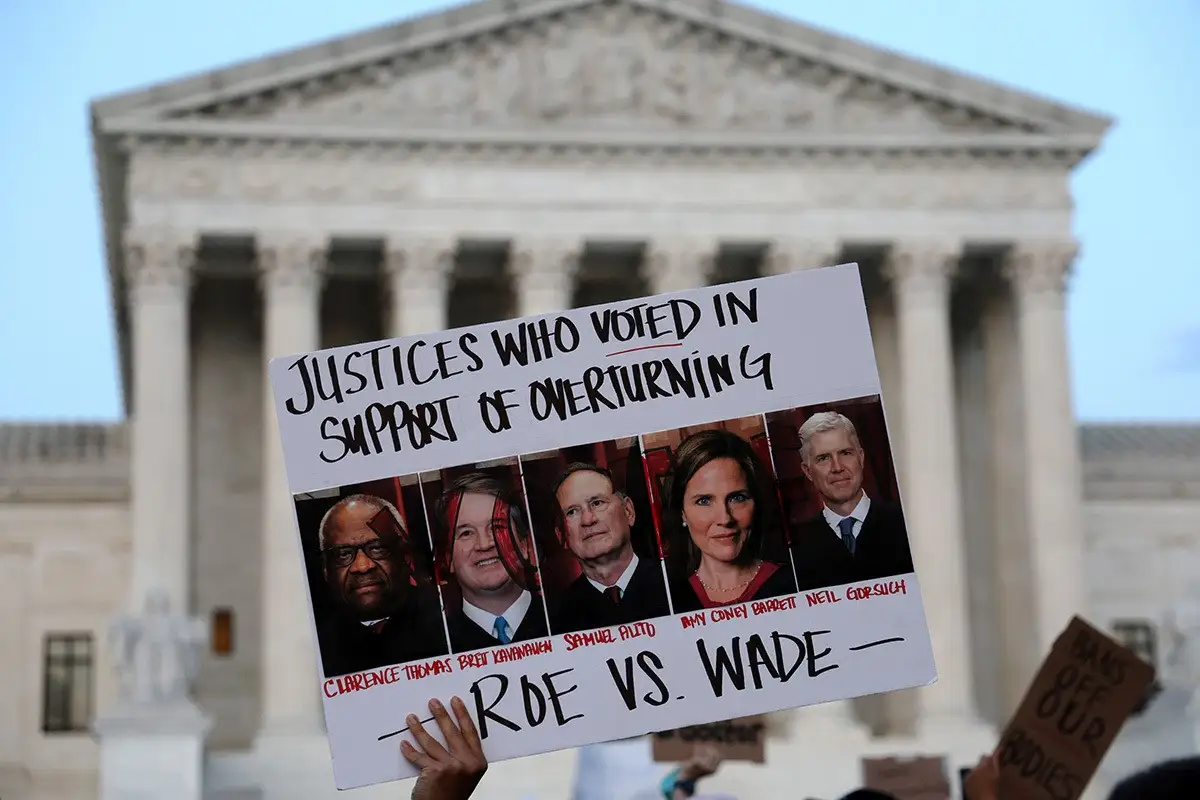
The pattern has prompted renewed calls in Congress and among legal advocacy groups for stronger protections for judges and their families, particularly as high-profile rulings on politically divisive issues — from abortion rights to presidential immunity to federal trade powers — continue to generate intense public reaction. Security arrangements around Supreme Court justices were tightened significantly following the 2022 arrest of a man outside Justice Brett Kavanaugh's home who was found to be carrying weapons and said he intended to kill the justice.
The Ruling That Triggered the Deadliest Messages
The specific Supreme Court decision that appears to have pushed Anastasiou's messages into their most violent phase was the court's July 1, 2024 ruling in Trump v. United States. In that decision, the six conservative justices held that a former president enjoys substantial immunity from criminal prosecution for actions taken as part of his official duties. The ruling was immediately condemned by critics who argued it placed the presidency beyond the reach of the law; supporters maintained it was a necessary protection for executive decision-making.
For Anastasiou, the ruling appears to have been a breaking point. The July 5 message cited in his plea agreement — sent just four days after the immunity decision — was among the most explicit threats in the entire five-hundred-message chain. Prosecutors say it named specific justices and called not only for threats but for their killing, framing the act as a civic duty.
Legal observers have noted that while political outrage over court decisions is a protected form of expression, explicit threats naming specific individuals — particularly federal officials — cross a clear statutory line regardless of the underlying motivation.
Key Facts in the Anastasiou Case
A summary of the most significant details in the federal prosecution of Panos Anastasiou of Anchorage, Alaska.
✓ Defendant: Panos Anastasiou, 77, of Anchorage, Alaska
✓ Case: United States v. Anastasiou, No. 3:24-cr-00099, U.S. District Court for the District of Alaska
✓ Change-of-plea hearing scheduled: Thursday, April 16, 2026, in Anchorage federal court
✓ Charges to plead guilty to: Threatening a federal judge; unlawful firearm possession by a convicted felon
✓ Original indictment: 22 counts — 9 threats against a federal judge, 13 threats in interstate commerce
✓ Messages sent: More than 500 through the Supreme Court's official website, beginning March 2023
✓ Escalation point: January 2024, when messages shifted to explicit threats of violence
✓ Most cited message: July 5, 2024 — called for the assassination of Justices Thomas, Roberts, and Alito
✓ Prosecutor recommendation: Probation with home confinement
✓ Prosecutors: Andrea Steward, U.S. Attorney's Office for the District of Alaska
✓ Defense: Jane Imholte, Office of the Federal Public Defender for the District of Alaska
The case is being watched by court security experts as an example of how online threat campaigns directed at the judiciary can escalate over time and ultimately result in federal prosecution even when the defendant never physically approached a justice.
What the Plea Means — and What It Signals
The resolution of the Anastasiou case through a guilty plea avoids a trial but does little to address the broader phenomenon it represents. Judges and court security specialists have repeatedly warned that the online environment has made it easier for individuals to direct sustained campaigns of intimidation at public officials — and that the Supreme Court, as the most visible and politically contested branch of the federal government, has become a particular focus of that hostility.
The Marshals Service threat statistics underscore the scale of the problem. Five hundred and sixty-four threats against nearly four hundred federal judges in a single fiscal year represents a significant caseload for investigators, and it reflects a political climate in which high-stakes decisions on issues like abortion, presidential immunity, gun rights, and trade powers generate immediate and sometimes violent backlash.
In Anastasiou's case, prosecutors have chosen not to seek incarceration, opting instead for supervised release with home confinement. That recommendation may reflect his age, his lack of recent criminal history beyond the firearm charge, and an assessment that the threat of prosecution itself serves as a sufficient deterrent. Critics of lenient treatment in judge-threat cases argue, however, that the pattern of 500-plus messages over more than a year warrants a stronger response.
The broader legal and political context will not be lost on observers. The Supreme Court has faced an unusually turbulent period since 2022, with its rulings on abortion rights, presidential immunity, and most recently executive trade authority generating sustained public controversy and, in some cases, organized campaigns of pressure against individual justices. The court's security budget has increased substantially over that period, and the justices themselves have spoken publicly — if cautiously — about the pressure they operate under.
For now, the focus is on Thursday's hearing in Anchorage, where Anastasiou is expected to formally enter his plea and the court will begin the process of determining the exact terms of his sentence. Whatever the outcome, the case has already become part of a growing body of federal prosecutions that prosecutors hope will deter others from treating the country's highest court as a target for political rage.
The U.S. Marshals Service in the 2025 fiscal year logged 564 threats to 396 federal judges nationally — a figure that has alarmed court security officials and legal advocates.— Federal court security data, as reported in U.S. v. Anastasiou proceedings
The case of Panos Anastasiou serves as a stark reminder that dissatisfaction with judicial rulings — however deeply felt — cannot legally translate into explicit threats of violence against the men and women who sit on the bench. The right to criticize the Supreme Court is foundational to American democracy; the right to threaten its justices with assassination is not. Thursday's guilty plea will close one chapter of this case. The wider challenge of protecting the judiciary in an era of intense political polarization will take considerably longer to resolve.