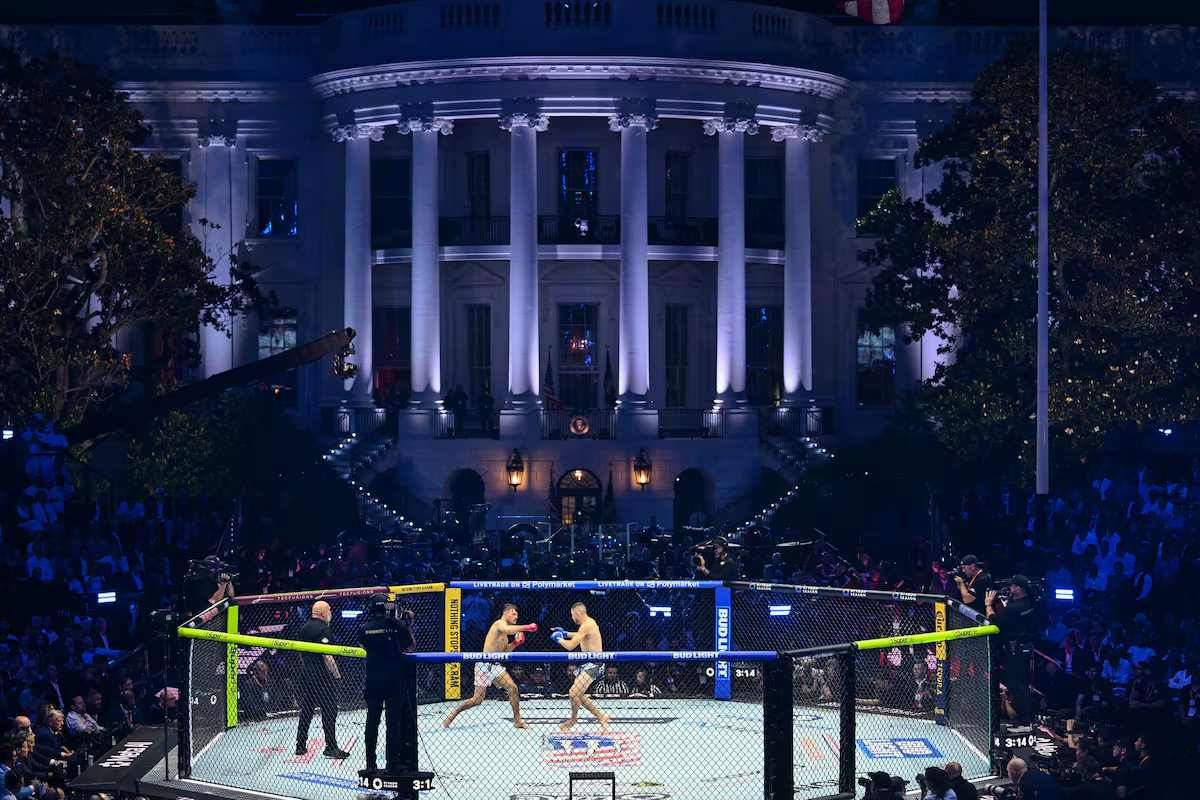
Afederal grand jury in Ohio handed up indictments Thursday against eight men accused of plotting a drone-and-sniper attack on the UFC Freedom 250 cage-fighting event held on the White House South Lawn in June. It sounds like the plot of a bad thriller. Prosecutors insist it was real, and they say it got far enough along to be genuinely dangerous.
The indictment, returned in the Southern District of Ohio, charges all eight men with two separate conspiracies: one to provide material support to terrorists, the other to commit murder on federal government property and to murder a federal government official. Neither charge is minor. The material-support count alone carries up to 15 years in prison. The murder conspiracy charge carries up to life.
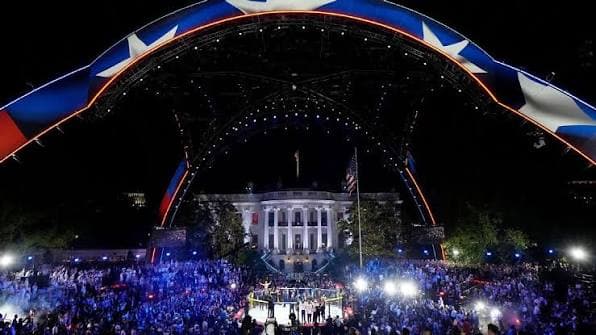
Court filings describe a plot that began taking shape in May, months before the June 14 fight card that drew roughly 4,300 invited guests to the South Lawn, with tens of thousands more watching from nearby. According to prosecutors, the group spent weeks quietly gathering money, firearms, ammunition, body armor, explosives, drones, medical supplies and communications gear. Some members reportedly trained in marksmanship and combat tactics, treating the plot less like a fantasy and more like an operation.
It's worth pausing on that timeline. The event went ahead as planned on June 14, cameras rolling, thousands of spectators on the lawn, with no visible sign of the danger prosecutors say was unfolding behind the scenes. That gap between what the public saw and what investigators say they were racing to stop is likely to become a central thread as the case moves forward, particularly for anyone asking how close the plot actually came to happening.
"Multiple individuals are now in custody and allegedly planned attacks were stopped cold.
— FBI Director Kash Patel
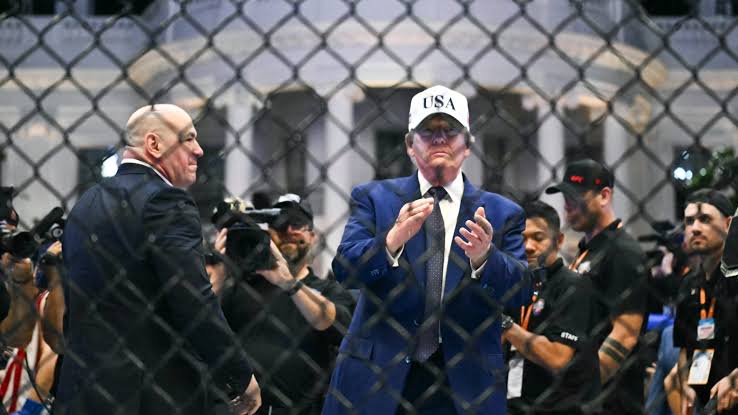
Investigators say the case broke open on June 10, just four days before the event, when law enforcement first picked up on a possible threat to the fight card headlined by President Donald Trump's appearance. That narrow window forced a scramble. Officials moved fast, and it worked — no attack occurred.
Seven of the eight men were taken into custody that same weekend or within the following week, arrested in Missouri, Nebraska, California and Washington state. The eighth, and by prosecutors' account the most operationally significant, remained free for weeks longer.
That final arrest came only this week in West Virginia, closing out the group prosecutors say the indictment now ties together into a single conspiracy case out of Ohio.
Who Prosecutors Say Was Involved
The defendants named in the indictment are Abraham H. Alvarez, Daniel K. Eskridge, William L.S. Falkner, Tycen J. Proper, Jordan W. Rincker, Bryan O. Roa, Chandler D. Scaggs and Michael A. Thomas. Proper, 19, of Danville, Ohio, was the first arrested and the person whose initial criminal complaint anchored the broader investigation.
Alvarez is described by prosecutors as the plot's chief planner. The group is accused of organizing itself into a tier system, with the most committed members classified as willing to, in the government's characterization, put themselves in harm's way and potentially go into hiding to see the plan through.
Scaggs, 21, of Chapmanville, West Virginia, was allegedly slated to serve as one of the snipers. He was supposed to be driven to Washington by Proper. When Proper was arrested, prosecutors say Scaggs didn't back off — he allegedly arranged a new ride and signaled he still intended to take part.
The remaining defendants, prosecutors say, filled out logistics and support roles — moving money, sourcing equipment, and keeping the online planning channels active even as arrests began picking off members of the group one by one. None of that, investigators note, stopped the remaining conspirators from continuing to coordinate.
An Alleged Target List That Reads Like a Security Nightmare
This is the part of the indictment that has drawn the most attention. Prosecutors allege the group didn't just want to disrupt the event — they wanted to kill specific people at it, using drones to create chaos and snipers to target anyone trying to flee.
It reads as an extraordinary claim, and prosecutors know it. The government's filings lean on the tier system and the training records to argue this wasn't loose online talk but a plan with assigned roles, a rough operational sequence and stockpiled equipment to match.
Alleged intended targets
According to the indictment, the conspirators discussed targeting a small group of extraordinarily high-profile attendees.
✓ President Donald Trump
✓ Vice President JD Vance
✓ Israeli Prime Minister Benjamin Netanyahu and Tesla CEO Elon Musk, among other officials
Investigators say the group coordinated across Signal, SimpleX, Discord, Instagram and a TikTok group called "Vanguard of the Old," and that members were motivated by fringe conspiracy theories about destabilizing the government rather than any single ideology prosecutors have publicly named.
What Happens Next
An indictment is an accusation, not a conviction, and every one of the eight men is presumed innocent unless and until prosecutors prove their case in court. That's not a technicality — it's the standard the government now has to meet with a jury, using evidence pulled from encrypted chats, financial records and whatever the affidavits describe as physical stockpiles.
Attorneys for the defendants have said little publicly so far. A lawyer for Scaggs told reporters his office is still in the early stages of reviewing the government's evidence and declined to comment further given the seriousness of the allegations.
The Ohio indictment effectively merges what had been scattered complaints in multiple states — Missouri, Nebraska, Washington, California and Ohio — into one federal prosecution. That consolidation gives prosecutors a single courtroom and a single timeline to build their case, rather than juggling parallel proceedings across the country.
The very early stages of gathering and reviewing the government's evidentiary materials.— Eric Brehm, attorney for defendant Chandler Scaggs
For now, the case sits at its earliest stage: arraignment on the consolidated charges. Whether the government's account of drones, snipers and a tiered conspiracy holds up will be decided the way these things usually are — slowly, in filings and hearings, far from the cameras that covered the event the men are accused of trying to attack.