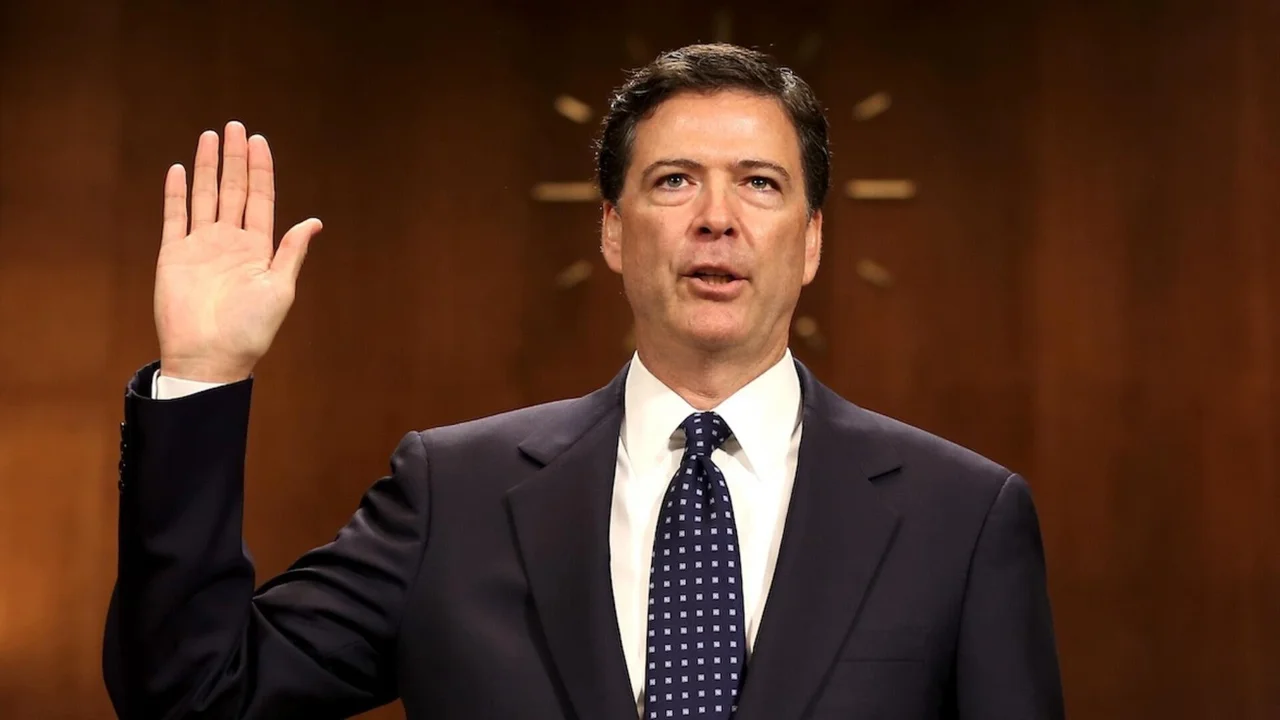
Federal prosecutors in Miami have issued a James Comey subpoena as part of a widening Justice Department investigation into officials involved in the 2016 Russia inquiry, according to CBS News and Axios, which first reported the development on March 19, 2026, citing multiple sources familiar with the matter. No criminal charges have been filed against Comey in connection with the current subpoena. Attorneys for Comey declined to comment.
The investigation is led by Jason A. Reding Quiñones, the U.S. attorney for the Southern District of Florida, a Trump administration appointee. It has generated more than 130 subpoenas targeting former intelligence and law enforcement officials, according to Axios.
The probe centers on the January 2017 Intelligence Community Assessment, which concluded that Russia sought to interfere in the 2016 presidential election. What some allies of former President Trump have described as a 'grand conspiracy' probe examines whether officials who produced or certified that assessment acted improperly.
"This probe amounts to nothing more than a vendetta in search of a crime. There is no legitimate legal basis for subjecting Andrew McCabe or any of these officials to this kind of pursuit.
— Michael Bromwich, attorney for former FBI Deputy Director Andrew McCabe, March 2026
James Comey directed the Federal Bureau of Investigation from September 2013 until May 2017, when President Trump dismissed him. The FBI at that time was conducting a counterintelligence inquiry into possible ties between Trump's 2016 campaign and Russian operatives.
Trump's firing of Comey led then-Deputy Attorney General Rod Rosenstein to appoint Special Counsel Robert Mueller. Mueller's inquiry concluded in 2019 without finding a criminal conspiracy between the Trump campaign and Russia, though it documented extensive Russian interference efforts.
A 2020 bipartisan Senate Intelligence Committee review, co-signed by then-Senator Marco Rubio, also found evidence of Russian interference — consistent with the 2017 intelligence assessment that is now under scrutiny in the Miami investigation.
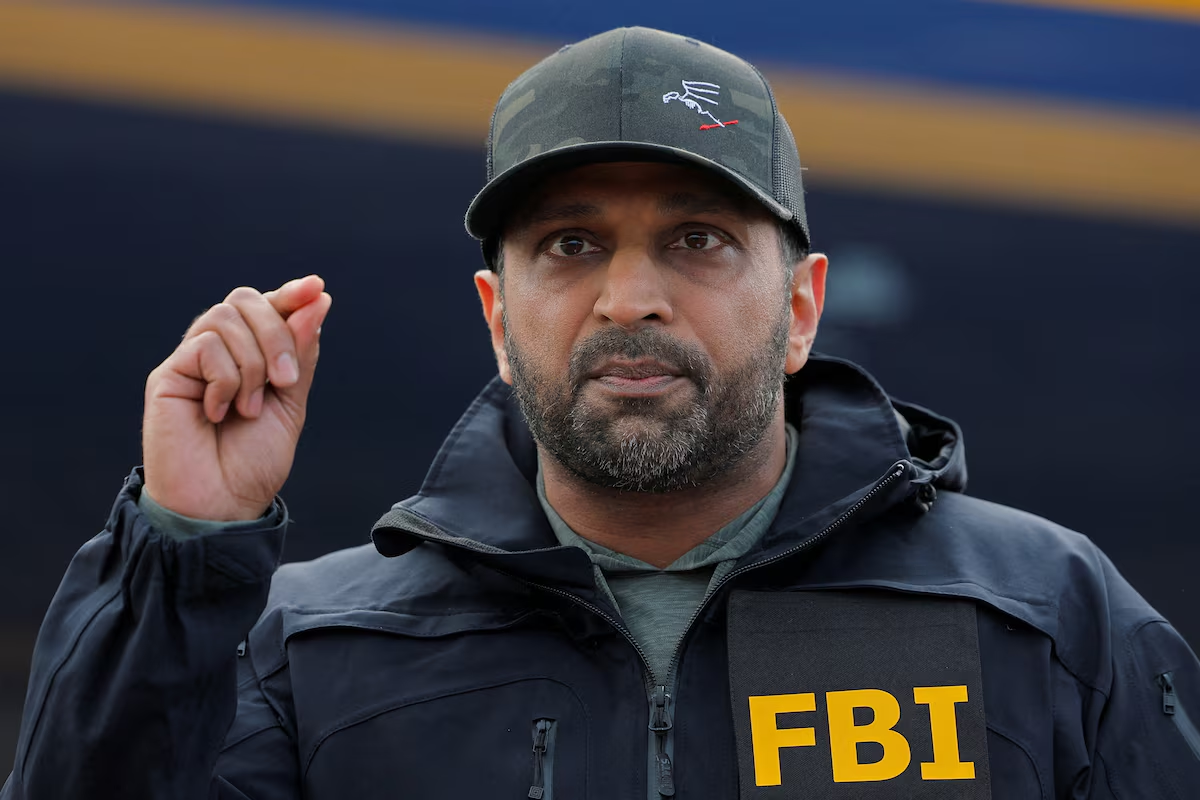
Attorney General Pam Bondi directed Justice Department prosecutors to investigate actions connected to the 2016 election in August 2025, according to NBC News. Since that directive, the volume of subpoenas has grown substantially and now covers some of the most senior figures in the Obama-era national security apparatus.
A Prior Case Dismissed — and Why It Matters
The Miami subpoena is not the first legal action the Trump administration has taken against Comey. A prior criminal case — United States v. Comey, No. 1:25-cr-00272-MSN — was filed in the Eastern District of Virginia in 2025, focused on Comey's congressional testimony.
In November 2025, U.S. District Judge Cameron McGowan Currie dismissed the charges. The judge ruled that the assigned prosecutor, Lindsey Halligan, had not been lawfully appointed to her position under federal law. Because the prior interim U.S. attorney in that district had already exhausted the time limit for such an appointment, the authority to fill the post had shifted to the district court — a step the administration had not taken.
The dismissal was entered without prejudice, meaning prosecutors could seek a new indictment through a lawfully appointed official. The Justice Department has appealed the ruling. A parallel case against New York Attorney General Letitia James, Case No. 2:25-cr-00122, was dismissed the same month on the same grounds.
Brennan, McCabe, Strzok, Page — and a House Intelligence Vote
Comey is one of several former senior officials to receive subpoenas from the Miami investigation. In November 2025, a federal grand jury also issued subpoenas to former CIA Director John Brennan, former FBI Deputy Director Andrew McCabe, former FBI counterintelligence official Peter Strzok, and former FBI attorney Lisa Page, according to people familiar with the matter.
McCabe's attorney, Michael Bromwich, publicly condemned the investigation, calling it politically motivated. The Justice Department has not publicly described the specific legal theories under which it is proceeding.
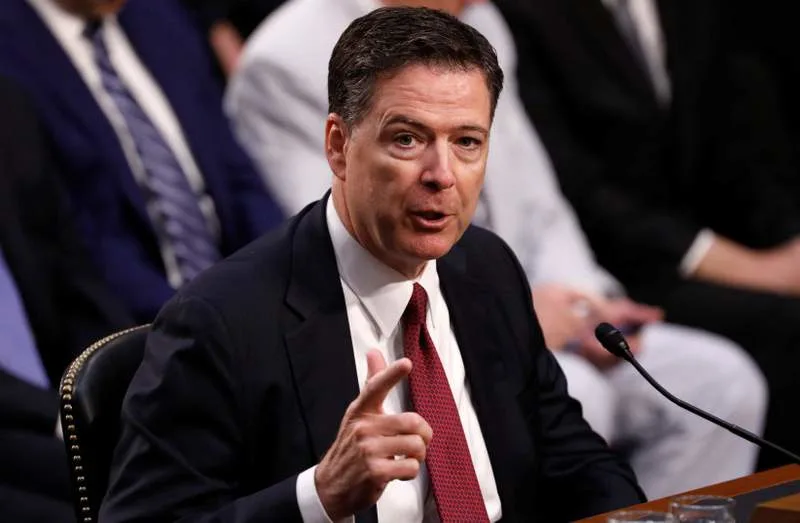
On March 24, 2026, the House Intelligence Committee voted in a closed session to transmit classified records to Miami prosecutors — including a transcript of the committee's 2017 interview with Brennan, according to Punchbowl News. CNN reported that career prosecutors in Miami had internally expressed reservations about the strength of the Brennan case. The investigation is continuing, with at least one scenario under discussion involving prosecution in a Washington, D.C., federal court.
Key Facts
The following facts are drawn from court records and reporting by CBS News, Axios, NBC News, Reuters, CNN, and Punchbowl News as of March 26, 2026.
✓ Comey subpoenaed by Miami federal prosecutors — first reported March 19, 2026 (CBS News, Axios)
✓ Investigation led by U.S. Attorney Jason A. Reding Quiñones, Southern District of Florida
✓ More than 130 subpoenas issued since the probe accelerated in 2025
✓ No criminal charges filed against Comey in the current Miami investigation
✓ Prior Virginia case (No. 1:25-cr-00272-MSN) dismissed November 2025 — unlawful prosecutor appointment
✓ Dismissal entered without prejudice — re-indictment by a lawfully appointed prosecutor remains possible
✓ DOJ has appealed the Virginia dismissal ruling
✓ Parallel case against NY AG Letitia James (No. 2:25-cr-00122) dismissed on same grounds
✓ Subpoenas also issued to Brennan, McCabe, Strzok, and Page
✓ House Intelligence Committee voted March 24, 2026, to transmit classified Brennan interview transcript to prosecutors
✓ Career prosecutors in Miami signaled reservations about the Brennan case (CNN)
✓ AG Pam Bondi directed the 2016-related investigation in August 2025 (NBC News)
The Justice Department did not respond to requests for comment at the time of the subpoena's disclosure. Representatives for Comey and the U.S. Attorney's office declined to comment or did not immediately respond.
What Happens Next
The DOJ is pursuing two simultaneous tracks: the active Miami grand jury investigation and the appeal of the Virginia dismissal ruling. Legal analysts say the two are not mutually exclusive.
The central question prosecutors appear to be examining is whether the 2017 Intelligence Community Assessment was shaped by factors beyond standard analytical processes. Officials who produced the assessment have maintained that its conclusions were fully supported by available evidence. Multiple congressional investigations, including the bipartisan 2020 Senate Intelligence Committee review, found that Russian interference in the 2016 election did occur.
Whether the current probe results in charges will depend on what prosecutors find in the classified records now being transferred, the testimony gathered through more than 130 subpoenas, and the outcome of the appeal in Virginia — each of which remains unresolved.
Legal scholars have noted that the combination of an attorney general directive, a high-volume subpoena effort, and a House Intelligence Committee vote to transfer classified records represents an unusually coordinated use of executive and legislative channels in support of a criminal investigation. Whether it produces charges — and whether any charges survive further legal scrutiny — remains an open question.
Each time we bring up this issue, the arguments go something like this: 'Yes, there have been problems in the past. Yes, there have been abuses. But you need not worry because we now have procedures in place that will fix the problem once and for all.'— Senator Mike Lee (R-UT), Senate Judiciary Committee hearing, January 2026
The investigation remains active. No charges have been filed against Comey or other subpoena recipients in the current Miami proceeding, and prosecutors have not publicly indicated when or whether charges will be brought.