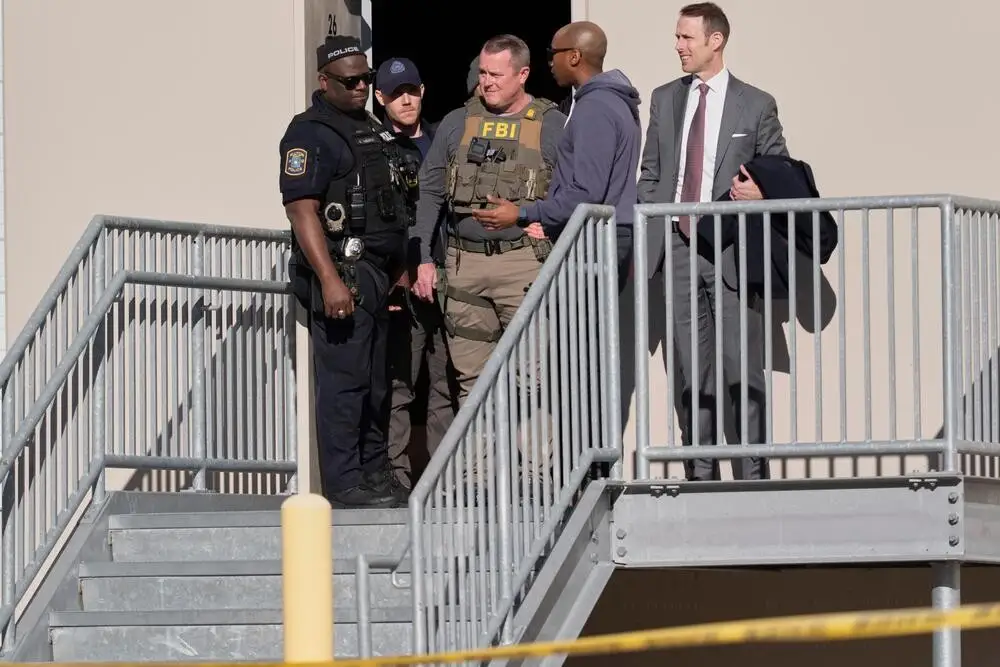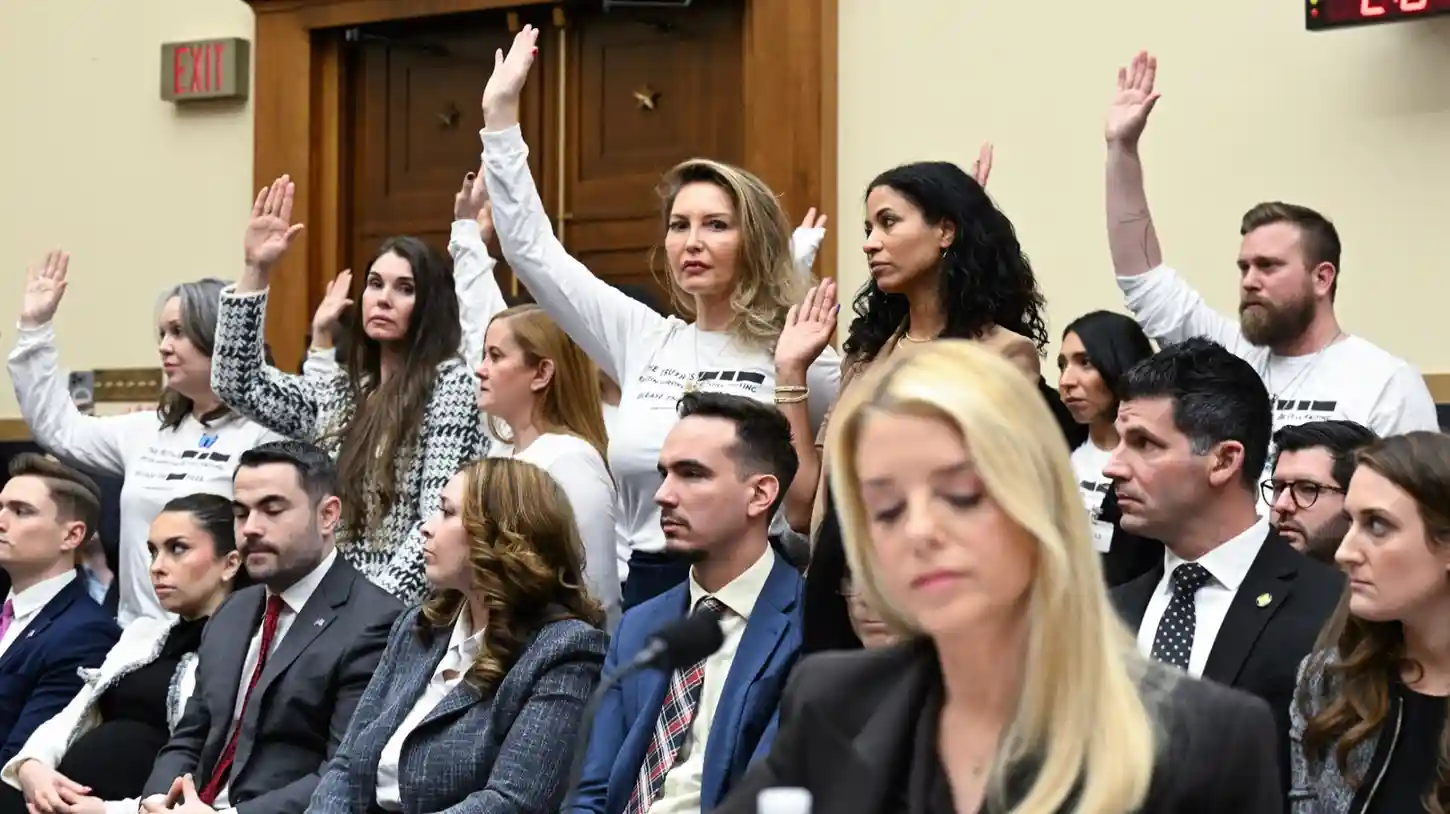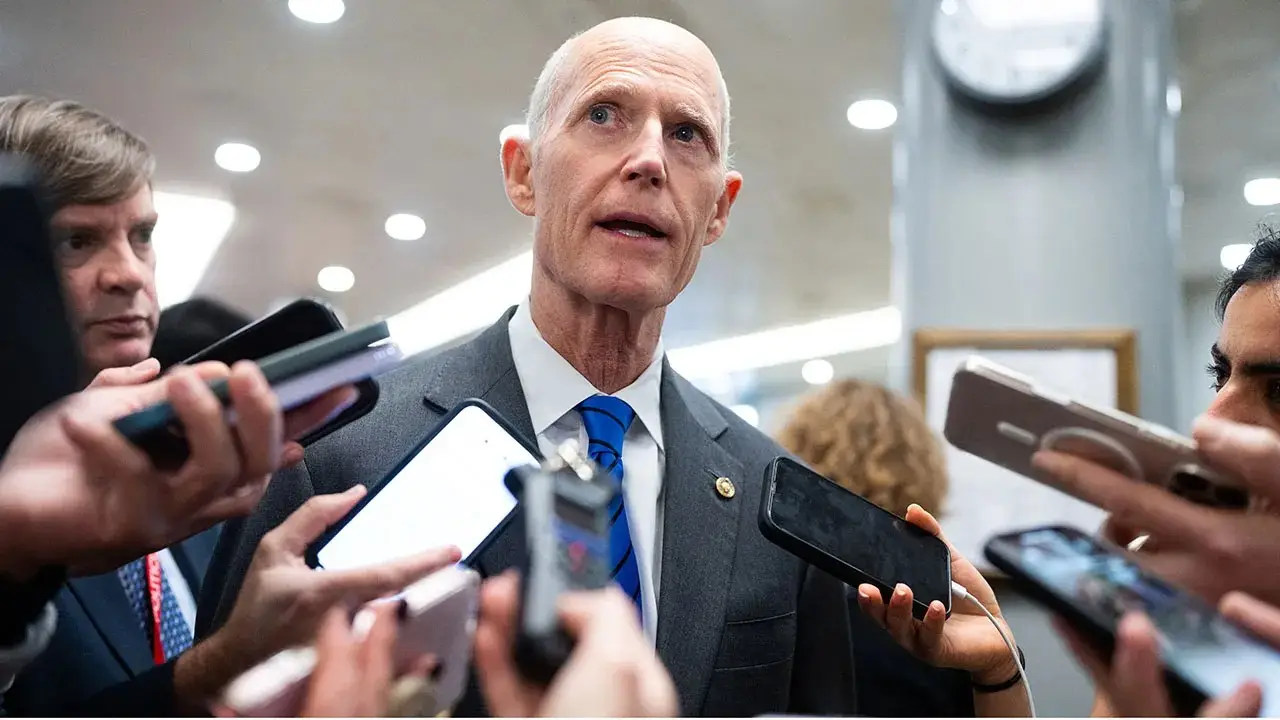

Senate Democrats and Republicans are in a heated standoff over funding for the Department of Homeland Security (DHS), and a partial government shutdown is looking more likely by the day. It all stems from the fatal shooting of U.S. citizen Alex Pretti by federal agents in Minneapolis on January 24, 2026. With outrage spreading nationwide, both sides are holding firm on their demands.
Democrats in the Senate are furious about the death of 37-year-old ICU nurse Alex Pretti—the second American killed by immigration agents in Minneapolis this month. They're refusing to back the DHS funding bill unless it comes with real reforms: tougher oversight, better accountability for agencies like ICE and CBP, full investigations into these shootings, and changes to stop excessive force. For them, more money without fixes isn't an option.
Republicans, meanwhile, want the full spending package passed quickly. It includes hefty funding for DHS to handle border security, cybersecurity, and disaster relief—things they say are too important to delay. The bill looked ready to sail through the Senate until Pretti's killing reignited massive protests and forced Democrats to dig in their heels.
"We need to have a real bipartisan discussion about the reforms necessary to prevent tragedies like Minneapolis from happening across the country.
— Senator Jeanne Shaheen
Alex Pretti's tragic death has thrown a wrench into the already tense budget talks. If lawmakers can't bridge the gap soon, we're staring down another partial shutdown.
The anger isn't staying in Minneapolis. Protests have erupted nationwide, with people demanding answers about how federal agents handle enforcement in charged urban settings like this.
A shutdown would hit hard—disrupting courts, national security work, and everyday government services at the worst possible time.
The Deep Divide Over DHS Funding
Even some moderate Democrats who helped avoid a shutdown last year are now insisting on stronger protections and independent watchdogs for DHS. After these deaths, they say funding can only move forward if there's real change to tackle what's gone wrong.
Republicans push back hard: pass the whole package now, DHS included, to keep border security, national defense, and disaster aid flowing without interruption. Any holdup, they argue, puts the country at risk.
How These Shootings Are Reshaping National Policy
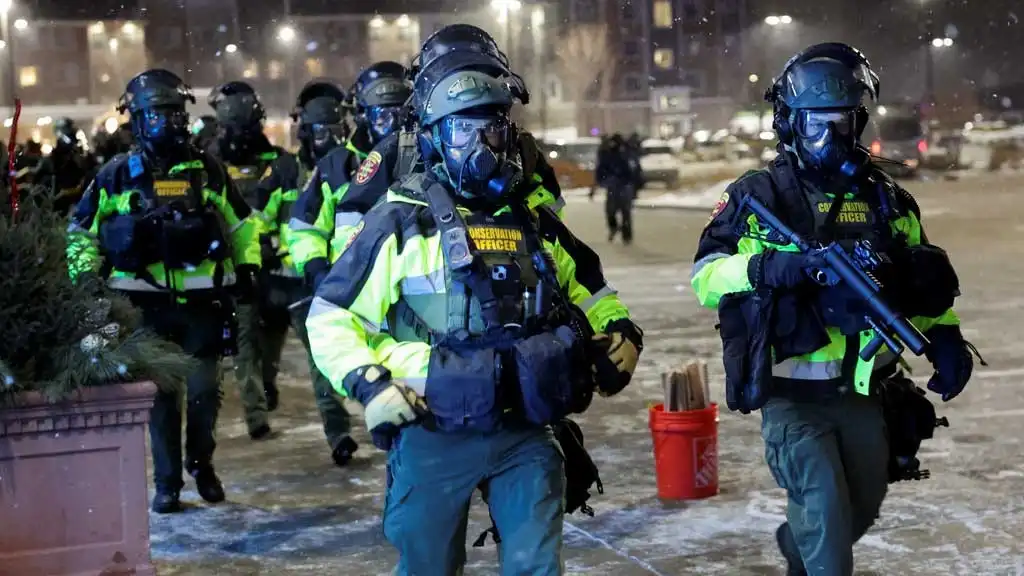
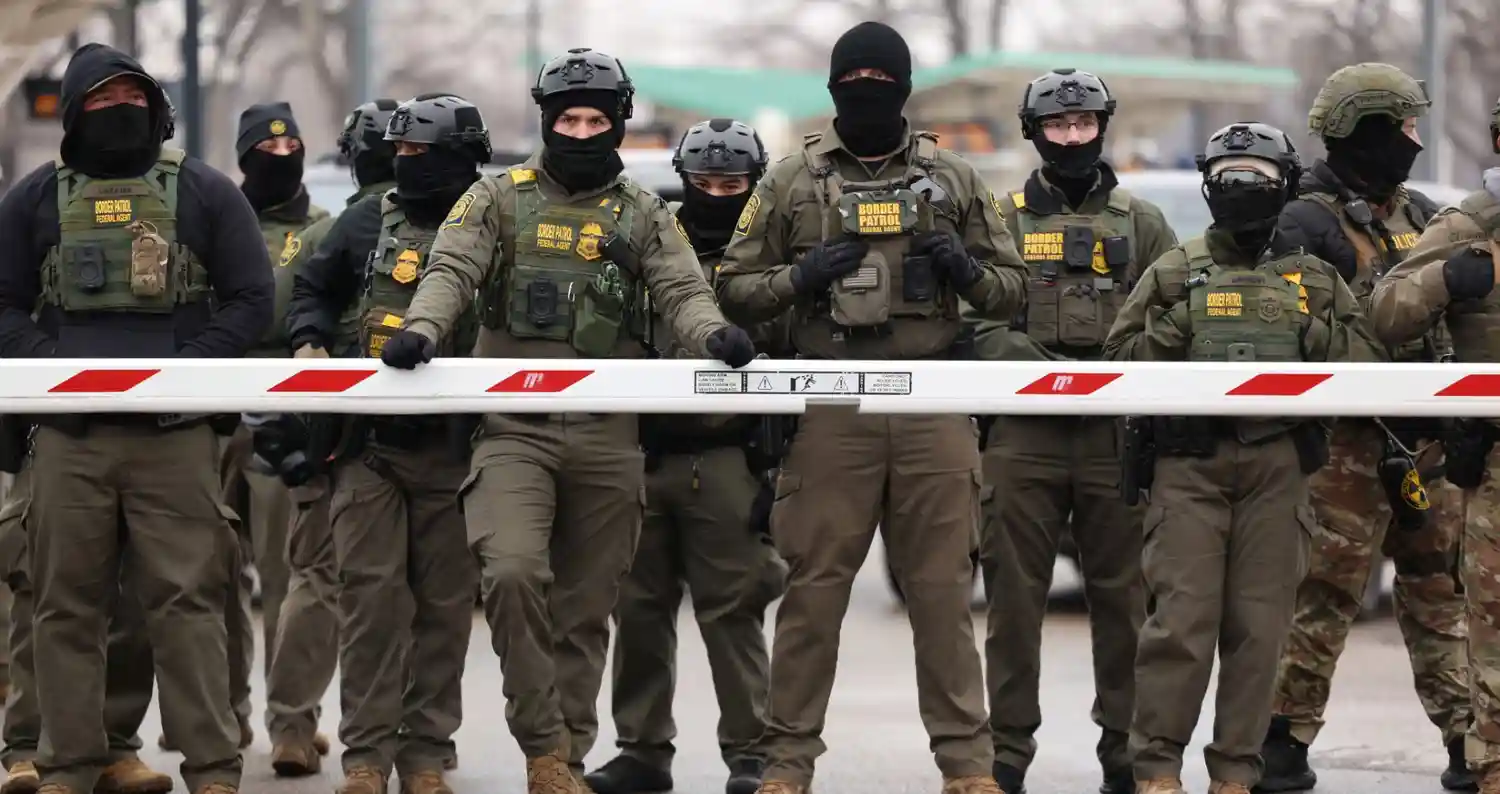
The January 24 shooting of Alex Pretti by CBP agents—coming just weeks after Renée Good was killed—has put federal immigration tactics and use of force squarely in the spotlight. Protests are growing, especially in high-tension spots like Minneapolis, with calls for change coming from all sides.
Bipartisan Agreement on the Need for Oversight—But Little Else
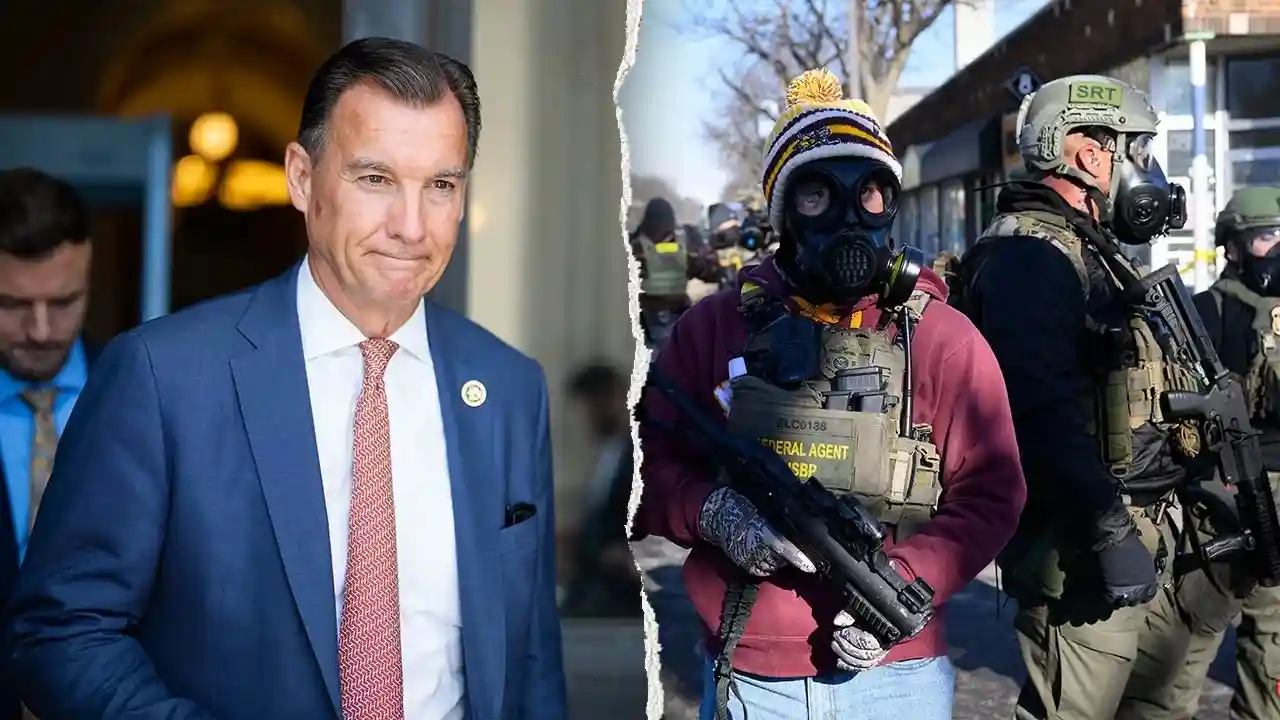
Both parties say federal agencies need more accountability, but that's about where the agreement ends. Democrats want reforms to prevent overreach and protect everyday people; Republicans stress keeping funds steady for border protection and keeping the country safe.
✓ Strengthen oversight of federal agencies
✓ Ensure real accountability for agents' actions
✓ Keep funding flowing for national security and disaster relief
At its core, this fight reveals just how divided the country remains on immigration, law enforcement, and federal power.
What's Next: Can They Avoid a Shutdown?
The clock is ticking toward the January 30 funding deadline. Lawmakers are scrambling for a breakthrough, but with positions so far apart, a partial shutdown feels increasingly possible—and it would only make an already chaotic situation worse.
This impasse is tough for everyone involved. The result will come down to whether cooler heads can prevail in the next couple of days, or if non-essential government operations grind to a halt.
We must find a way to come together and avoid another shutdown that will only hurt the American people.— Senator Susan Collins
Negotiations are ongoing, but the path forward is anything but clear. With a potential shutdown hanging over everything and protests against aggressive immigration enforcement growing louder, these issues are set to shape politics for months—and likely play big in the next election cycle.