
On February 23, 2026, U.S. District Judge Aileen M. Cannon issued a sweeping order permanently blocking the release of Special Counsel Jack Smith’s Volume II report on the classified documents investigation in case 9:23-cr-80101-AMC.
Judge Aileen Cannon, a Trump appointee, has ruled that the Justice Department is forever barred from publicly releasing former Special Counsel Jack Smith’s final report detailing allegations against President Donald Trump, aide Waltine Nauta, and property manager Carlos De Oliveira concerning classified materials kept at Mar-a-Lago.
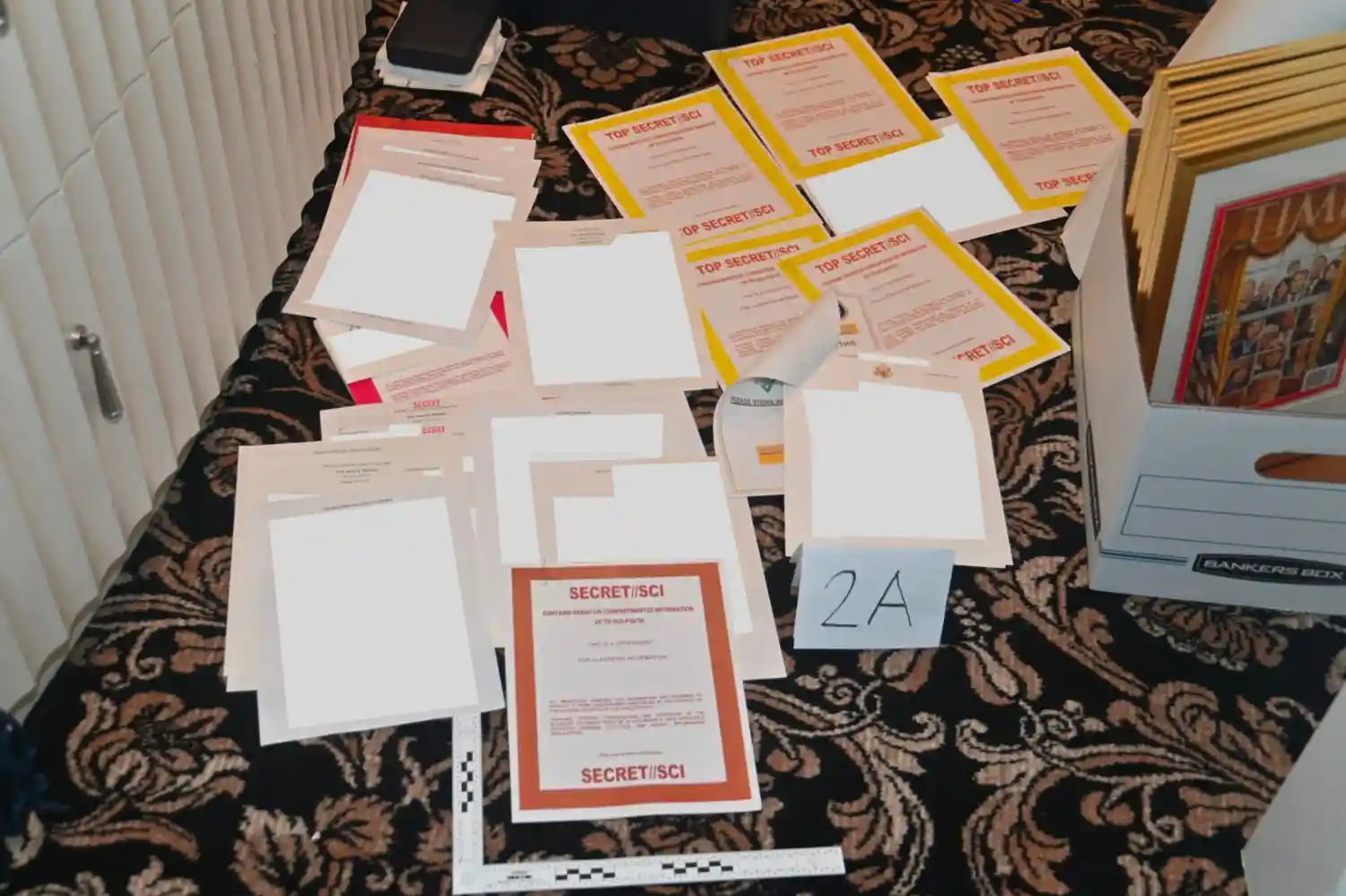
The case—formally United States v. Donald J. Trump, Waltine Nauta, and Carlos De Oliveira (No. 9:23-cr-80101-AMC)—centered on claims that Trump unlawfully retained national defense information and obstructed government attempts to recover the documents after leaving office in January 2021.
In July 2024, Judge Cannon dismissed all charges, concluding that Smith’s appointment as special counsel violated the Constitution’s Appointments Clause. Despite the dismissal, Smith completed a multi-volume final report before stepping down. While a portion of Volume I (covering 2020 election-related matters) was made public earlier, Volume II remained under fierce legal contest.
On February 23, 2026, Cannon granted President Trump’s motion to keep the report sealed indefinitely. She described any public disclosure as a 'manifest injustice' that would undermine basic fairness, especially since the defendants never faced a trial and continue to enjoy the presumption of innocence.
The judge sharply criticized Smith’s decision to prepare the report after the case was thrown out, calling it a 'brazen stratagem' that defied the spirit of her prior rulings. She also highlighted risks to grand jury secrecy rules and noted Attorney General Pam Bondi’s position that the document qualifies as privileged internal deliberative material.
The permanent injunction applies to Bondi and all future attorneys general, ensuring no external release can occur. At the same time, Cannon rejected a request from the co-defendants to order the physical destruction of any existing copies held by the government.
First Amendment advocates, including the Knight First Amendment Institute at Columbia University, condemned the decision, arguing it clashes with longstanding common-law traditions favoring public access to significant government investigations.
Trump’s legal team hailed the ruling as a victory for justice and a rejection of what they call an unconstitutional probe. Critics, however, contend the seal prevents scrutiny of one of the most serious legal challenges Trump has faced.
The underlying allegations involved accusations that Trump concealed records, directed aides to obstruct recovery efforts, and improperly displayed sensitive materials. Because the case ended without a trial, none of these claims were ever tested in open court.
Although this ruling appears to close the door on public disclosure for now, watchdog groups and media organizations may pursue appeals or file new Freedom of Information Act requests in an effort to challenge the seal.
"It would be a manifest injustice to release the report, and it would contravene basic notions of fairness and justice.
— U.S. District Judge Aileen M. Cannon
The investigation revolved around classified documents recovered from Mar-a-Lago. Allegations of willful retention and obstruction were never adjudicated due to the case’s dismissal.
Judge Cannon’s order aims to shield the defendants from what she described as irreparable harm from airing unproven allegations.
Core Elements of the February 23, 2026 Order
Permanent seal placed on Volume II of the report; no release permitted outside the Department of Justice.
Ruling cites Smith’s unlawful appointment, manifest injustice to defendants, fairness concerns, and potential breach of grand jury secrecy.
Court explicitly declined to order destruction of existing copies, allowing DOJ to retain them internally.
Reactions and Wider Implications
For President Trump, the decision is a major success in containing fallout from earlier investigations. Supporters view it as correcting overreach by an improperly appointed special counsel, while opponents argue it reduces accountability in a high-stakes matter.
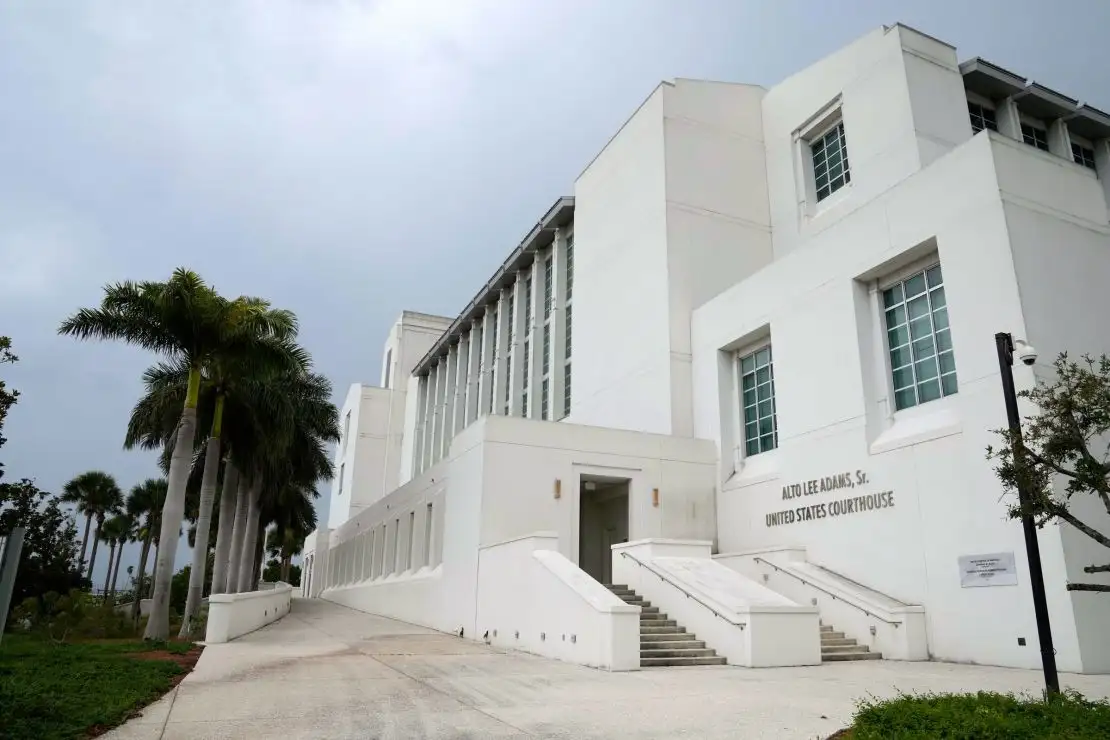
Case at a Glance
Full case name: United States of America v. Donald J. Trump, Waltine Nauta, and Carlos De Oliveira
Court: U.S. District Court for the Southern District of Florida
Key outcomes: Dismissed July 2024; report permanently sealed February 23, 2026
✓ Case No. 9:23-cr-80101-AMC
✓ Dismissed July 2024 – Appointments Clause violation
✓ Permanent injunction issued February 23, 2026
✓ Destruction of report copies denied
The ruling bolsters executive branch authority over handling of special counsel reports in politically charged, dismissed prosecutions.
What Happens Next
With Volume II now under permanent seal, attention turns to whether advocacy groups will appeal the decision or explore alternative legal paths to transparency.
This outcome underscores ongoing tensions among prosecutorial reporting customs, judicial protection of defendants, and public demands for openness in cases that conclude without trial.
There is no legitimate basis for its continued suppression.— Scott Wilkens, Knight First Amendment Institute
Judge Cannon’s order decisively prevents the public from seeing Jack Smith’s conclusions about the classified documents probe. It is likely to influence how future special counsel reports are managed when cases end in dismissal.
Observers will continue watching closely for any appellate review or fresh developments in this drawn-out legal controversy.