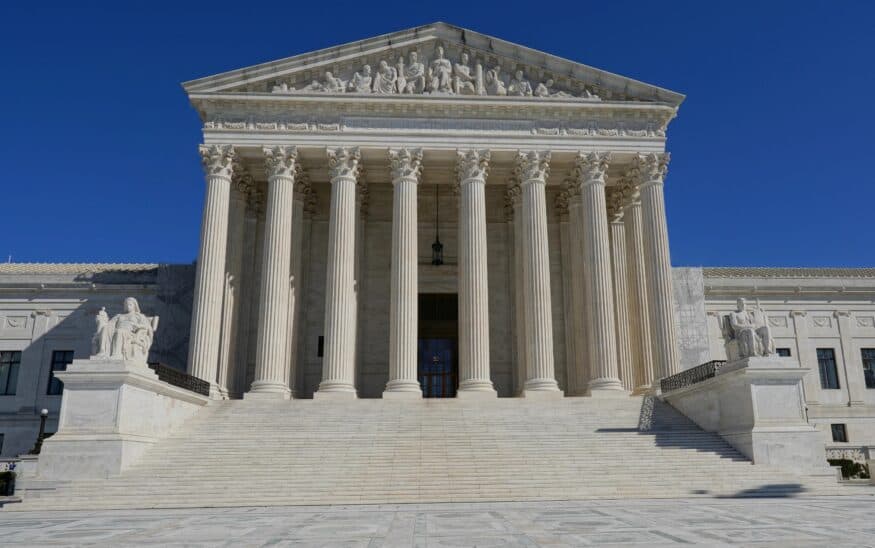

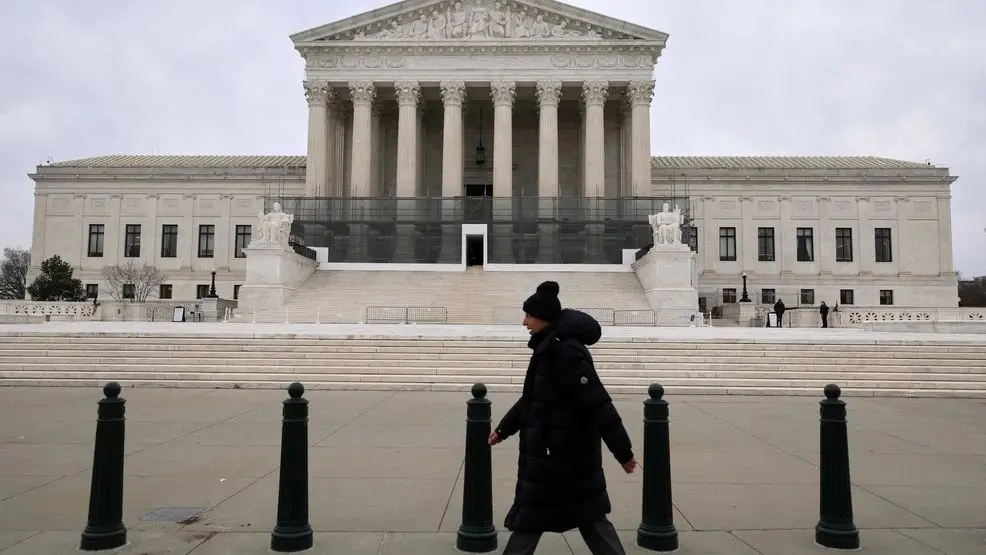
The Supreme Court has cleared the way for California to use its new voter-approved congressional map that benefits Democrats in this year’s elections, rejecting a last-minute request from state Republicans and the Trump administration.
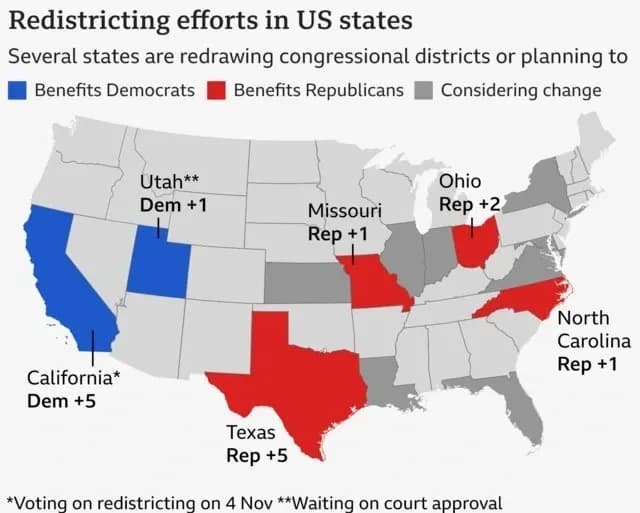
In a brief, unsigned order with no dissents, the justices denied the emergency appeal. This keeps in place districts expected to flip up to five Republican-held seats, part of a nationwide redistricting battle ahead of the midterms where control of Congress hangs in the balance.
The decision follows the court’s earlier ruling allowing Texas to use its Republican-leaning map for 2026, despite a lower court finding that it likely discriminated on racial lines.
"It appears both states have adopted new maps for political advantage, which the high court has previously ruled cannot be a basis for a federal lawsuit.
— Justice Samuel Alito (in related December statement)
Republicans and the Trump administration argued the California map improperly used race as a factor. However, a federal appeals court rejected that claim by a 2-1 vote.
California Democrats, led by Gov. Gavin Newsom, celebrated the ruling. Newsom, who is widely seen as a potential 2028 presidential contender, said Trump had started a redistricting war and would ultimately lose out in November.

California Attorney General Rob Bonta called the decision good news for both Californians and democracy itself. The state Republican Party vowed to continue challenging the map in future elections.
Background and Political Stakes
The new map is part of a tit-for-tat redistricting fight sparked by the Trump administration. Republicans have pushed favorable maps in states they control, while Democrats in California used a voter-approved process to create districts more advantageous to their party.
Longtime California Republican strategist Jon Fleishman noted that the ruling means this year’s elections will occur under lines that significantly reduce the already small Republican delegation from the state.
Key Details of the Ruling
The Supreme Court’s order was issued without explanation — a common practice on its emergency docket. No justices dissented.
Main Takeaways
New California map expected to flip up to five Republican seats.
Court previously allowed Texas Republican-leaning map for 2026.
GOP claimed racial gerrymandering; lower court disagreed 2-1.
Decision keeps new lines in place for upcoming midterms.
✓ No dissents from Supreme Court justices
✓ Map approved via voter initiative in California
✓ Part of nationwide redistricting battle
✓ Control of Congress at stake in midterms
Newsom vowed a strong response to Republican redistricting moves in other states, though California’s changes required voter approval rather than legislative action.
What This Means for 2026 Elections
The ruling is a significant win for California Democrats and could shift the balance of power in the House. It underscores the high political stakes in redistricting battles across the country.
Republicans plan to keep fighting the map’s use in future cycles, arguing it violates equal protection principles.
Trump started this redistricting war — and he will lose in November.— California Gov. Gavin Newsom
With control of Congress on the line, this decision — and similar redistricting fights — will likely shape the political landscape heading into the 2026 midterm elections.