
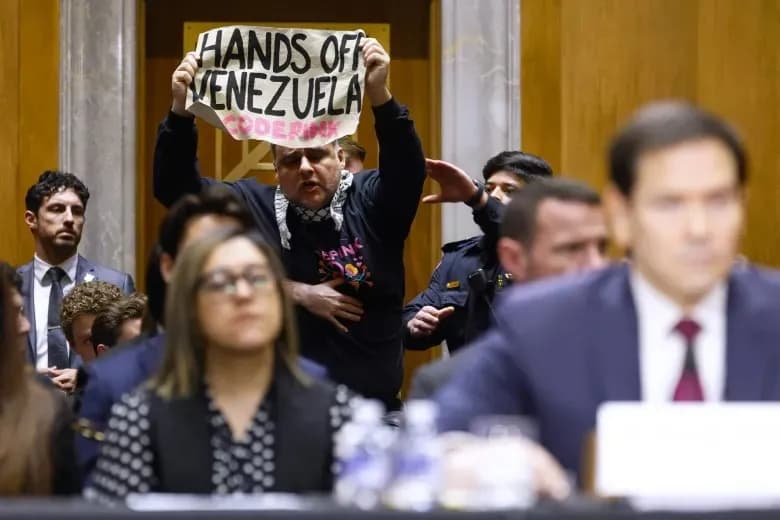
A federal appeals court has ruled that the Trump administration acted unlawfully when it ended Temporary Protected Status (TPS) for around 600,000 Venezuelans living and working in the United States.
On Wednesday evening, a three-judge panel of the 9th U.S. Circuit Court of Appeals in San Francisco upheld a lower court decision finding that Homeland Security Secretary Kristi Noem overstepped her authority by terminating the protections previously extended under the Biden administration.
The ruling has no immediate impact because the U.S. Supreme Court previously allowed Noem's February decision to take effect while it considers whether to hear the case if the administration continues its appeal.
"Noem's actions fundamentally contradict Congress’ statutory design, and her assertion of a raw, unchecked power to vacate a country’s TPS is irreconcilable with the plain language of the statute.
— U.S. Circuit Judge Kim Wardlaw
Judge Wardlaw wrote that in the 35 years since Congress created the TPS program, more than 20 countries had received the designation, yet no prior administration claimed the power to terminate it until Trump's second term.
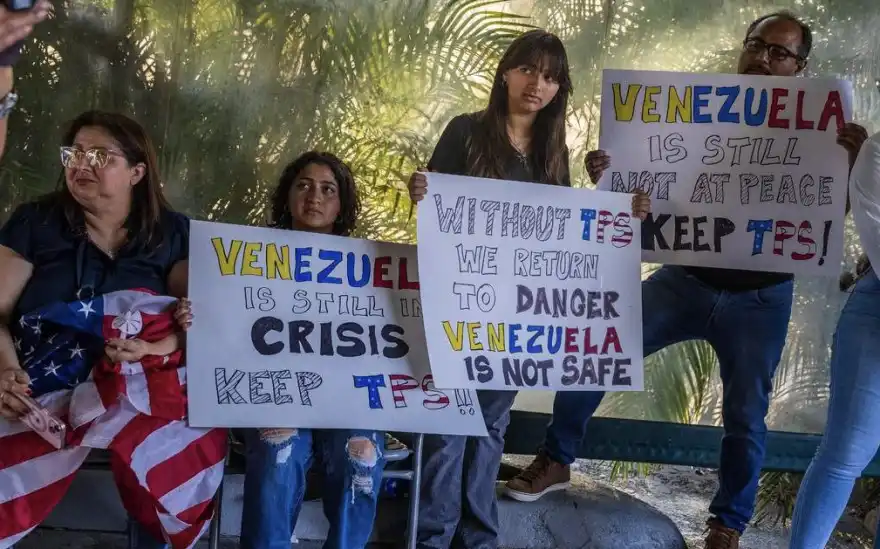
She said the termination left hundreds of thousands of people in constant fear of deportation, detention, family separation, and return to a country where they faced violence or other serious harm.
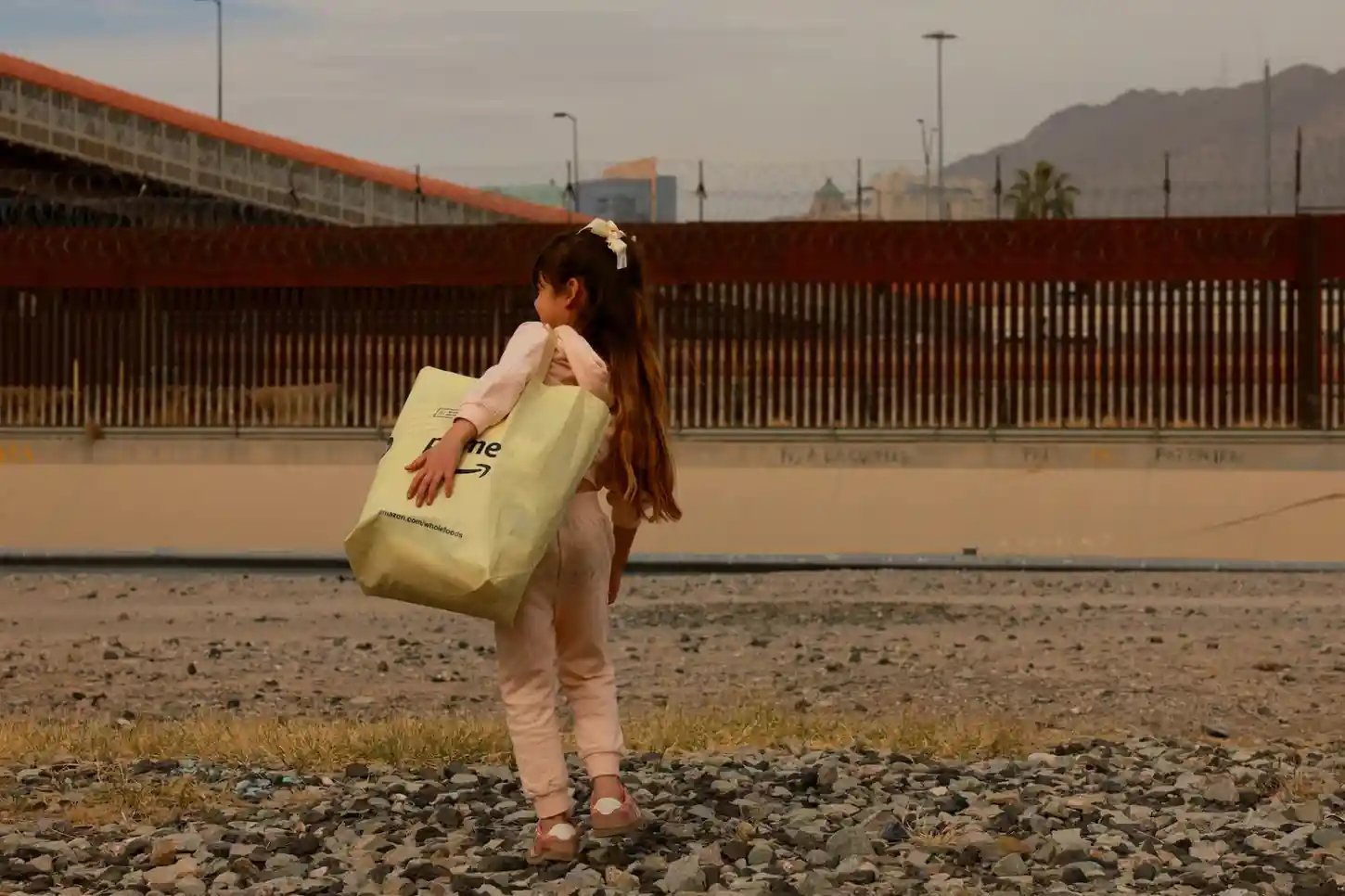
DHS spokesperson Tricia McLaughlin called the ruling another example of judicial overreach, stating that Venezuela's political situation has changed and Venezuelans should be able to return home.
Broader Context and Related Rulings
The decision marks another legal setback for the Department of Homeland Security’s efforts to end TPS for about a dozen countries as part of President Trump’s immigration enforcement push.
The same 9th Circuit panel also upheld a lower court ruling that Noem unlawfully terminated TPS for Haitians. The administration has not appealed that portion and has announced new plans to end Haiti’s TPS effective February 3.
Key Points from the Ruling
U.S. Circuit Judge Salvador Mendoza wrote separately that Noem’s decision appeared based on 'racist stereotyping' against Venezuelans and Haitians, citing public statements by Trump and Noem describing Venezuelan TPS holders in derogatory terms.
Main Takeaways
Noem exceeded her authority under the TPS statute.
The termination violated the plain language of the law.
Decision affects Venezuelans and Haitians.
Supreme Court stay keeps current policy in place.
✓ 9th Circuit upholds lower court ruling
✓ TPS termination found unlawful
✓ No immediate change due to Supreme Court stay
✓ Administration may continue appeal
Plaintiffs, including Venezuelan TPS holders and the National TPS Alliance, praised the ruling but noted that deportations and detention continue under the Supreme Court’s earlier orders.
What This Means Moving Forward
While the appeals court found the termination unlawful, the Supreme Court’s previous stay means Venezuelans remain without TPS protections for now. The case highlights ongoing legal battles over the Trump administration’s efforts to end temporary protections for migrants from several countries.
The ruling reinforces limits on executive authority to unilaterally end TPS designations created by Congress.
The extent of lawlessness in our immigration system right now is truly difficult to comprehend.— Jessica Bansal, attorney for plaintiffs
The case may head to the Supreme Court for final review. Until then, the status of TPS for Venezuelans — and potentially other nationalities — remains uncertain amid the administration’s broader immigration enforcement agenda.