
Washington opened a formal trade investigation into Germany's pharmaceutical pricing system on June 18, 2026, targeting policies the Trump administration says force American drug companies to bear an outsized share of global research costs — a probe that now puts billions in bilateral trade at risk.
U.S. Trade Representative Jamieson Greer announced the Section 301 investigation, citing Germany's proposed GKV-BStabG health reform package, which sought to slash the country's statutory healthcare spending by 20 billion euros ($23 billion) through variable discounts on pharmaceutical products and altered manufacturer rebates.
The USTR's core argument is blunt: American patients and companies are subsidizing drug innovation for the rest of the world while foreign governments negotiate prices that don't reflect true development costs. Germany, Washington argues, is making that imbalance worse.
"I am particularly concerned with news that Germany is fast-tracking legislation that would further reduce its spending on innovative pharmaceuticals.
— U.S. Trade Representative Jamieson Greer
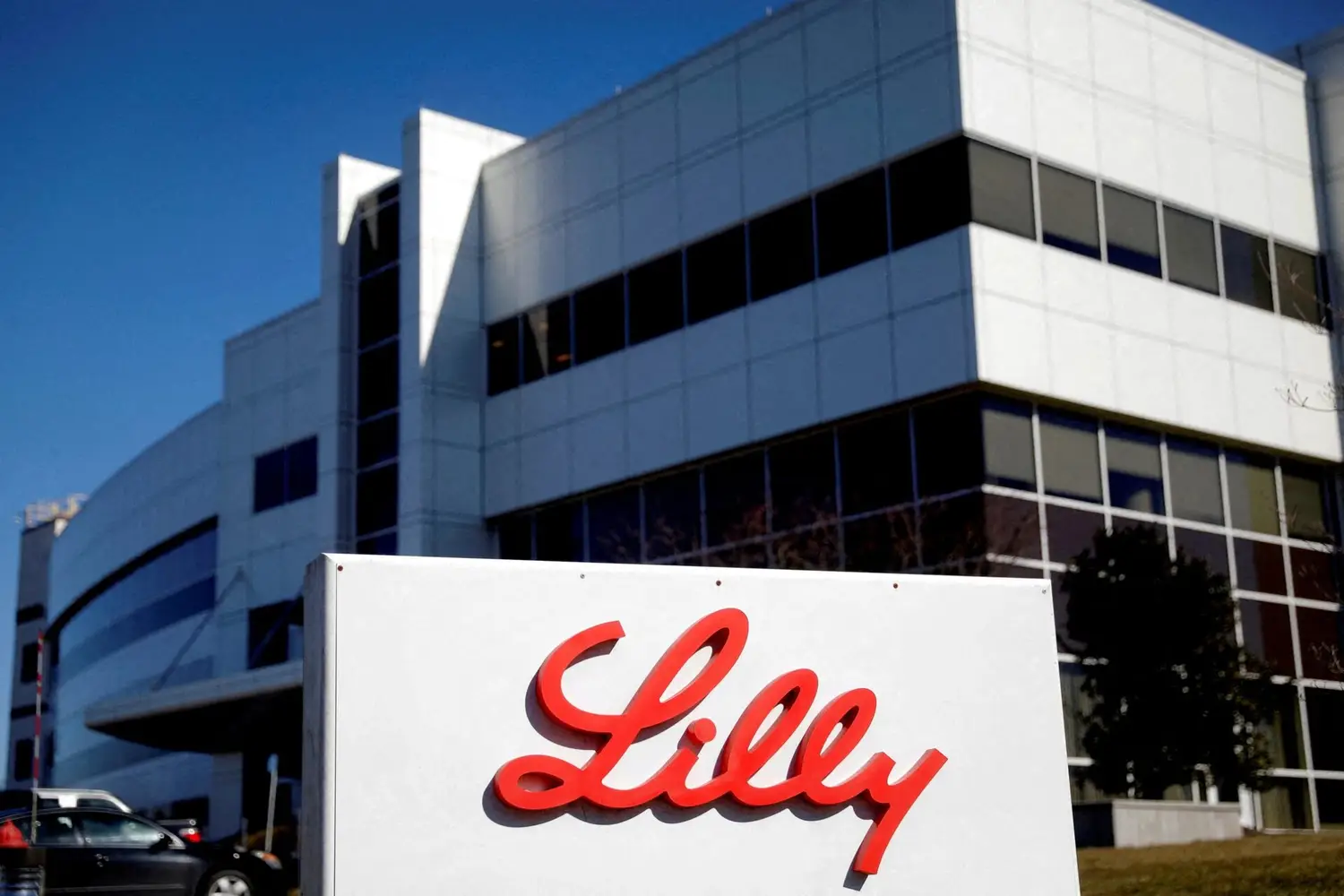
The probe rattled markets immediately. Eli Lilly, one of the world's largest drugmakers, announced it would cut its planned €2.3 billion investment in Alzey, Germany, by half — a direct signal that the pricing dispute is already reshaping corporate strategy in Europe.
Germany pushed back quickly. Chancellor Friedrich Merz stated that healthcare reimbursement decisions fall squarely within national jurisdiction, though Berlin indicated it remains willing to provide information to U.S. authorities as the process unfolds.
Under pressure from the pharmaceutical industry and the looming U.S. probe, Germany's Bundestag postponed its vote on the health reform package to July 10, 2026, as lawmakers shifted the legislative focus away from variable discounts toward fixed manufacturer surcharges instead.
How the Investigation Works
Section 301 of the Trade Act of 1974 grants the USTR broad authority to investigate foreign practices deemed unreasonable, discriminatory, or harmful to U.S. commerce. The USTR has already deployed this tool against dozens of countries in recent months, including a June proposal for 12.5% tariffs on 60 nations over forced labor trade violations.
If the Germany investigation concludes with a finding against Berlin, Washington could unilaterally impose tariffs on German goods — though officials acknowledge that outcome risks fracturing the U.S.-EU trade truce negotiated last year.
Wider Trade and Diplomatic Stakes
The Germany probe is part of a broader Trump administration campaign to force high-income allies to pay more for American-developed medicines. Officials have pointed to a recent U.S.-U.K. deal — where London agreed to raise reimbursement prices for innovative drugs in exchange for a tariff exemption — as the model Berlin should follow.
Key Elements of the Investigation
The case centers on Germany's proposed drug pricing overhaul and its potential discriminatory effect on U.S. pharmaceutical exports, with Washington demanding fair-value reimbursement for innovative medicines covered under German statutory health insurance.
✓ Section 301 investigation launched June 18, 2026
✓ Targets Germany's GKV-BStabG health reform and drug reimbursement policies
✓ Public docket opens June 25, 2026 for written submissions
✓ Formal Section 301 Committee hearing set for September 22, 2026
✓ Potential outcome: punitive tariffs on German imports to the U.S.
✓ Eli Lilly halved planned €2.3 billion German investment over pricing concerns
✓ German Bundestag vote on reform delayed to July 10, 2026
The German government had originally proposed variable pharmaceutical discounts as part of a sweeping health system overhaul but reversed course after industry opposition intensified and the U.S. probe was announced.
What Happens Next
With the public comment period opening June 25 and a formal hearing not scheduled until September 22, the investigation will play out over several months. That timeline gives both sides a window for diplomacy — but also leaves the threat of tariffs hanging over German exporters.
Trade analysts warn that escalating the dispute into actual tariff action could destabilize the broader U.S.-EU commercial relationship at a sensitive moment, while pharmaceutical industry groups in Washington are pressing hard for a negotiated solution that raises global drug prices rather than triggers a transatlantic trade conflict.
The U.S. has argued that American patients and companies pay a disproportionate share of global pharmaceutical R&D costs, and demands that high-income countries like Germany contribute more equitably.— Office of the U.S. Trade Representative — Section 301 investigation announcement, June 18, 2026
The Germany probe underscores how pharmaceutical pricing has become a front line in the Trump administration's trade agenda — and how the pressure to renegotiate drug deals is no longer limited to developing markets, but now aimed squarely at America's closest economic partners.