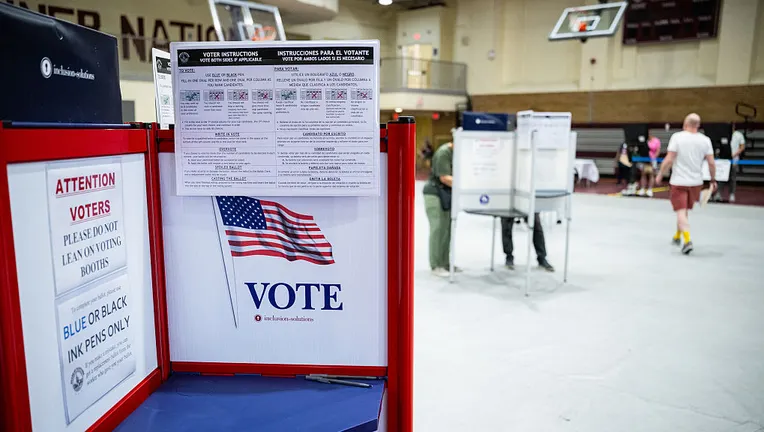

The Trump administration's drive to seize voter data from states hit a wall Wednesday. A federal appeals court ruled Michigan does not have to hand its unredacted voter rolls to the Justice Department — the administration's first defeat at the appellate level in a campaign that has now failed in ten courts.
The 6th U.S. Circuit Court of Appeals issued a 2-1 decision in United States v. Benson, No. 26-1225, affirming a lower court's dismissal of the DOJ lawsuit. Michigan Secretary of State Jocelyn Benson had already shared the public version of the state's voter file. She drew the line at surrendering names paired with birth dates, partial Social Security numbers, and driver's license numbers — data the federal government wanted for every registered voter in the state.
The Justice Department sued Michigan in September 2025 after Benson refused. Nine district judges across the country had already rejected the same demand. Wednesday's ruling is different. It is the first time an appeals court has weighed in — and legal experts say it all but guarantees the fight will reach the Supreme Court before November's midterm elections.
"Back then, the government used this power to ensure that everyone who had the right to vote could freely exercise that right. But today, the government invokes Title III for an inverse purpose — to ensure that some people have not voted.
— Judge Andre B. Mathis, 6th U.S. Circuit Court of Appeals
The core of the ruling turns on four words in the Civil Rights Act of 1960: 'come into possession.' Title III of that law gives the attorney general power to demand voting-related records that election officials have received from outside sources. Judge Mathis, appointed by President Biden, wrote that Michigan's qualified voter file does not meet that definition. Benson's office assembled it internally. She never received it from a third party.
In plain terms, Mathis wrote, 'an ordinary English speaker would not say that she has come into possession of something that she created, established, and maintained.' The two-judge majority also found that none of the three demand letters the DOJ sent to Michigan included both a stated basis and a clear purpose — a separate legal requirement the department failed to satisfy.
Circuit Judge John B. Nalbandian, a Trump appointee, dissented. He argued the voter file is an aggregation of individual records that each independently satisfy Title III's disclosure requirement. When Benson's own staff sent her the compiled file, Nalbandian wrote, she 'came into possession' of it. The majority rejected that reasoning sharply, saying it 'taints the dissent's entire analysis.'
One Battle in a Nationwide Legal War
The Michigan case sits inside a much larger legal conflict. Since taking office, the Trump administration has sued 30 states and the District of Columbia demanding unredacted voter registration data. The DOJ says it needs the information to verify that states are removing ineligible voters — including noncitizens — from their rolls. States have pushed back hard, arguing elections are constitutionally theirs to administer and that handing over sensitive personal data risks the privacy of millions of voters.
At least 17 Republican-led states voluntarily shared data. Dozens more refused. Voting rights advocates have warned that comparing voter rolls against federal databases — particularly immigration records — could strip naturalized citizens of their right to vote if those databases carry outdated information. Earlier Wednesday, a separate federal judge ruled the administration had illegally expanded use of the DHS citizenship-verification database for exactly that purpose.
Why This Case Was Always the One to Watch
Legal analysts had been tracking the Michigan case closely for months. The DOJ appealed the district court's dismissal within two days of the ruling hitting the docket — a sign, experts said, that it was prioritizing this case above others. The Sixth Circuit moves faster than the Ninth Circuit, which handles California and Oregon. And 75 percent of its judges were appointed by Republican presidents — a composition the DOJ may have seen as favorable ground.
What the Court Actually Decided
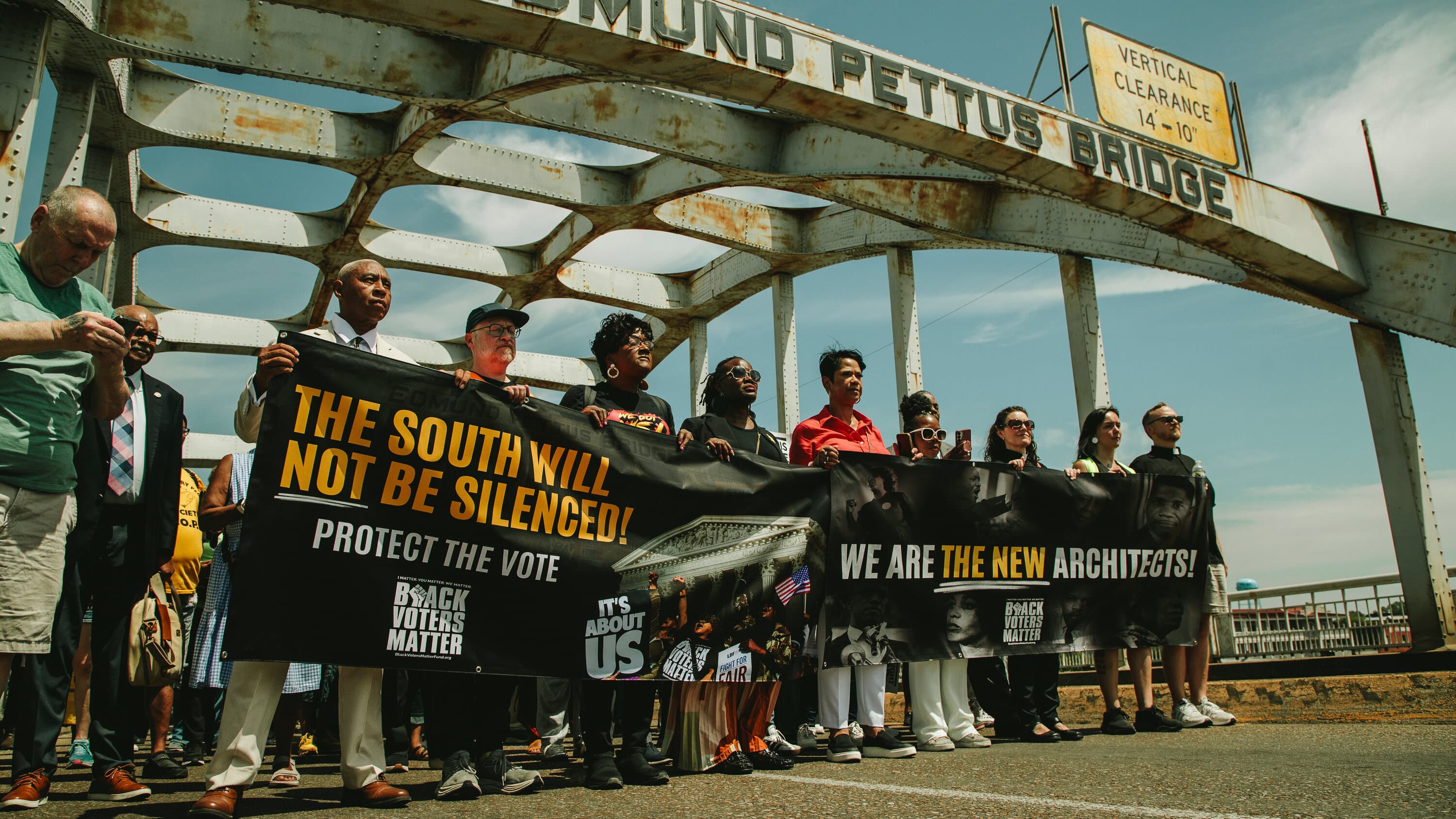
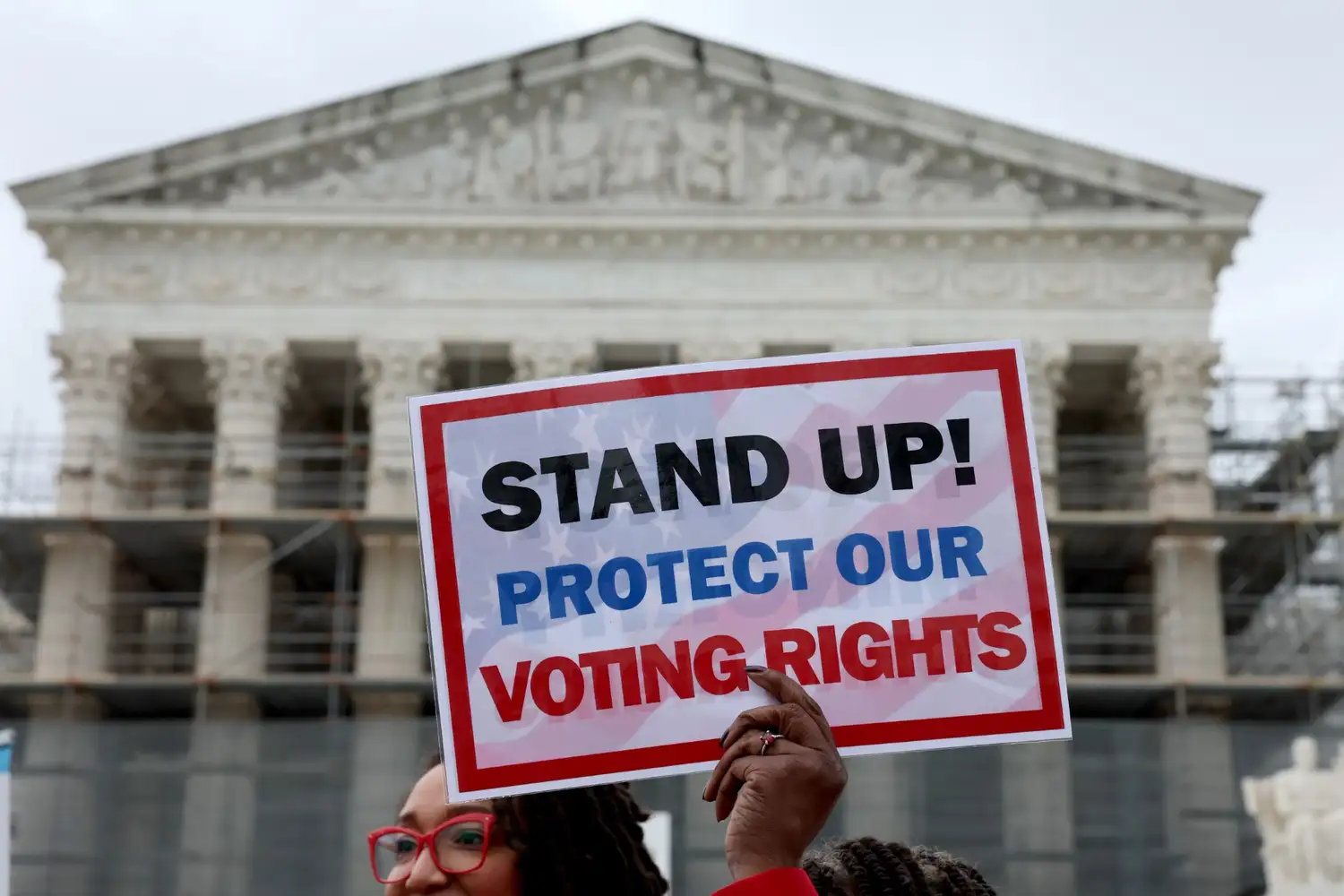
The 6th Circuit did not rule on whether voter fraud is real or whether the administration's goals are legitimate. It ruled narrowly: the Civil Rights Act of 1960 does not give the DOJ the tool it tried to use. The law was passed to stop Southern states from destroying Black Americans' voter registration records. Using it to force states to hand data to the federal government, the majority said, turns its purpose upside down.
✓ Michigan's voter file was state-created, not received from a third party — outside Title III's scope
✓ DOJ demand letters lacked both a stated basis and a clear purpose, as required by law
✓ The 1960 Act was designed to protect voters from government, not arm the government against voters
✓ Nine district courts and now one appeals court have all rejected the DOJ's legal theory
✓ The ruling creates binding precedent for Kentucky, also in the 6th Circuit
Michigan Attorney General Dana Nessel had warned she would not let the state be 'bullied into violating the privacy rights of residents.' Secretary Benson called the original request an 'overreach.' Both vowed to fight the case to its conclusion. Wednesday's ruling gives them a significant win — but the DOJ is widely expected to appeal to the Supreme Court.
The Road to the Supreme Court
With appeals also pending in the 3rd, 4th, and 9th Circuits, the administration is fighting the same legal battle on multiple fronts. Wednesday's 6th Circuit ruling is the first appellate marker in that fight. It will not be the last. Legal experts say the DOJ's strategy has always pointed toward a Supreme Court showdown — and the administration needs a ruling before November 3, when control of both chambers of Congress is on the line.
Time is running short. Even if the Supreme Court were to side with the administration, federal voter roll rules prohibit list-maintenance purges within 90 days of an election. Michigan's primary is August 4. The practical window for acting on any data — even if obtained — is closing fast. Whether the legal battle reaches the nation's highest court before that window shuts remains the central question.
There's certainly evidence that they're pushing the Michigan case the most.— Derek Clinger, Senior Counsel, State Democracy Research Initiative, University of Wisconsin Law School
For now, Michigan's voter data stays in Michigan. The 6th Circuit's ruling protects the private information of every registered voter in the state and sets a precedent that will bind at least one other state — Kentucky — where a similar DOJ lawsuit remains pending. The administration's broader theory — that a 1960 civil rights law designed to protect Black voters can be repurposed to audit voter rolls for noncitizens — has now been rejected at every level it has reached. The Supreme Court will likely have the final word.