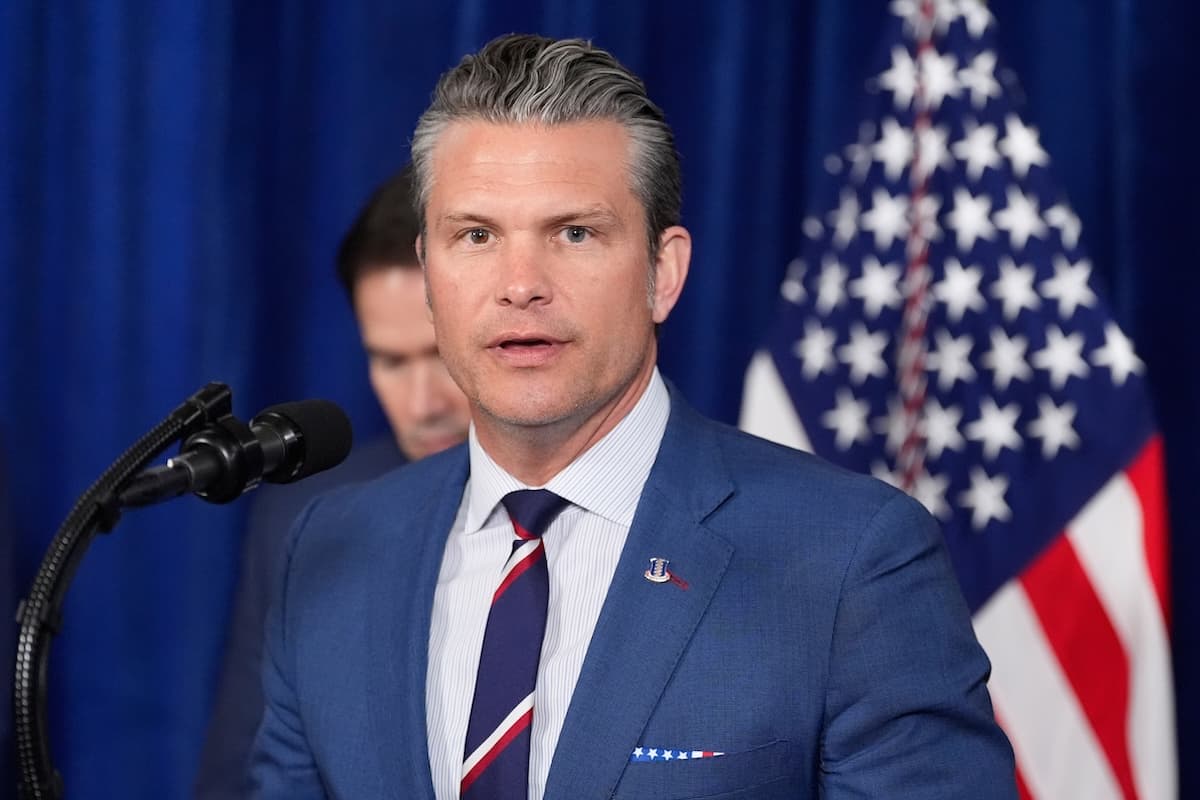

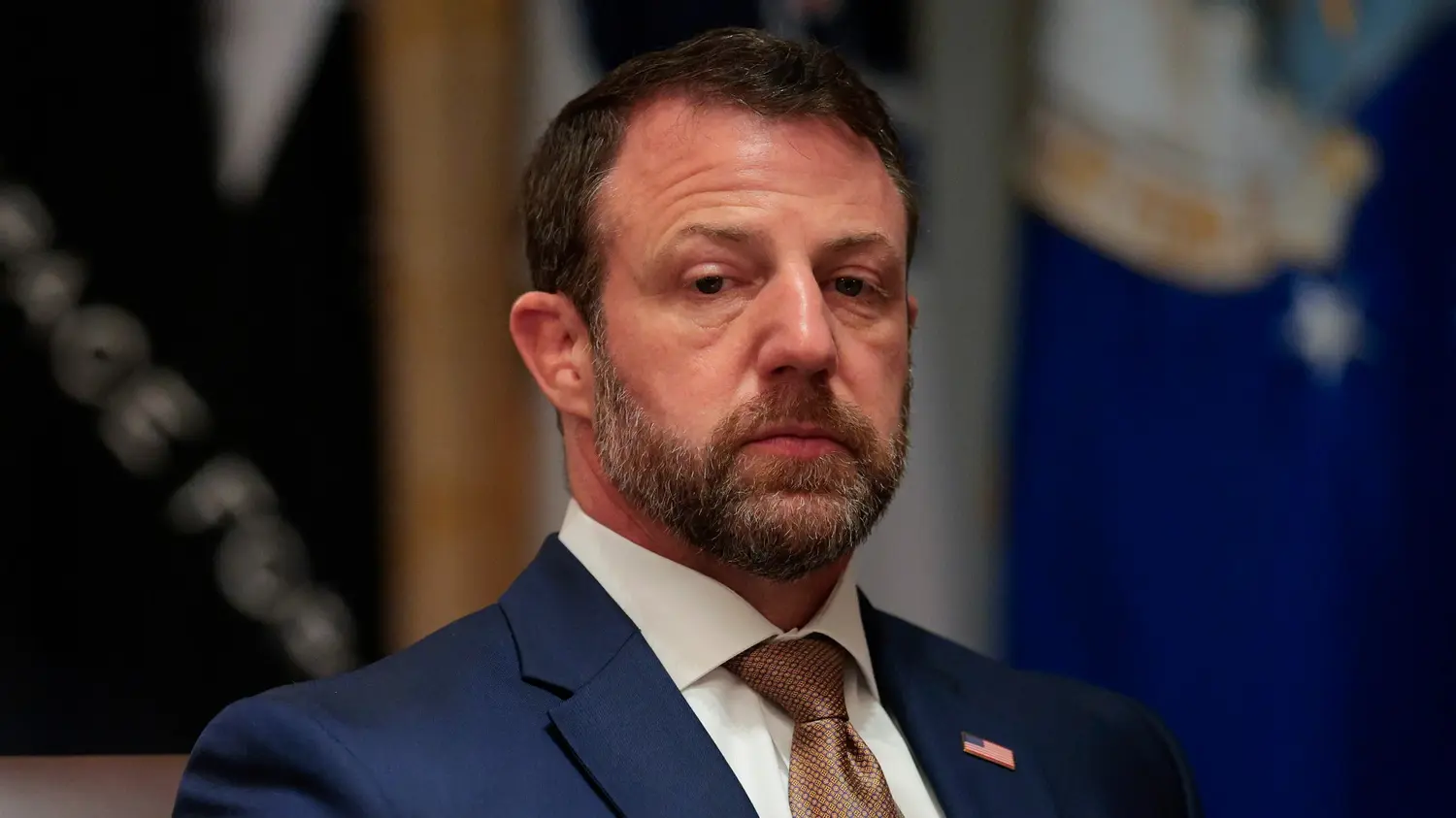
The Department of Homeland Security is weighing a plan to withdraw customs officers from major international airports located in so-called sanctuary cities — municipalities that have declined to coordinate with the Trump administration's federal immigration enforcement efforts — according to remarks made Tuesday by DHS Secretary Markwayne Mullin.
The proposal, if enacted, would effectively suspend international traveler processing at some of the nation's busiest airports, carrying broad consequences for commerce, tourism, and the country's ability to host large-scale international events. Mullin raised the idea during a media availability in North Carolina, describing it as one of several options the department is actively considering while Congress remains at an impasse over DHS funding.
Mullin was careful to frame the proposal as preliminary, noting that no formal decision had been reached. He said he anticipated raising the concept directly with President Donald Trump before any action moved forward. The remarks came as relations between the federal government and Democratic-led cities over immigration enforcement have reached a new level of tension.
The timing of the proposal drew immediate attention given that the FIFA World Cup is scheduled to begin in early June. The tournament is expected to bring hundreds of thousands of international visitors to host cities across the United States — several of which are on the Justice Department's sanctuary jurisdiction list.
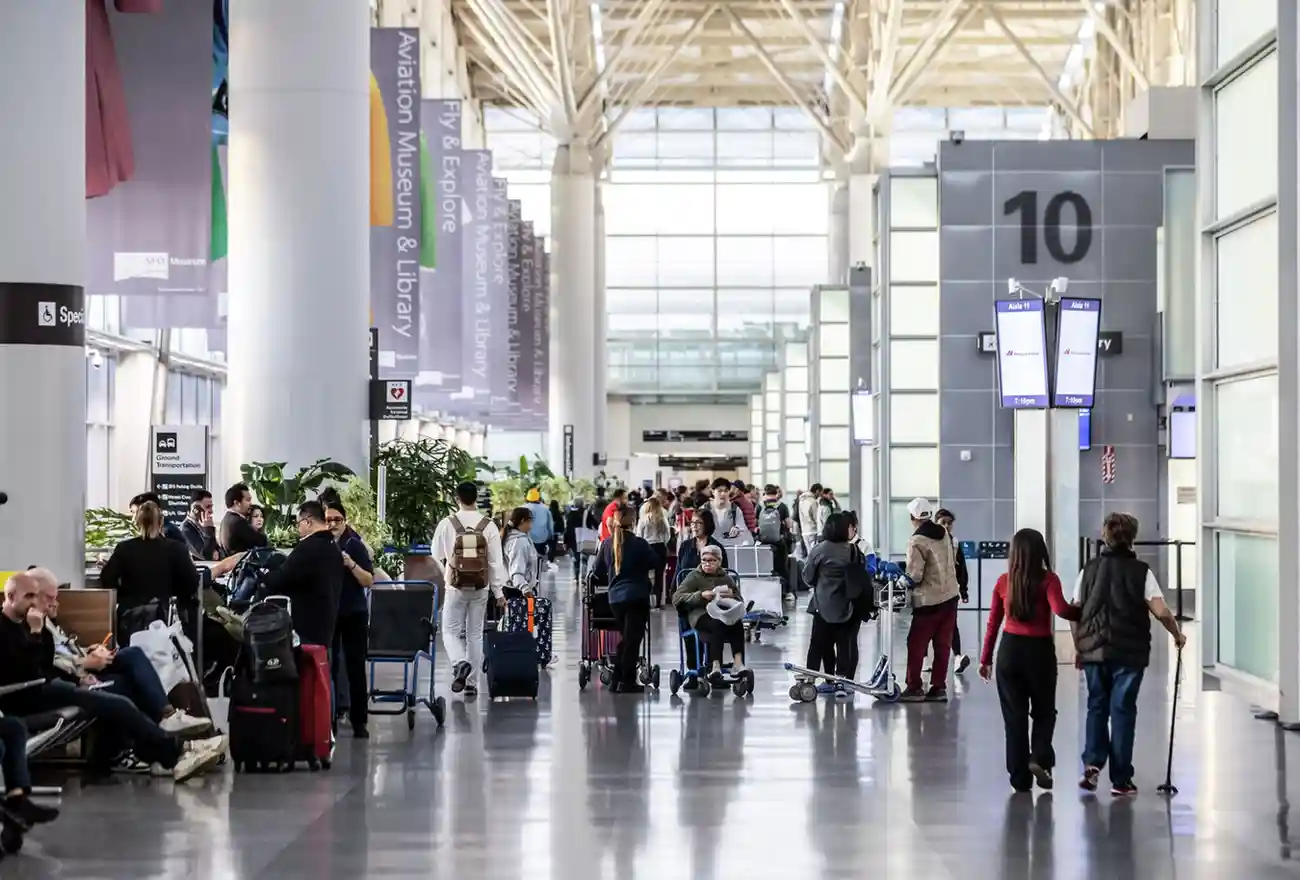
Tournament organizers and city officials in the affected markets have not yet publicly responded to Mullin's remarks. The practical question of whether the federal government could withdraw airport customs services without violating its own legal obligations to facilitate lawful international entry has not been addressed by the administration in its public statements.
What's at Stake Beyond Airport Operations
The administration's broader immigration enforcement push has placed CBP at the center of ongoing disputes with Democratic-governed states and cities. Officers stationed at international airports carry a dual function — processing arriving travelers and cargo while also carrying out immigration enforcement responsibilities that sanctuary policies are designed to limit. The overlap between those two roles is precisely what makes the airport customs question legally and politically complicated.
If the federal government moved forward with a withdrawal, the effects would extend well beyond the cities directly targeted. International airlines operating routes into affected airports would face immediate schedule disruptions. Air freight operators that rely on same-day customs clearance for perishable goods and time-sensitive cargo would be similarly affected. Trade partners whose goods move through those facilities would face delays with no clear resolution timeline.
No Formal Action Taken as of Tuesday Evening
No executive order, formal agency directive, or public regulatory filing had been issued by DHS as of Tuesday evening. The department did not provide reporters with a timeline for when a decision might be reached, who within the administration would need to approve the move, or whether the proposal would require legal review before being implemented.
Mullin's comments did not specify which airports would be affected first, whether the withdrawal would be gradual or immediate, or how the administration would handle international travelers who arrive at a facility that has lost its customs processing capacity mid-operation. Those logistical questions are likely to become central to any legal challenge that follows if the administration moves ahead.
What to Watch as the Administration Considers Next Steps
The DHS proposal sits at the intersection of several unresolved legal and political fights: the administration's immigration enforcement agenda, the congressional deadlock over homeland security funding, the legal status of sanctuary jurisdiction policies under federal law, and the government's obligations to facilitate lawful international travel and commerce. How the administration proceeds — or whether it proceeds at all — will depend in part on how those overlapping pressures develop in the coming weeks.
Legal experts and immigration policy observers are likely to scrutinize whether a customs withdrawal would survive judicial review, given the federal government's own statutory responsibilities at ports of entry. For now, Mullin's remarks stand as the clearest signal yet that the administration views airport customs staffing as a tool in its broader enforcement strategy — and is prepared to use it.