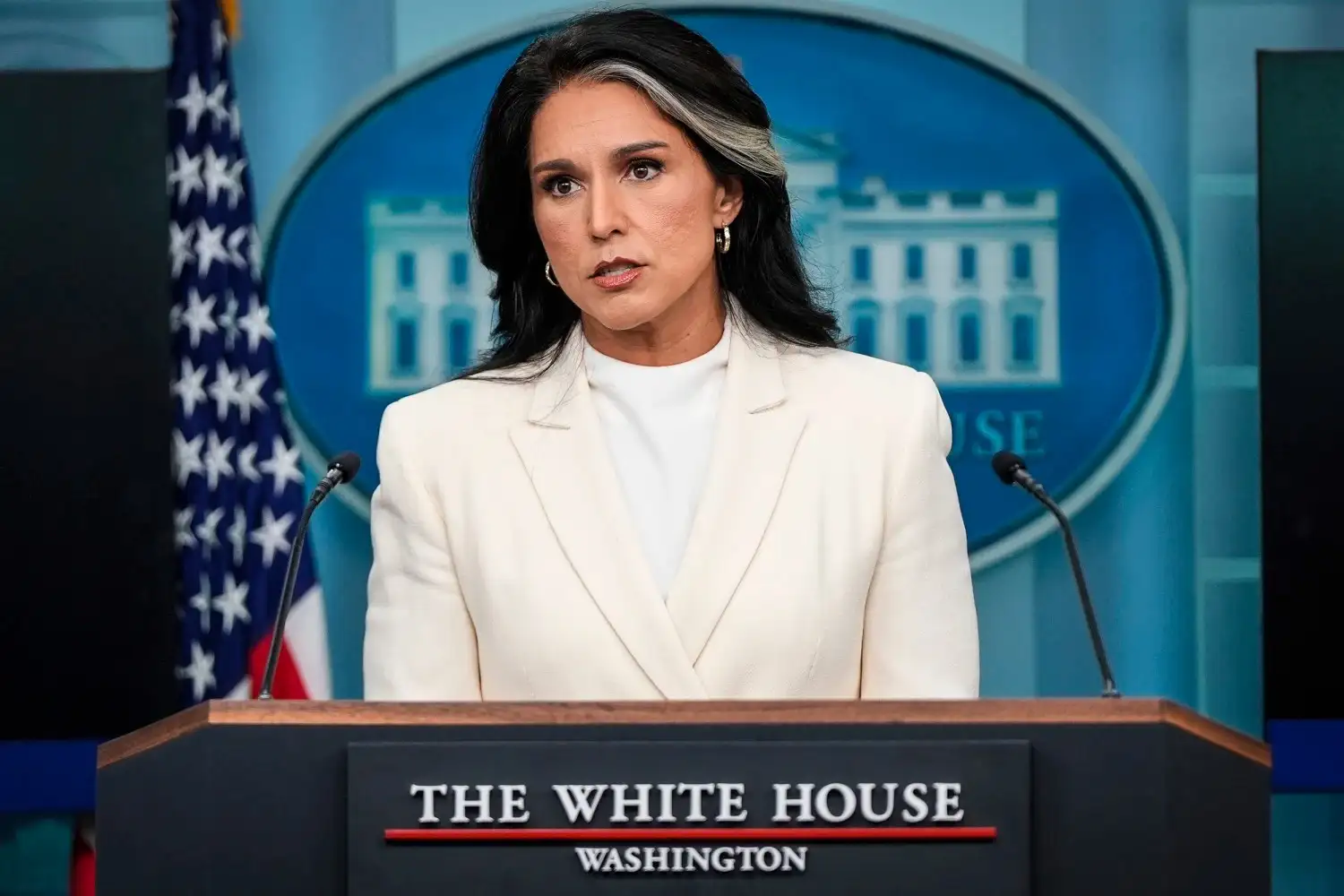

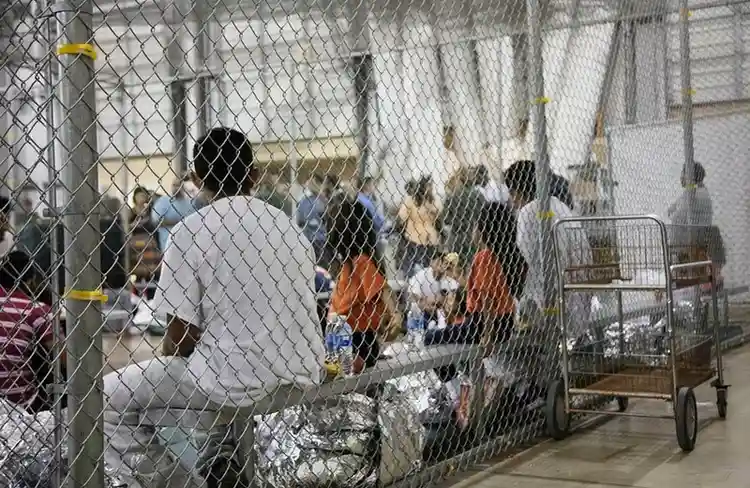
A federal judge has issued another temporary restraining order that stops the Department of Homeland Security from enforcing a policy that keeps members of Congress from visiting ICE detention centers without telling anyone.
U.S. District Judge Jia Cobb granted an emergency request from 12 Democratic lawmakers, led by Rep. Joe Neguse of Colorado, on Monday. This stopped a DHS directive from January 8 that said congressional members had to give at least seven days' notice before they could inspect immigration facilities and check on the conditions of detained people.
President Biden chose Judge Cobb, who ruled in December that a very similar policy from the past broke a long-standing appropriations rider (Section 527) that has been in congressional spending bills since 2020. That provision clearly says that DHS can't use appropriated funds to stop or interfere with lawmakers' visits to oversee things or change the conditions of facilities in ways that keep Congress from seeing the truth.
"Section 527 says that money used to make the policy that the court says keeps members out of covered facilities is properly considered money "used to prevent" entry.
— Judge Jia Cobb of the U.S. District Court
After the December decision, DHS quickly put out a new policy on January 8 that said it was only funded by the One Big Beautiful Bill Act and short-term continuing resolutions, not annual appropriations. The department said that the new version followed the court's order.
Judge Cobb disagreed with this argument, pointing to evidence, such as a statement from David Easterwood, a former DHS budget official, that the policy was likely created and enforced with funds that were restricted by Section 527.
The judge said that DHS didn't show that the policy was completely separate from funding sources that were not allowed. She said that keeping track of where the money was going made it almost impossible to separate costs only to the special appropriations bill.
Important Points from the Ruling
The court said that DHS did not do a good enough job of showing that only unrestricted funds were used to make and carry out the policy on January 8. The judge pointed out inconsistencies in what the government said and said that the policy was still being enforced.
Rep. Joe Neguse said the decision was good because it protects the power of Congress and makes sure that immigration detention centers are open and honest, even though people are worried about how the law is being enforced.
History and Recent Events
The argument got more serious after DHS allegedly turned away three lawmakers from an ICE facility in Minneapolis on January 9. This was just two days after an ICE officer shot and killed Renee Good in the city and weeks before a second deadly shooting involving CBP agents.
Key Points
The Supreme Court has said many times that Congress has a constitutionally protected role in oversight.
President Trump signed the appropriations rider into law in 2019, and it has been law ever since.
People think that the current policy is an attempt to stop surprise inspections of detention conditions.
✓ A temporary restraining order was issued on Monday
✓ The policy was found to likely violate the appropriations rider
✓ DHS did not prove that the funding was separate
✓ The ruling protects surprise visits by Congress
The court has stopped DHS from limiting lawmakers' access to immigration facilities for the second time.
Why This Is Important
One of the most important things Congress does is oversee how federal agencies enforce immigration laws. People are very worried about transparency and accountability because of the repeated attempts to limit unannounced visits.
The decision strengthens lawmakers' right to do immediate inspections on the ground, especially now that ICE operations are getting more public and legal scrutiny.
The court's decision today to stop ICE from illegally blocking congressional oversight is a win for the American people.— Rep. Joe Neguse
The temporary order is still in effect while the case is going on. Legal experts think that DHS might appeal or make another change to its policy. The result will probably affect the balance between Congress's power to investigate and the executive branch's power to enforce the law for years to come.